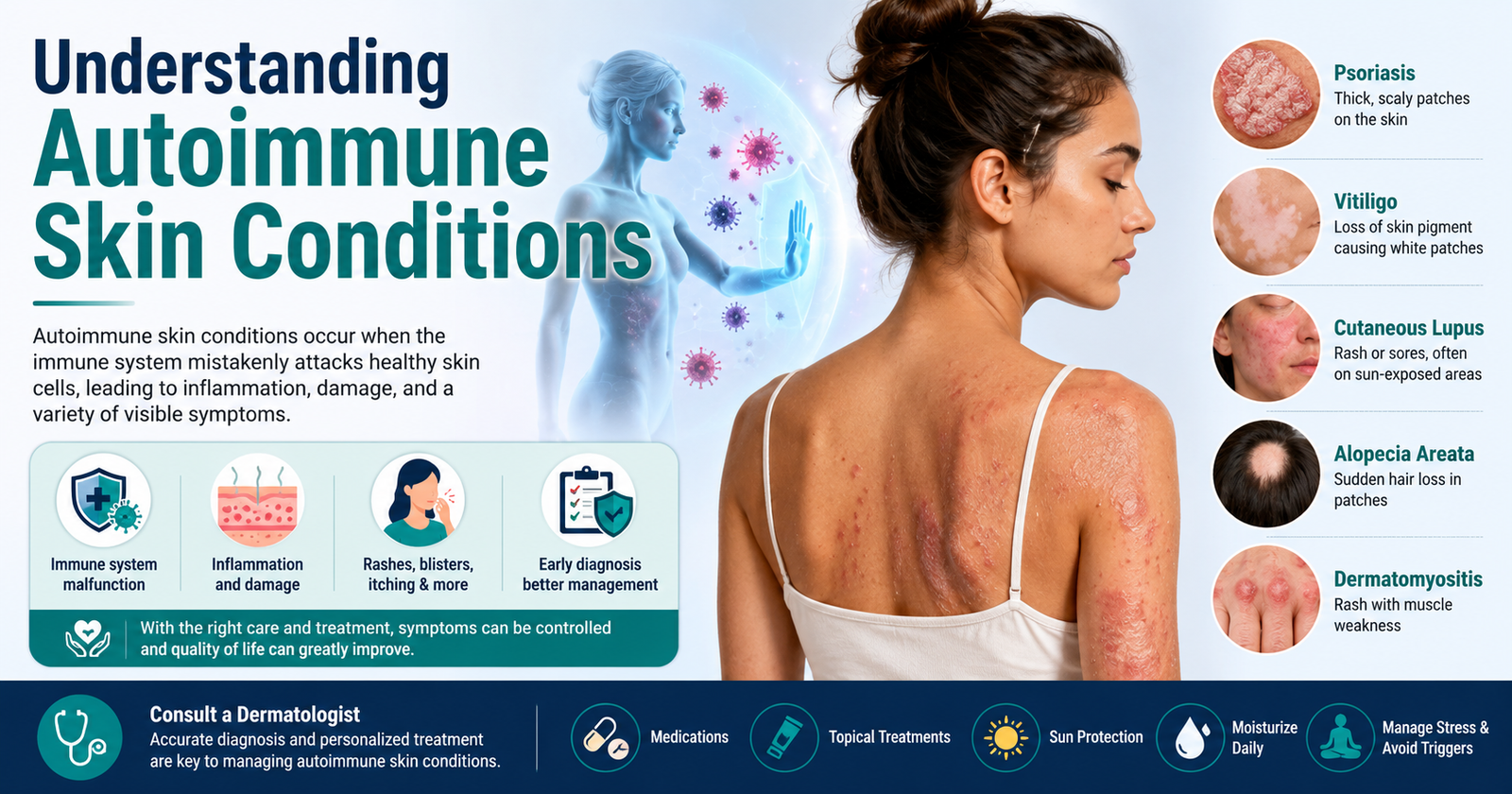
Understanding Autoimmune Skin Conditions
Autoimmune skin conditions develop when the immune system mistakenly attacks healthy skin cells instead of protecting the body fro…
A skin disease is a condition that affects the skin’s appearance, texture, or function. It can cause symptoms such as redness, itching, rashes, swelling, dryness, or discoloration. Skin diseases may result from infections, allergies, genetics, immune system disorders, or environmental factors. Common examples include acne, eczema, psoriasis, and fungal infections. Treatment depends on the cause and may include creams, medications, and proper skincare. Your All-in-One Health Intelligence Hub fit me cloud
Professional health calculators, expert fitness advice, and personalized nutrition tracking. All built for high performance and clinical accuracy.
Autoimmune skin conditions develop when the immune system mistakenly attacks healthy skin cells instead of protecting the body fro…
Baby acne is a common and harmless skin condition that many newborns experience. It usually appears as small red or white bumps on…
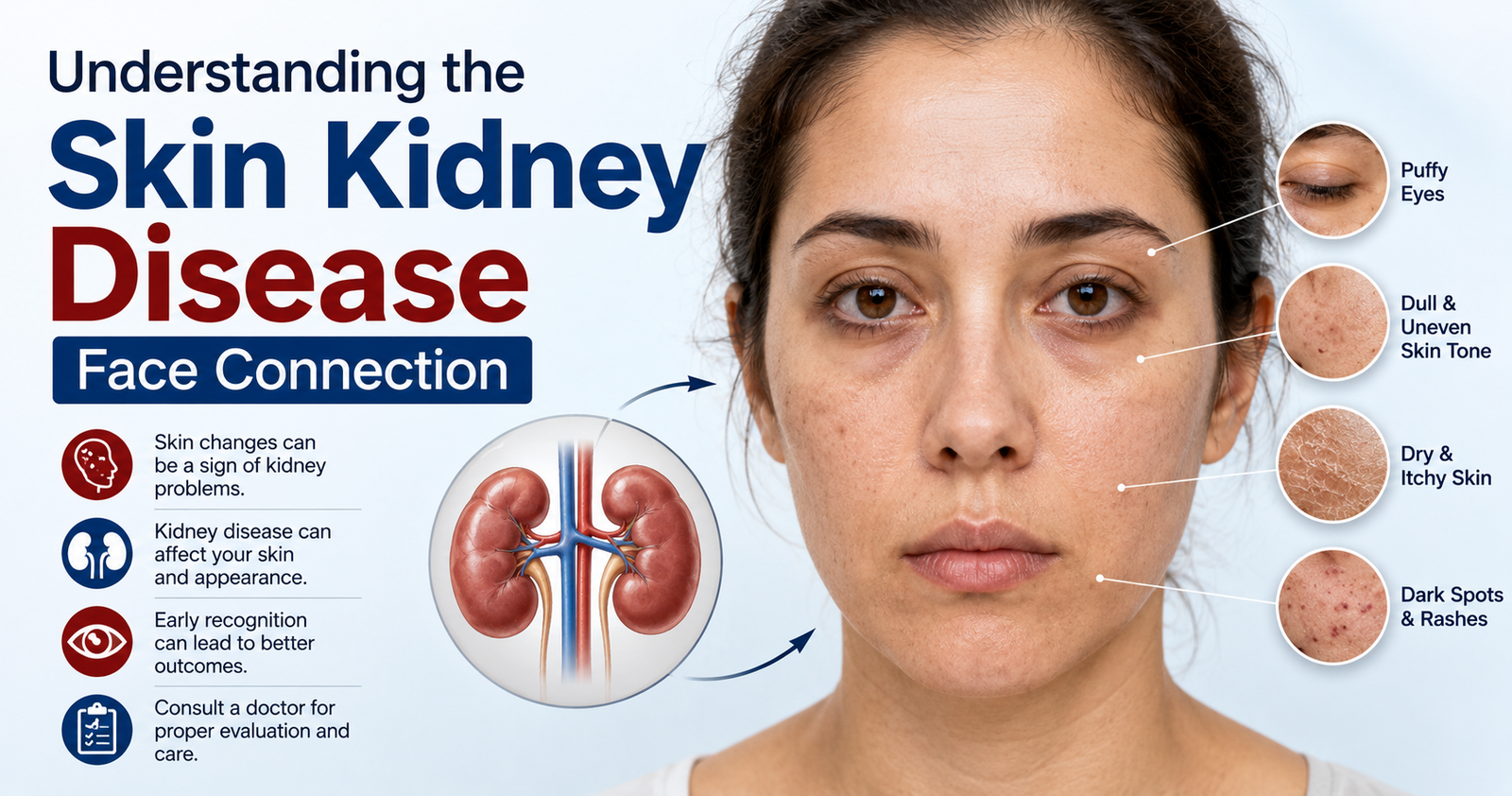
The face can often reveal important warning signs of underlying kidney disease. When the kidneys are not functioning properly, the…
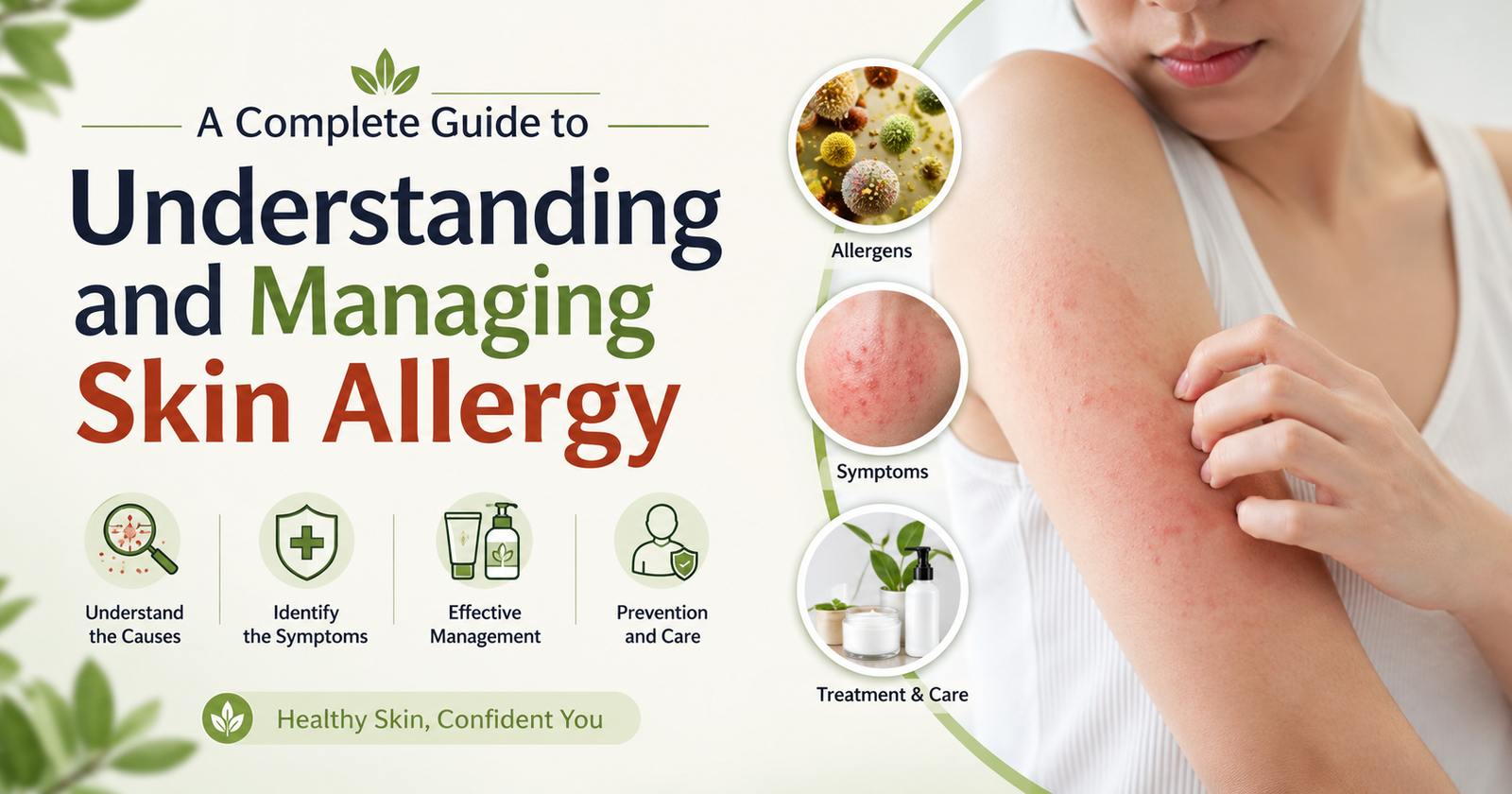
A Skin allergy happens when the body’s immune system reacts to a substance that is usually harmless. These substances, called al…
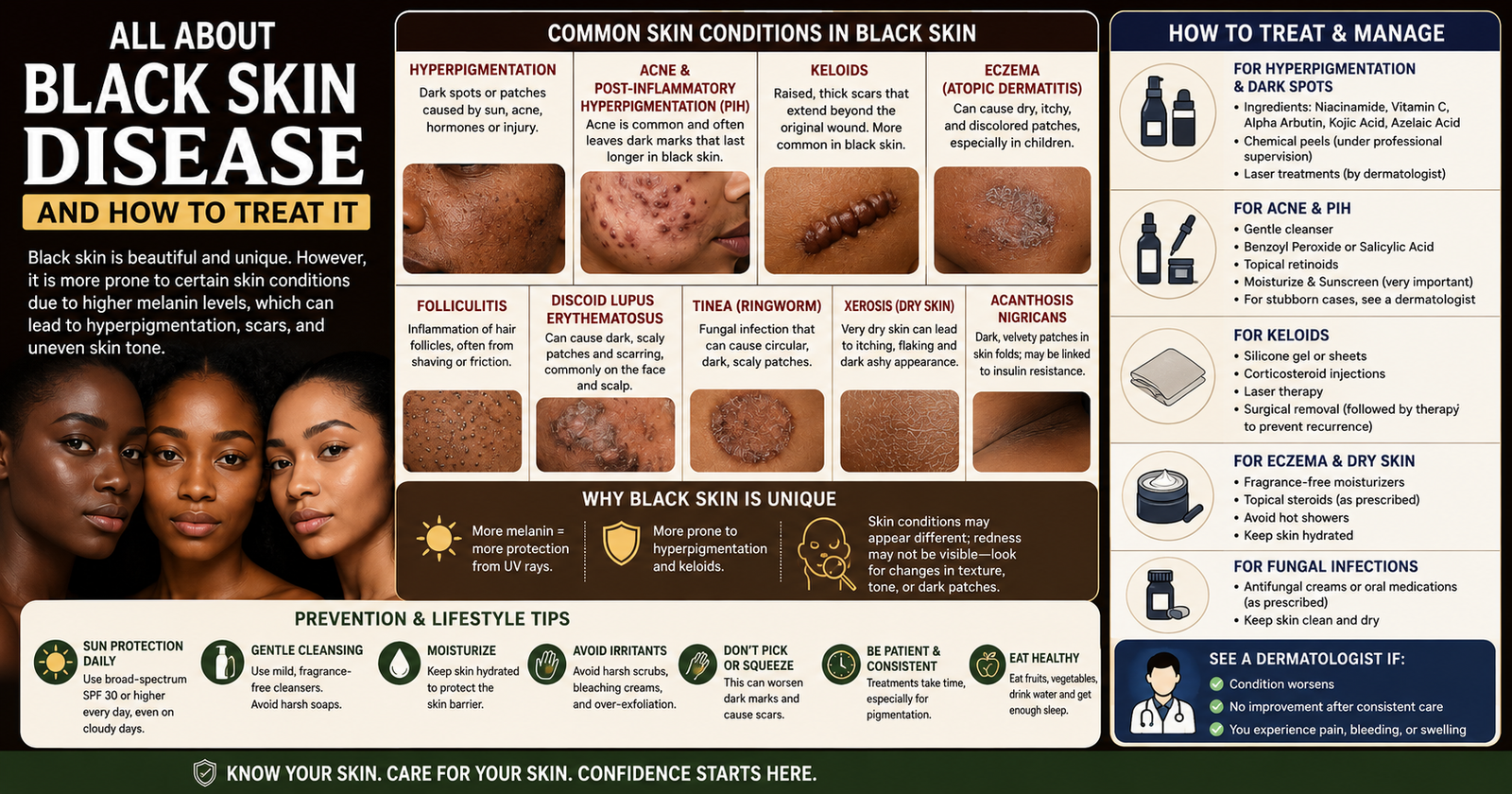
What Is black skin disease?black skin disease, medically known as Alopecia X or hair cycle arrest, is a skin and coat condition co…
Michael Jackson’s vitiligo is one of the most widely discussed medical aspects of his life, yet also one of the most misundersto…
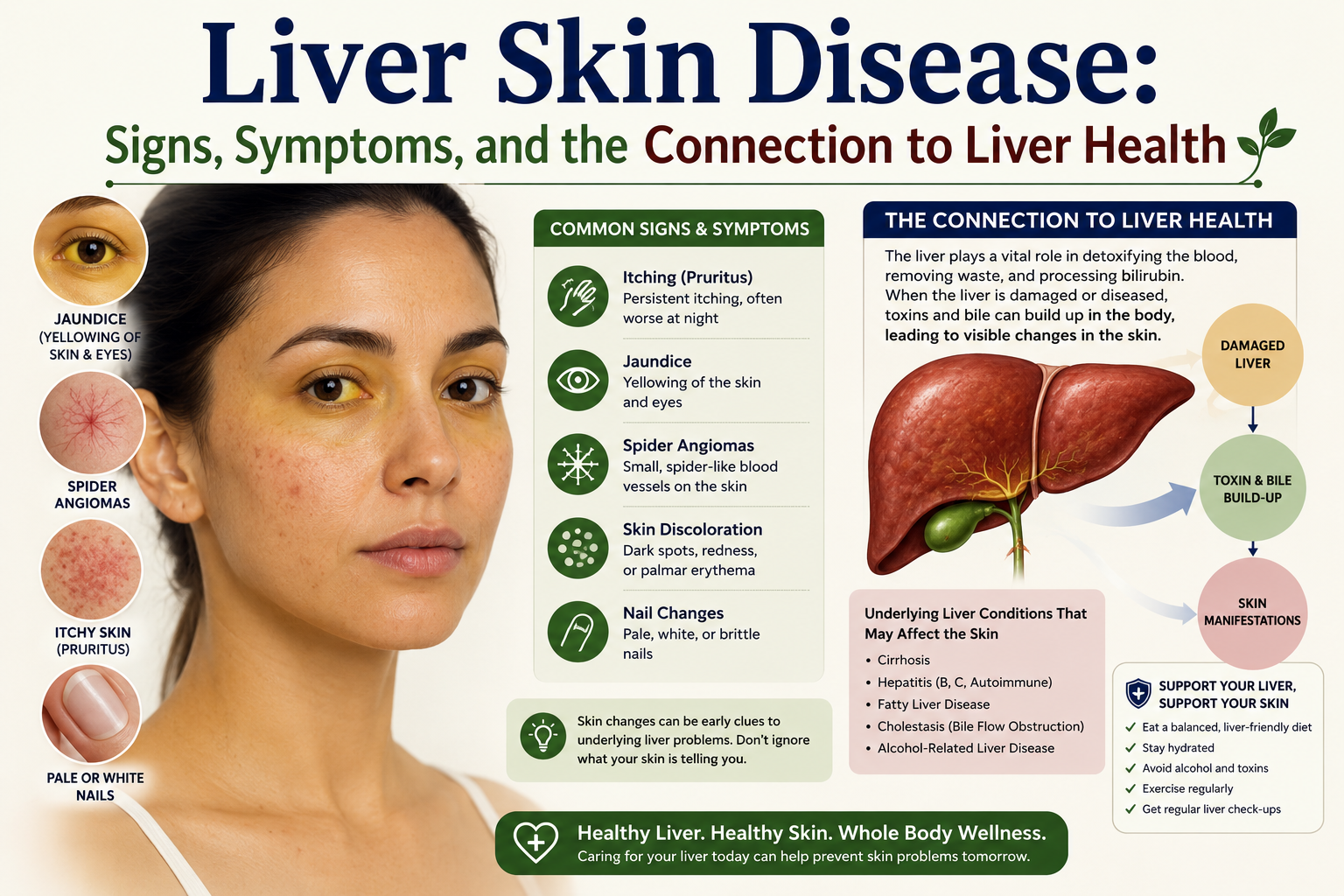
Your skin can reveal important clues about your internal health, including the condition of your liver. When the liver becomes dam…
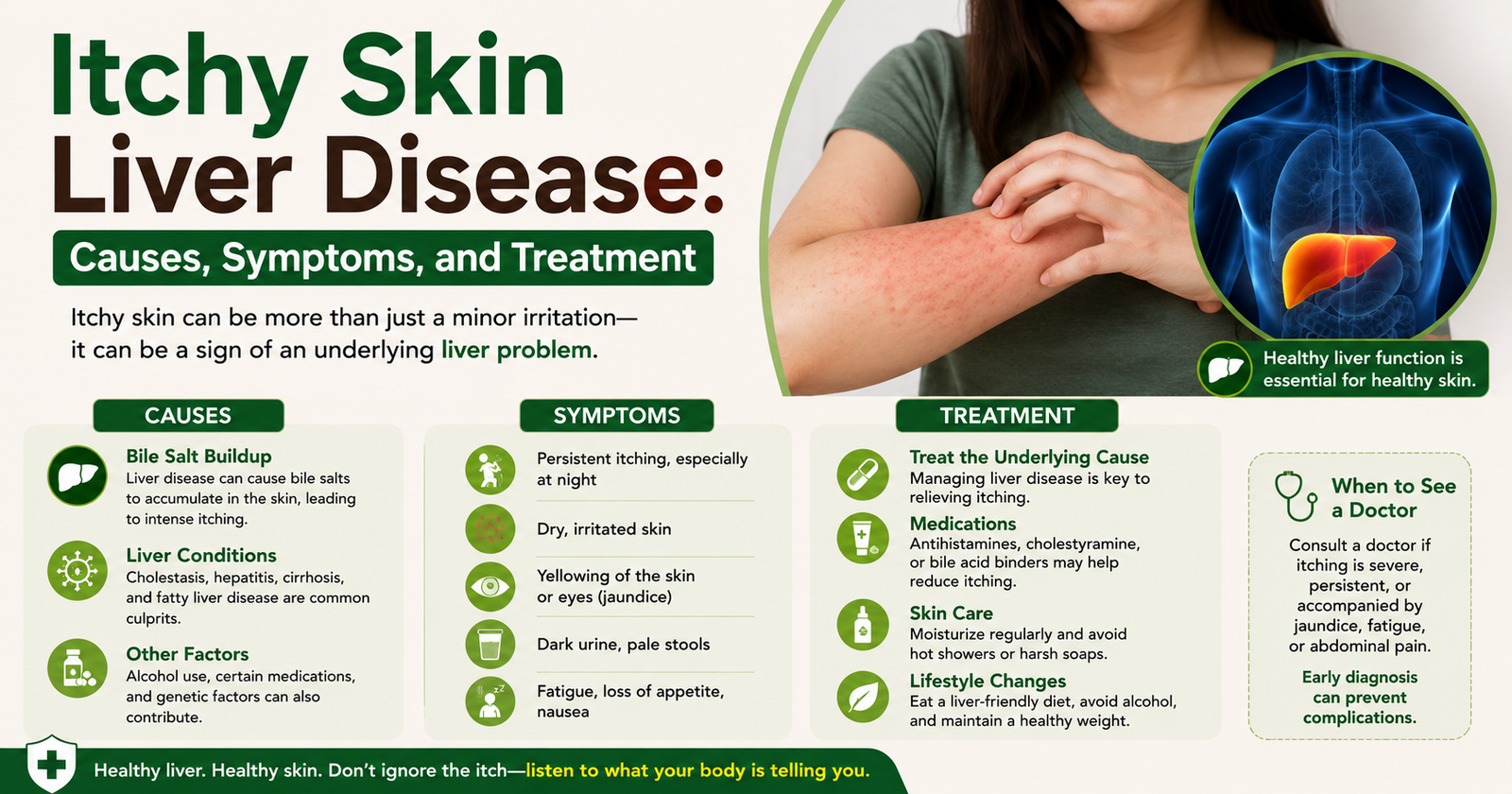
An intense, persistent itch that doesn’t improve with regular lotions or allergy medications may be more than a simple skin prob…
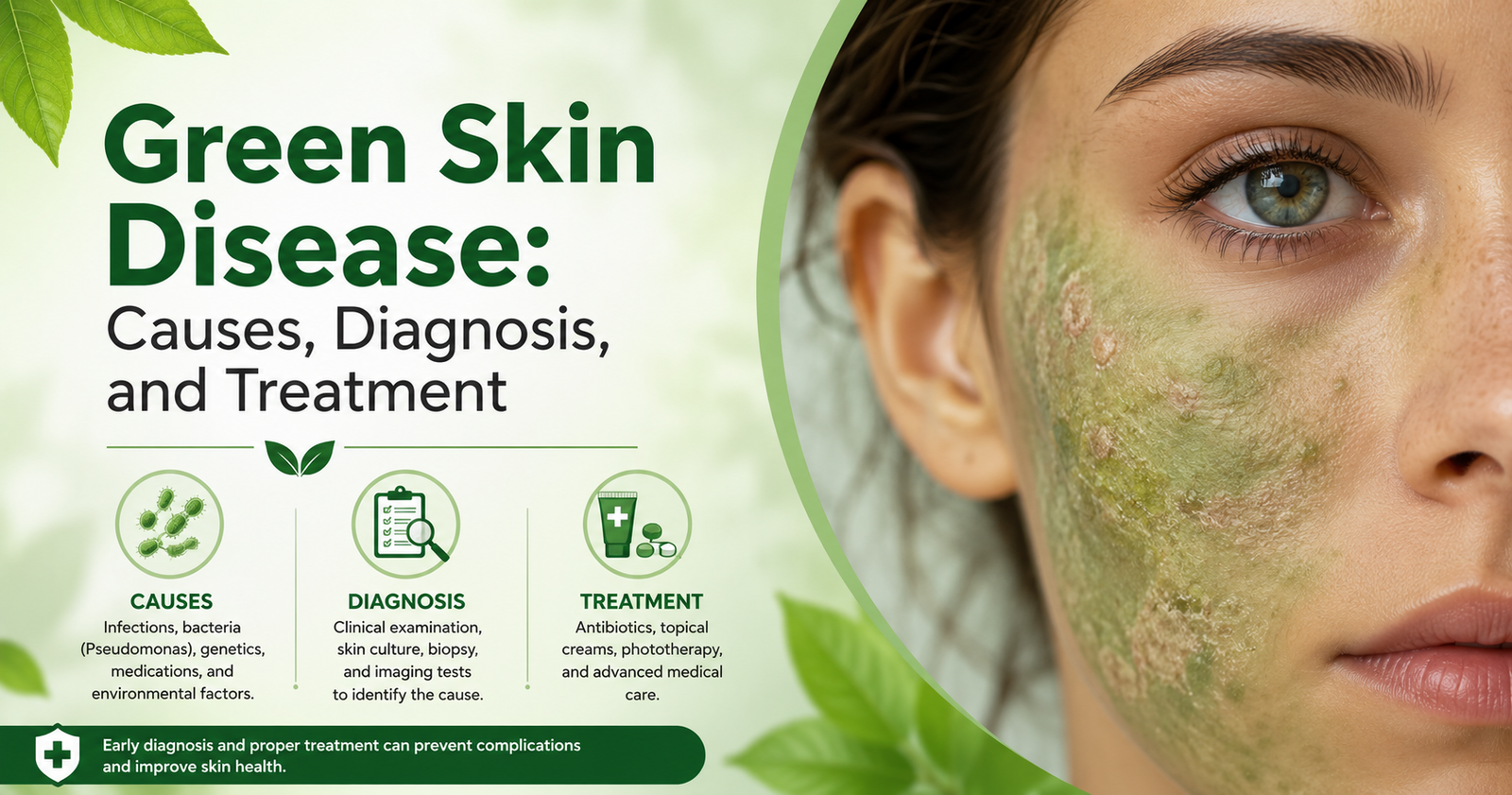
A greenish tint on the skin can be surprising—and even alarming. Often referred to as “green skin disease,” this condition i…