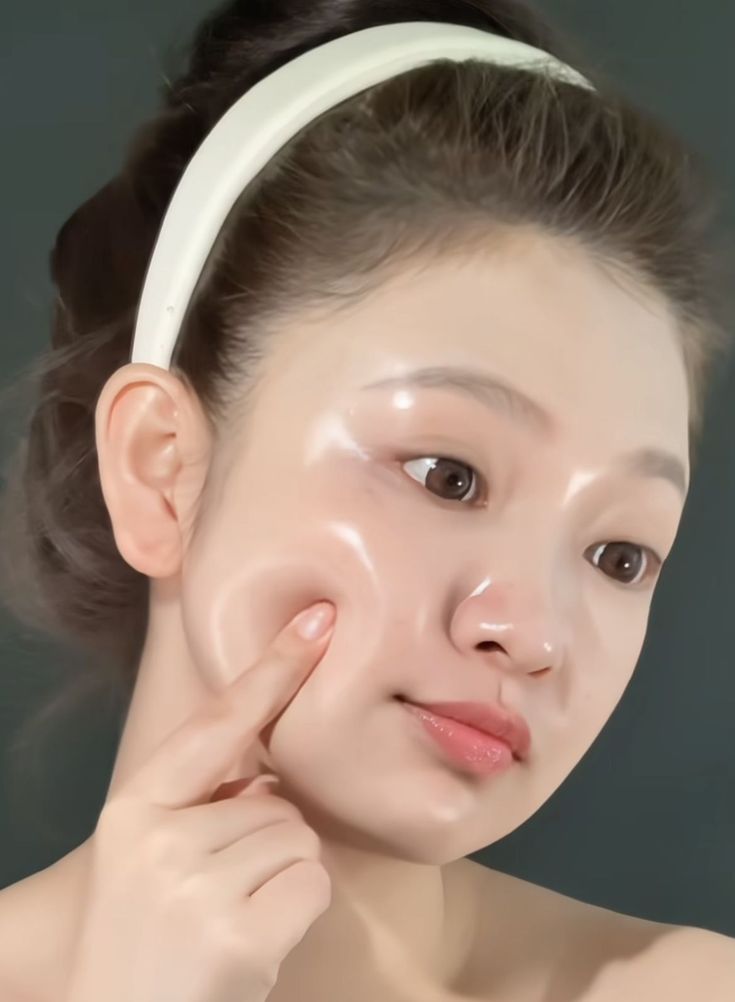
Korean skincare routine cosmetics offer personalized skincare programs for different skin types, emphasizing double cleansing (oil/water-based), hydrating layers (toner, essence), targeted treatments (serum, ampoule), and sun protection. Options include lightweight products for oily skin, nourishing creams for dry skin, and balancing formulas for combination skin, all aiming for a “crystal clear” complexion (clear, radiant, and hydrated).
4-Step Foundation Korean Skincare Routine
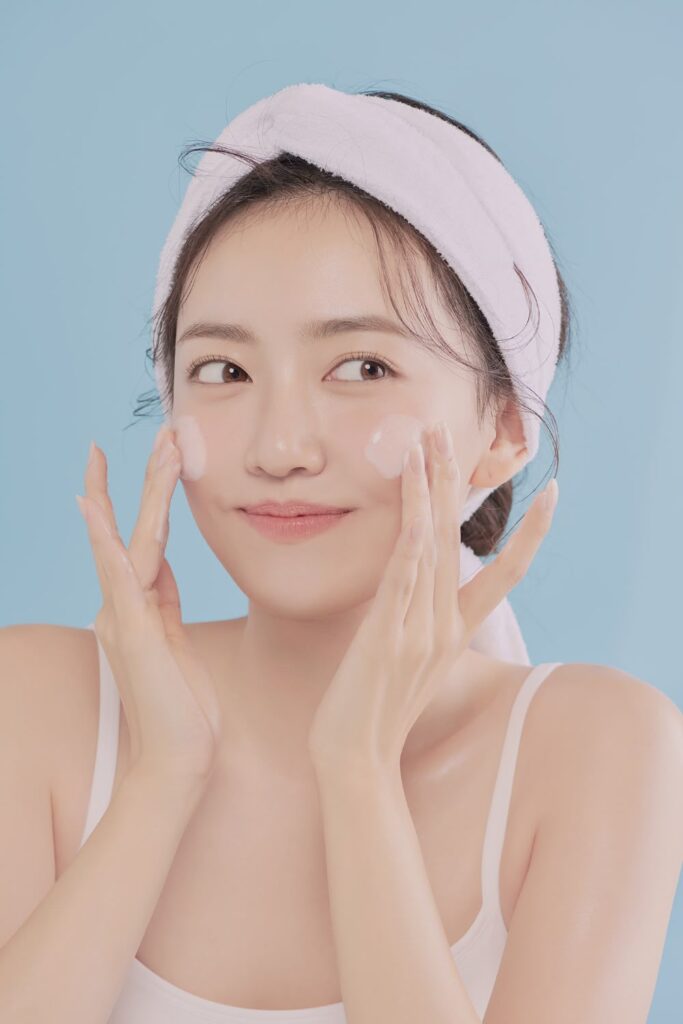
Main Goal: How to Choose the Right Product for Your Skin Type
- Double Cleansing: Gently remove all impurities: first oil-based makeup or sunscreen, then water-based sweat or dirt. For dry or sensitive skin: Choose a nourishing balm or oil cleanser, followed by a creamy or milk cleanser.
- For oily or combination skin: Use a lightweight oil cleanser, followed by a low-pH, water-based gel or foam cleanser.
- Toner: Rebalances skin’s pH after cleansing and provides an instant layer of hydration. For all skin types: Choose an alcohol-free hydrating toner (often called “skin” in Korean beauty). Look for ingredients like hyaluronic acid, glycerin, or green tea.
- Moisturizer: Seals in moisture and strengthens the skin’s natural protective barrier. For dry skin: A rich cream with ceramides, shea butter, or squalane. For oily/combination skin: A lightweight gel cream or oil-free lotion. For sensitive skin: A soothing cream with calming ingredients like Centella Asiatica (Cica) or Madecassoside.
- Sunscreen (AM): The most important step for healthy skin and anti-aging. Protects against UV rays. For all skin types: A broad-spectrum formula with SPF 30 or higher is essential. Look for products with a lightweight, non-greasy texture that you’ll enjoy applying daily.
This simple 4-step routine is a necessary foundation for all skin types. It focuses on gentle cleansing, balanced hydration, and daily protection. You can, and should, further personalize it by adding targeted treatments (like serums or exfoliants) to your specific needs.
Key Steps & Ingredients by Skin Type
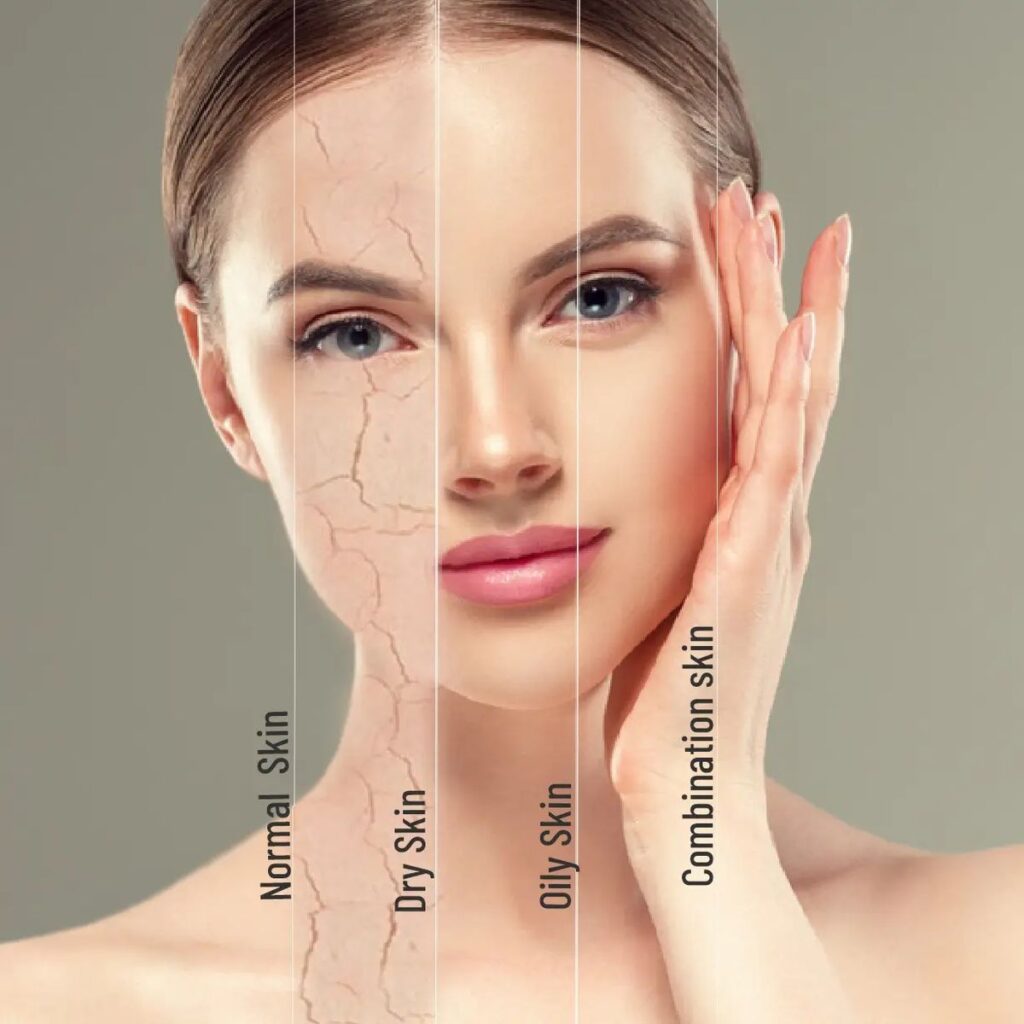
Once you’ve created your foundation, you can target specific skin concerns.
For dry skin: Focus on deep nourishment. After toner, apply a hydrating essence (snail mucus, beta-glucan) and a nourishing serum (with vitamin C or peptides). At night, use a thicker cream or an overnight mask to lock in moisture.
For oily and combination skin: Focus on balanced hydration and oil control. Apply a thin layer. After toner, use a water-based hydrating essence. Look for serums containing niacinamide (to control oil and tighten pores) and salicylic acid (BHA) (to exfoliate pores). Exfoliate once or twice a week with a gentle AHA/BHA exfoliant.
For sensitive skin: Focus on strengthening the skin barrier and soothing the skin. Look for products with gentle, soothing ingredients. Key ingredients include centella asiatica (Saccharomyces), artemisia, and heart leaf extract. Avoid products containing alcohol, fragrances, and strong active ingredients, and always test new products on a small patch of skin.
Building Your Advanced Korean Skincare Routine
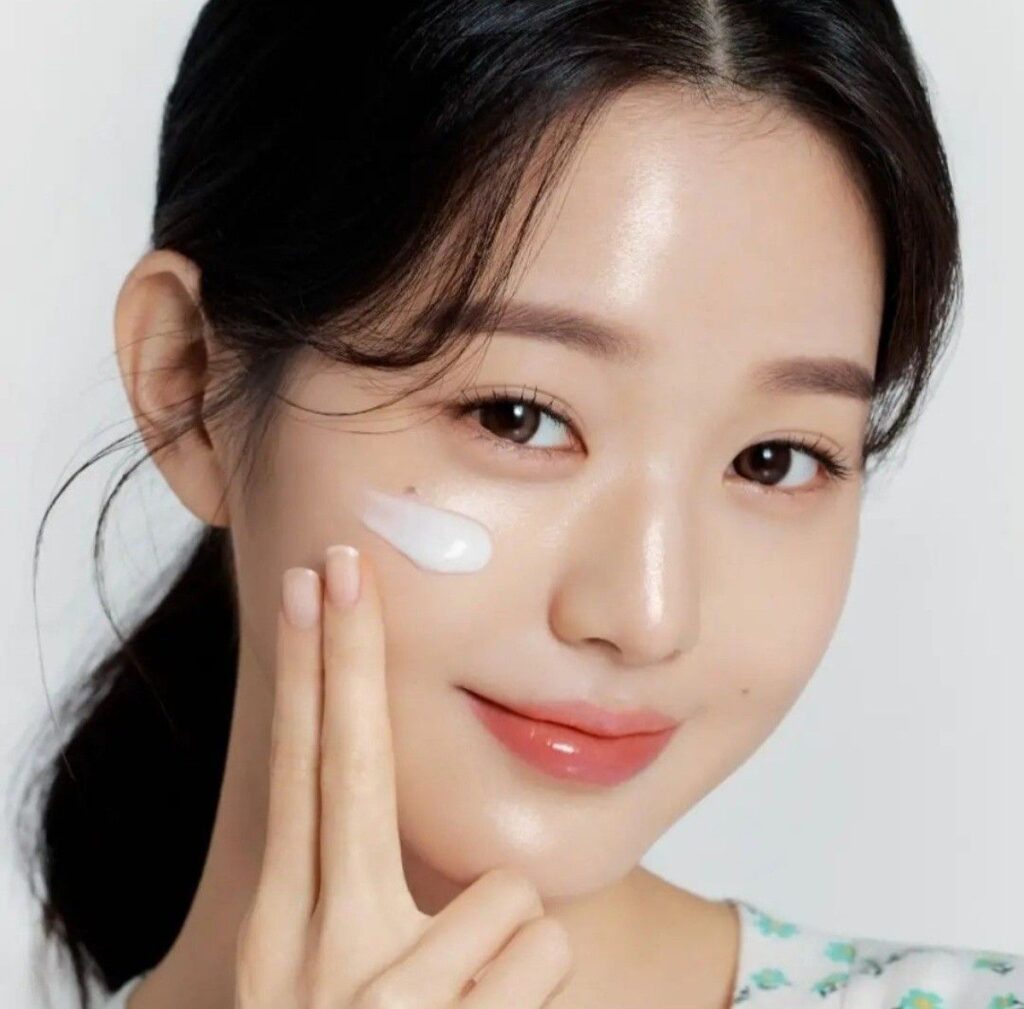
As you get used to this routine, you can add these additional steps for targeted care:
Exfoliation (1-2 times per week): Use AHAs (glycolic, lactic acid) to combat surface dryness or BHAs (salicylic acid) for oily, acne-prone skin.
Masks (1-3 times per week): These provide intense hydration or targeted treatment.
Eye cream: Gently apply a targeted cream around your eyes to treat dryness and puffiness.
Treatment products (serums/ampoules): Use these after an essence with concentrated ingredients like vitamin C or retinol to address specific concerns such as hyperpigmentation, wrinkles, or acne.
Korean Skincare Routine Getting Started & Key Principles
Start with the basics: Begin with a 4-step makeup routine (cleanser, toner, moisturizer, and sunscreen). Introduce new products one at a time, taking 1-2 weeks between each to see how your skin reacts.
Application order: Apply from the thinnest/wateriest products to the thickest.
Be patient: Korean skincare is focused on long-term skin health. It typically takes 4 to 6 weeks to see consistent results.
The best routine is one that adapts to your skin’s daily needs. Pay attention to your skin: some days it may need more hydration, while others may require a break from active ingredients.