
Incorporating yogurt into your diet can be a powerful strategy for weight management. This versatile food works in several key ways to help you feel satisfied, control calories, and support a healthy metabolism.
How Yogurt Promotes Fullness and Weight Loss:
- High Protein Content: Yogurt, especially Greek varieties, is rich in protein. Protein increases satiety hormones (like PYY and GLP-1) and decreases the hunger hormone ghrelin, helping you feel fuller for longer and naturally reducing calorie intake throughout the day.
- Probiotics for Gut Health: Many yogurt types contain live probiotics. A healthy gut microbiome, supported by these probiotics, is linked to better metabolism and may help regulate body weight. Some studies suggest specific probiotic strains can assist in reducing fat absorption and appetite.
- Nutrient Density with Controlled Calories: A serving of plain yogurt provides essential nutrients—like calcium, potassium, and B vitamins—for relatively few calories. This makes it a nutrient-packed choice that helps you meet your nutritional needs while in a calorie deficit, which is essential for weight loss.
- Versatile and Substitutable: Yogurt can replace higher-calorie ingredients like mayonnaise, sour cream, or heavy cream in recipes, allowing you to enjoy creamy textures with less fat and fewer calories.
Choosing the Best Yogurt for Weight Loss:
To maximize benefits, opt for:
- Plain, Unsweetened Yogurt: This avoids added sugars, which can counteract weight loss efforts.
- Greek or Icelandic (Skyr) Yogurt: These are typically higher in protein per serving.
- Varieties with Live & Active Cultures: Check the label for this seal to ensure you get the probiotic benefits.
By choosing the right type and incorporating it into balanced meals, yogurt can be a delicious and effective tool to help you feel full, fit, and on track with your weight loss goals.
Understanding the Types, Benefits, and Best Ways to Eat Yogurt
Yogurt is a nutritional cornerstone in diets worldwide, but navigating its varieties and maximizing its benefits can be confusing. This guide breaks down the essential types of yogurt, their proven health advantages, and practical strategies for incorporating them into your daily meals.
1. The Different Types of Yogurt
The processing method defines the texture, taste, and nutritional profile of yogurt.
| Type of Yogurt | How It’s Made / Key Trait | Nutritional Profile & Best For |
|---|---|---|
| Regular Yogurt | Milk fermented with live cultures. | Standard protein and calcium. A versatile, all-purpose option. |
| Greek Yogurt | Strained to remove whey, creating a thicker texture. | Higher in protein (often double), lower in sugar/carbs. Ideal for satiety and muscle repair. |
| Icelandic Yogurt (Skyr) | Strained even more than Greek yogurt. | Highest in protein, very thick and creamy. Excellent for a protein boost. |
| Australian Yogurt | Whipped for an ultra-creamy, custard-like texture. | Similar nutrition to regular yogurt. Prized for its rich texture and mild taste. |
| Kefir | A drinkable fermented milk product with diverse cultures. | Contains a wider variety of probiotics. Good for gut health and digestion. |
| Dairy-Free Yogurt | Made from almond, coconut, soy, or oat milk. | Varies widely; check labels for protein/calcium fortification and sugar content. Essential for vegans or lactose-intolerant. |
2. The Core Benefits of Eating Yogurt
Consuming yogurt regularly is linked to several science-backed health benefits:
- Probiotics for Gut Health: The live active cultures in yogurt help balance gut bacteria, aiding digestion and supporting the immune system.
- High-Quality Protein: Especially in Greek and Icelandic styles, the protein in yogurt promotes muscle repair, increases satiety (helps you feel full), and can aid in weight management.
- Essential Nutrients: Yogurt is an excellent source of calcium and vitamin D (if fortified) for bone health, potassium for blood pressure regulation, and B vitamins for energy metabolism.
- Versatile and Digestible: The fermentation process makes yogurt easier to digest than milk for many people with lactose sensitivity, and its culinary uses are nearly endless.
3. The Best Ways to Eat Yogurt for Maximum Benefit
To get the most from your yogurt, follow these practical tips:
- Choose Plain Over Flavored: Always opt for plain yogurt. Flavored versions are often loaded with added sugars, which can negate the health benefits. Sweeten it naturally with fresh fruit, a drizzle of honey, or a sprinkle of cinnamon.
- Read the Label: Look for the phrase “contains live and active cultures” to ensure you’re getting probiotics. For dairy-free options, check for added sugars and whether it’s fortified with calcium and vitamin D.
- Incorporate it Smartly:
- Breakfast: Use it as a parfait base, blend into smoothies, or top with granola.
- Lunch/Dinner: Substitute yogurt for mayonnaise or sour cream in dressings, dips (like tzatziki), and sauces.
- Snacks: Enjoy it straight, or freeze it for a creamy, probiotic-rich frozen treat.
- Baking: Use Greek yogurt to add moisture and protein to muffins, pancakes, and cakes.
Important Tip: For gut health benefits, consistency is key. Incorporating a serving of yogurt with live cultures into your daily or near-daily routine is more effective than occasional consumption.
In summary, yogurt is more than a simple snack. By understanding the different types—from protein-packed Greek yogurt to probiotic-rich kefir—you can select the one that best fits your nutritional goals. By choosing plain varieties and using them creatively in meals, you unlock a powerful food that supports gut health, provides essential nutrients, and contributes to overall wellness.
Here is some pictures types of Yogurt

Greek Yogurt
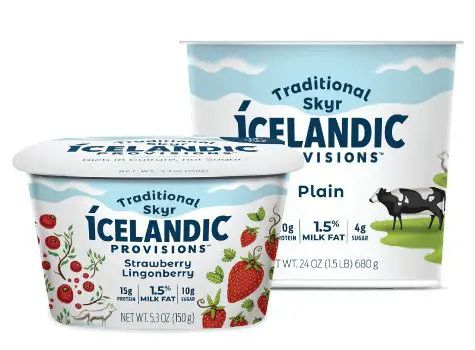
Icelandic Yogurt (Skyr)

Dairy-Free Yogurt