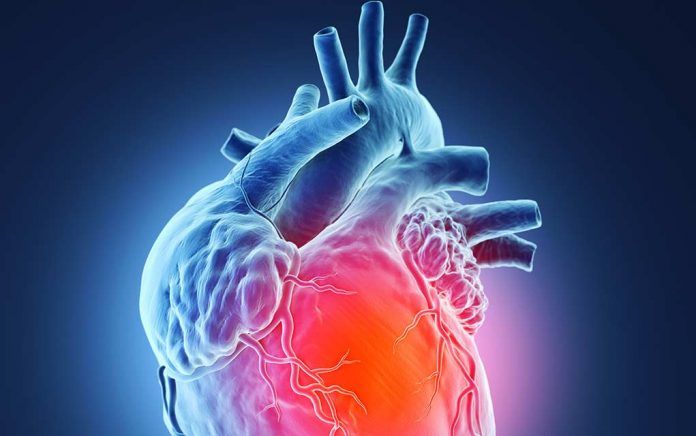
Carcinoid heart disease is a serious and complex complication of carcinoid syndrome, itself a condition caused by rare neuroendocrine tumors known as carcinoid tumors. It is a specific form of acquired heart disease where fibrous plaque-like deposits develop on the inner lining (endocardium) of the heart valves and chambers, primarily on the right side. This unique pathology leads to valve dysfunction—most commonly causing tricuspid regurgitation and pulmonary stenosis—which can progress to right-sided heart failure. Understanding this condition is crucial because its symptoms are often attributed to more common cardiac issues, leading to delays in diagnosis for a disease that requires highly specialized management.
The Underlying Cause: A Chain Reaction from Tumor to Heart
The direct cause of carcinoid heart disease is not the tumor itself metastasizing to the heart, but rather the biochemical substances it secretes. This process begins with a carcinoid tumor, most often originating in the gastrointestinal tract (like the small intestine or appendix) or the lungs
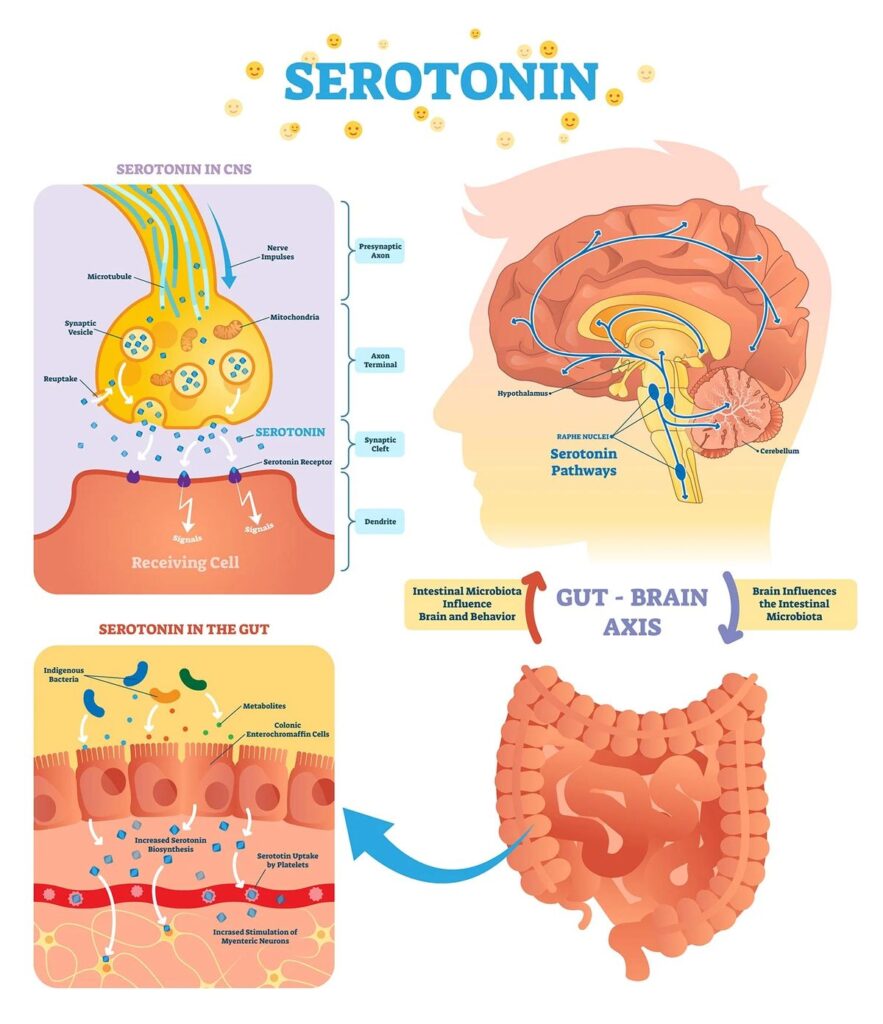
Tumor Secretion: These tumors have the unique ability to produce and release high levels of vasoactive substances, most notably serotonin (5-hydroxytryptamine), along with others like bradykinin, tachykinins, and prostaglandins.
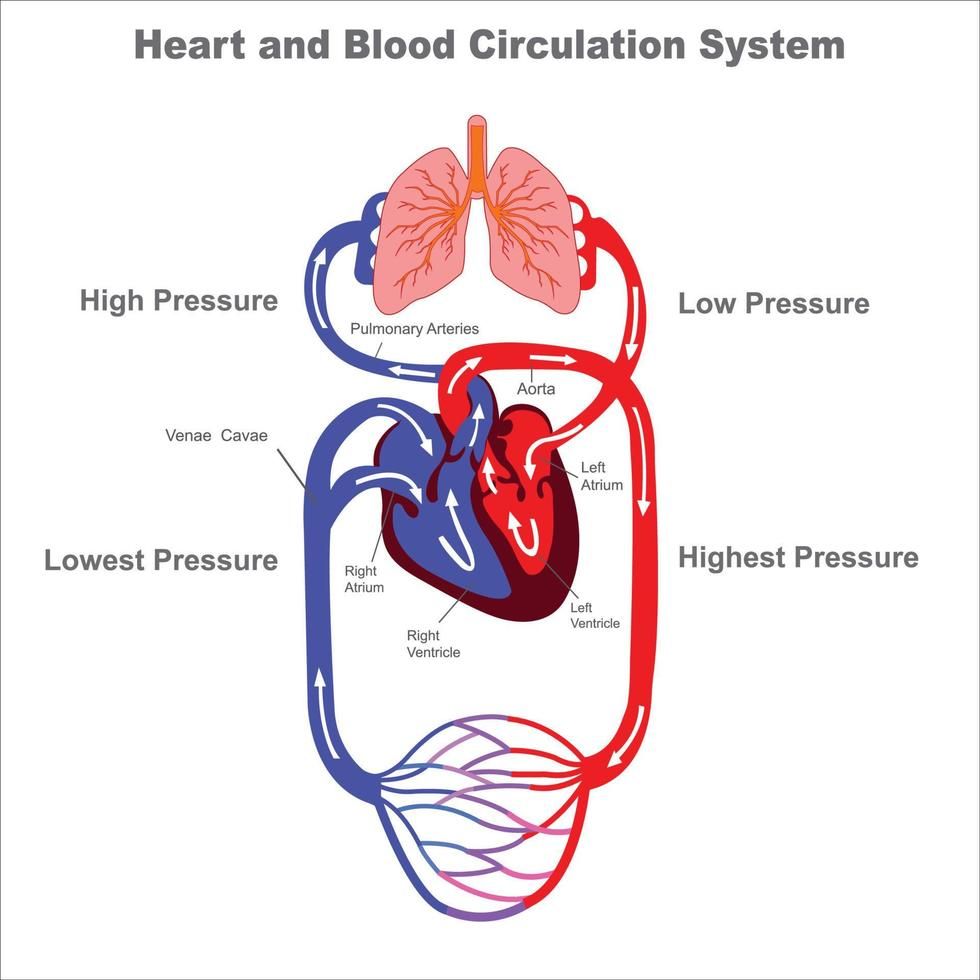
Systemic Circulation: In most cases, these substances are efficiently metabolized and inactivated by the liver during “first-pass” metabolism if the primary tumor drains into the portal venous system. Carcinoid heart disease typically only develops when:
- The primary tumor is in the lungs (avoiding first-pass liver metabolism), or
- The tumor has metastasized to the liver. Liver metastases release their secretions directly into the hepatic veins, which empty into the systemic circulation, bypassing the liver’s detoxifying function.
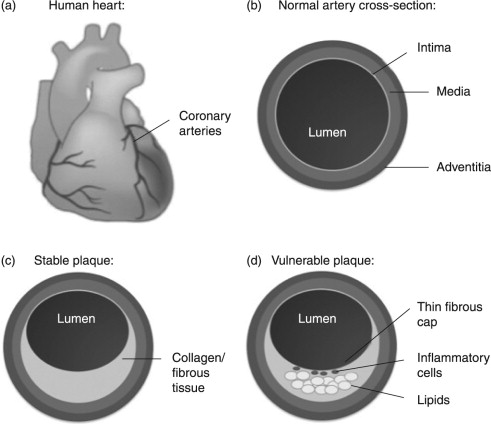
- Fibrotic Plaque Formation: The high, constant flood of serotonin and other mediators in the blood is believed to be directly toxic to the endocardial cells of the heart. This triggers an abnormal process of smooth muscle cell proliferation and the deposition of a distinctive, fibrous plaque on the heart structures. This plaque is acellular, firm, and white, resembling a sheet of porcelain on the valve leaflets and chordae tendineae.
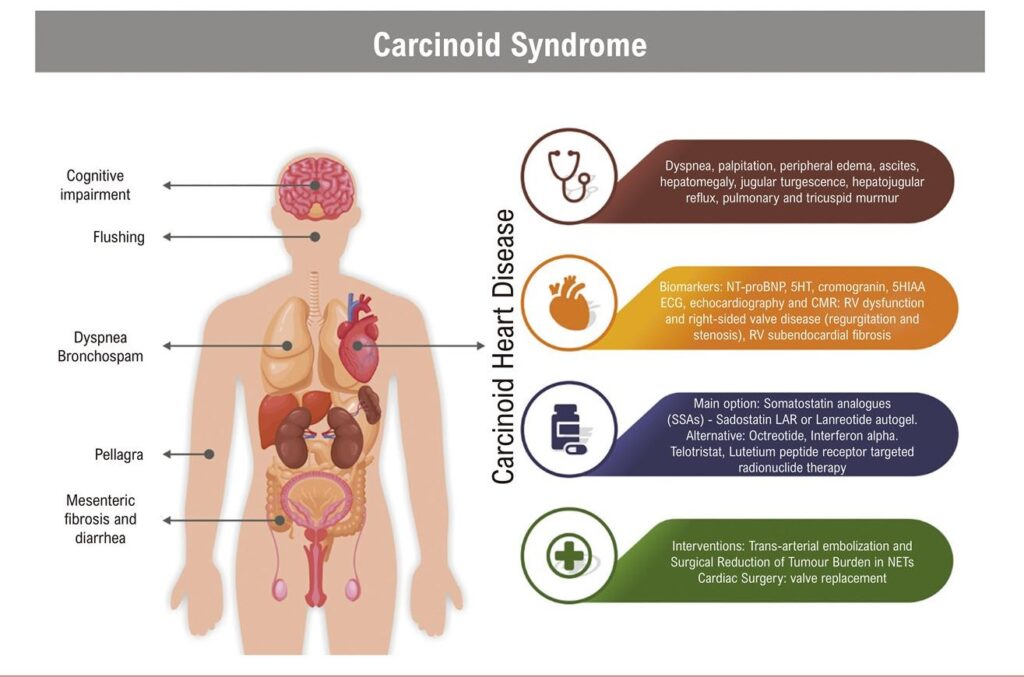
Important Link: This entire process is part of carcinoid syndrome, which includes not only the heart manifestations but also classic symptoms like debilitating flushing of the skin, chronic diarrhea, and bronchospasm. Carcinoid heart disease is considered the most severe manifestation of this syndrome, significantly impacting prognosis.
Recognizing the Symptoms and Achieving Diagnosis
The symptoms of carcinoid heart disease are often insidious and overlap with symptoms of both carcinoid syndrome and right-sided heart failure. This makes a high index of suspicion essential for physicians treating patients with known neuroendocrine tumors.
- Cardiac Symptoms: These result from progressive valve dysfunction and include fatigue (the most common symptom), shortness of breath on exertion (dyspnea), fluid retention leading to peripheral edema (swelling in legs/ankles), and ascites (fluid buildup in the abdomen). A hallmark finding on physical exam is a loud, murmur characteristic of tricuspid regurgitation.
- Diagnostic Pathway: Diagnosis involves a multi-modal approach:
- Echocardiogram (Heart Ultrasound): This is the cornerstone of diagnosis. It reveals the pathognomonic findings: thickened, retracted, and immobile tricuspid and pulmonary valves that appear “stuck” in a partially open position. It precisely assesses the severity of valve leakage (regurgitation) and narrowing (stenosis), as well as the impact on right heart chamber size and function.
- Biomarkers: Elevated levels of N-terminal pro b-type natriuretic peptide (NT-proBNP) in the blood are a strong indicator of right ventricular strain and are used for diagnosis and monitoring progression.
- Urinary 5-HIAA: A 24-hour urine test for 5-hydroxyindoleacetic acid (5-HIAA), the primary metabolite of serotonin, confirms the presence of a functionally active carcinoid tumor. The level often correlates with the severity of the syndrome.
A Dual Approach: Treating the Tumor and the Heart
Effective management of carcinoid heart disease requires a two-pronged strategy led by a specialized multidisciplinary team, typically including cardiologists, oncologists, hepatologists, and cardiac surgeons.
1. Treatment Targeting the Underlying Tumor
The goal is to reduce the tumor burden and, consequently, the secretion of serotonin. This can improve systemic symptoms and may slow the progression of heart damage.
- Somatostatin Analogs (SSAs): Drugs like octreotide and lanreotide are first-line therapy. They bind to somatostatin receptors on the tumor cells, inhibiting hormone release and often stabilizing tumor growth. They are critical for symptom control.
- Liver-Directed Therapies: For metastases confined to the liver, options like hepatic artery embolization, radioembolization, or ablation can debulk tumors and significantly reduce hormone production.
- Systemic Therapies: For more advanced disease, treatments like peptide receptor radionuclide therapy (PRRT, e.g., Lutetium-177 DOTATATE), interferon-alpha, or certain chemotherapy regimens may be used.
2. Treatment Targeting the Heart Itself
This addresses the structural damage caused by the disease.
- Medical Management for Heart Failure: This includes careful use of diuretics to manage fluid overload. Traditional heart failure medications like ACE inhibitors or beta-blockers are often less effective and must be used with great caution in right-sided failure.
- Cardiac Surgery: Surgical valve replacement is the only definitive treatment for severe valve dysfunction. The timing of surgery is a critical decision. It is typically recommended before the right ventricle becomes irreversibly damaged. The procedure most often involves replacing the tricuspid and pulmonary valves with bioprosthetic (tissue) valves. This surgery is high-risk due to patient frailty, liver involvement, and the complexity of the fibrotic tissue, but in experienced centers, it dramatically improves symptoms, quality of life, and survival.
- Medical Management During Surgery (Carcinoid Crisis): A major perioperative risk is carcinoid crisis—a life-threatening surge of vasoactive substances triggered by surgical stress. Prevention involves continuous intravenous infusion of octreotide before, during, and after surgery.
Prognosis and the Importance of Specialized Care
Historically, the development of carcinoid heart disease signified a poor prognosis. However, with modern, aggressive treatment of the underlying neuroendocrine tumor and timely cardiac intervention, outcomes have significantly improved. Survival is now more closely linked to the overall control of the metastatic tumor burden rather than the cardiac disease alone. This underscores the absolute necessity for patients to be managed at centers with expertise in both neuroendocrine oncology and advanced cardiology/cardiac surgery, where coordinated, personalized care plans can be developed.
The key to living with carcinoid heart disease is regular, lifelong monitoring with echocardiograms and biomarker tests, strict adherence to medical therapy for the tumor, and timely referral for surgical evaluation when indicated. Through this comprehensive approach, the potentially devastating cardiac effects of this rare syndrome can be effectively managed.