
Feeling unexpectedly winded after climbing a flight of stairs or even just carrying on a conversation is a common surprise for many women in their second trimester. If you’re experiencing this, know that you are far from alone. Shortness of breath pregnancy 2nd trimester is an incredibly frequent symptom, often beginning around weeks 13 to 28. While it can be unsettling, it’s usually a normal part of your body’s remarkable adaptation to pregnancy. This guide will explore the key causes behind this sensation and provide practical, safe strategies for relief.
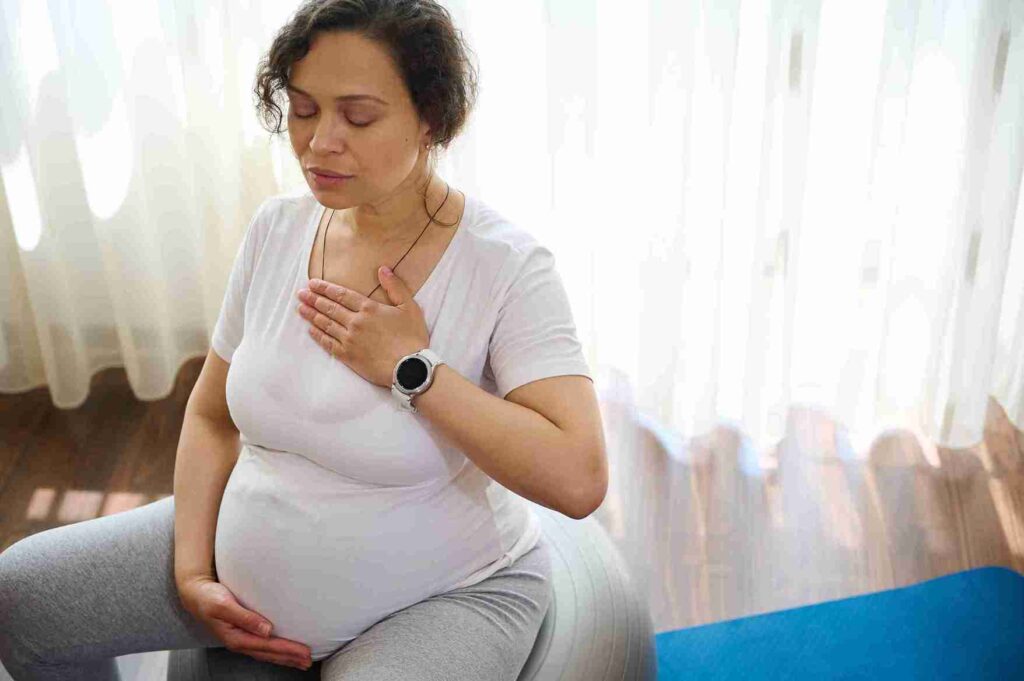
Why Does It Happen? Understanding the Causes
The feeling of shortness of breath pregnancy 2nd trimester is rarely due to a single factor. Instead, it’s a perfect storm of physiological changes designed to support your growing baby.
1. Hormonal Changes: The Progesterone Effect
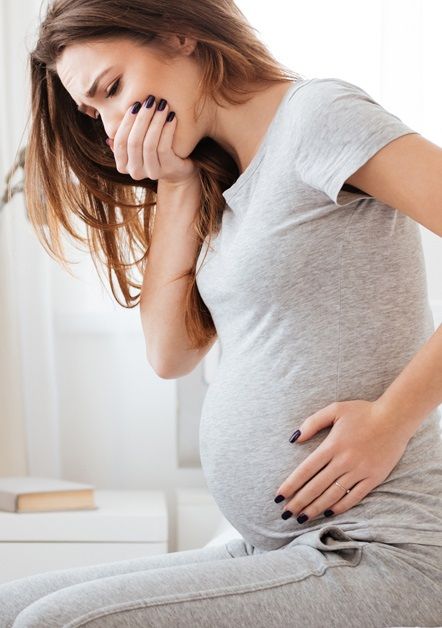
The primary driver early in the second trimester is the pregnancy hormone progesterone. Often called the “pregnancy hormone,” progesterone acts as a powerful respiratory stimulant. It signals your brain to lower the carbon dioxide levels in your blood. To achieve this, you breathe more deeply and frequently—a process called hyperventilation of pregnancy. This isn’t harmful; it’s your body’s way of ensuring optimal oxygen exchange for you and your baby. However, this constant, heightened respiratory drive is what makes you feel like you’ve just finished a light jog, even when you’re at rest.
2. Your Growing Uterus and Shifting Organs
As your second trimester progresses, your uterus expands significantly upward out of the pelvic cavity. By around 20 weeks, it begins to press against your diaphragm—the large, dome-shaped muscle that sits beneath your lungs and is crucial for breathing. This physical pressure limits how far your diaphragm can flatten downward on inhalation, reducing your lung capacity. You might notice you can’t take as deep a breath as you used to. It’s a straightforward mechanical challenge: there’s simply less room for your lungs to fully expand.
3. Increased Blood Volume and Cardiac Output
To nourish the placenta and your baby, your body increases its blood volume by 30-50% during pregnancy. Your heart has to work harder, pumping this extra blood throughout your body. This increased cardiac output means your body is in a perpetually heightened state of circulation, similar to a constant, low-grade workout. This can contribute to that feeling of breathlessness, especially during physical activity.
4. Increased Oxygen Demand
Remember, you’re now breathing for two. Your metabolic rate increases, and your body’s overall demand for oxygen rises to support both your needs and your baby’s rapid development. The sensation of shortness of breath pregnancy 2nd trimester is partly your body’s response to this increased demand.
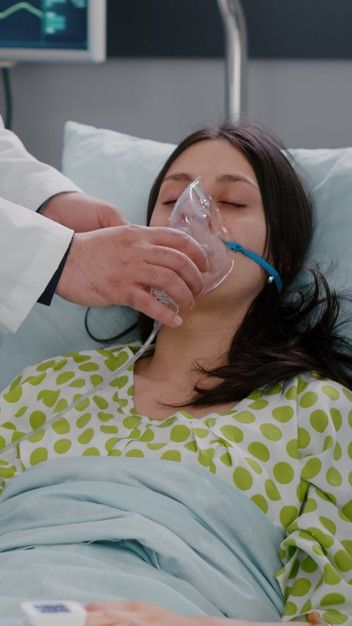
“Normal” vs. “Concerning” Shortness of Breath
It’s crucial to distinguish between typical pregnancy-related breathlessness and symptoms that require immediate medical attention.
Typical (Physiological) Breathlessness:
- Comes on gradually with activity or when lying flat.
- Improves with rest or changing position.
- Is not associated with pain.
- Does not worsen dramatically over a few hours.
Seek Immediate Medical Attention If You Experience:
- Sudden or Severe Shortness of Breath that comes on rapidly at rest.
- Chest Pain or Tightness, palpitations, or a racing heart.
- Lightheadedness, Dizziness, or Fainting.
- A Persistent Cough, especially if accompanied by fever, chills, or coughing up blood.
- Blue Tint to Lips or Fingertips (cyanosis).
- Worsening Asthma Symptoms.
- A Feeling of Impending Doom or severe anxiety related to breathing.
These symptoms could indicate conditions like a pulmonary embolism, pneumonia, or peripartum cardiomyopathy, which are rare but serious and require urgent evaluation.
Practical Strategies for Relief
While you can’t stop the hormonal and physical changes, you can effectively manage the sensation of shortness of breath pregnancy 2nd trimester with these techniques:
1. Practice Good Posture
Slouching compresses your lungs even further. Make a conscious effort to stand and sit tall. Imagine a string pulling you up from the crown of your head. Roll your shoulders back and down. This simple act creates maximum space in your chest cavity for your lungs to expand.
2. Modify Your Activity and Pace Yourself
Listen to your body. It’s okay to slow down. Break tasks into smaller chunks and take frequent breaks. The mantra “slow and steady” is your friend. Continue with gentle exercise like walking or prenatal yoga, but at a pace where you can still hold a conversation.
3. Sleep and Rest Propped Up
Gravity is your ally. As your uterus presses upward, lying flat can make you feel like you’re being smothered. Use extra pillows to prop yourself up at a 45-degree angle. This takes the pressure off your diaphragm and can significantly improve nighttime breathing.
4. Master the “Pursed-Lip” Breathing Technique
This is a powerful tool used in pulmonary rehab. When you feel breathless:
- Inhale slowly through your nose for a count of two.
- Pucker your lips as if you’re about to whistle.
- Exhale slowly and gently through your pursed lips for a count of four.
This technique helps keep your airways open longer, reduces the work of breathing, and can instantly calm the feeling of air hunger.
5. Engage Your Arms Strategically
Avoid activities that require holding your arms overhead for long periods (like washing high windows or changing a lightbulb). This position restricts the rib cage. Instead, keep your arms at or below shoulder level when possible.
6. Wear Loose, Comfortable Clothing
Tight clothing, especially around your chest and waist, can restrict breathing. Opt for stretchy, non-constricting maternity wear that allows your ribcage to move freely.
7. Stay Cool and Hydrated
Overheating can increase your respiratory rate. Dress in layers, use fans, and stay in cool environments. Drink plenty of water, as good hydration helps thin mucus and keeps your respiratory system functioning smoothly.
8. Consider Prenatal Yoga or Breathing Exercises
These practices specifically focus on breath control, diaphragmatic breathing, and creating space in the torso. They can teach you invaluable skills for managing shortness of breath pregnancy 2nd trimester and the stresses that accompany it.
Looking Ahead: The Third Trimester and Beyond
Interestingly, for some women, breathlessness may ease slightly in the late third trimester (around weeks 36-38) when the baby “drops” or engages into the pelvis (lightening). This can relieve pressure on the diaphragm. Remember, after delivery, most causes of pregnancy-related breathlessness resolve quickly as hormone levels plummet and your organs shift back to their pre-pregnancy positions.
Experiencing shortness of breath pregnancy 2nd trimester is a standard, if challenging, rite of passage for many. By understanding the “why” behind it and employing these relief strategies, you can breathe easier knowing this symptom is a sign of your body’s incredible work in nurturing your baby. Always communicate any concerns with your healthcare provider—they are there to ensure both your comfort and safety throughout this journey.