Protein powder is everywhere—from gym bags to kitchen pantries—but with so many options, it’s easy to feel overwhelmed. Is it just for bodybuilders? Which type is best? This guide cuts through the noise to give you the clear, actionable information you need.
What exactly is protein powder?

In essence, protein powder is a concentrated dietary supplement obtained by extracting proteins from whole food sources (such as milk, eggs, soy, peas, or rice) and removing most of the fats, carbohydrates, and other components. The result is a fine powder that is an efficient and convenient way to increase your daily protein intake.
The main benefit: more than just muscle
Although protein is known for muscle repair and growth, adequate protein intake is essential for everyone. The main benefits include
Supports muscle recovery and growth: repairs muscle tissue damaged during exercise.
Aids weight management: increases satiety, helping curb cravings and reduce overall calorie intake.
Convenient nutrition: a quick and portable solution for busy lifestyles, post-workout, or when whole protein is unavailable.
Supports overall health: Protein is essential for healthy hair, nails, skin, enzymes, hormones, and the immune system.
The Main Types of Protein Powder: Decoded
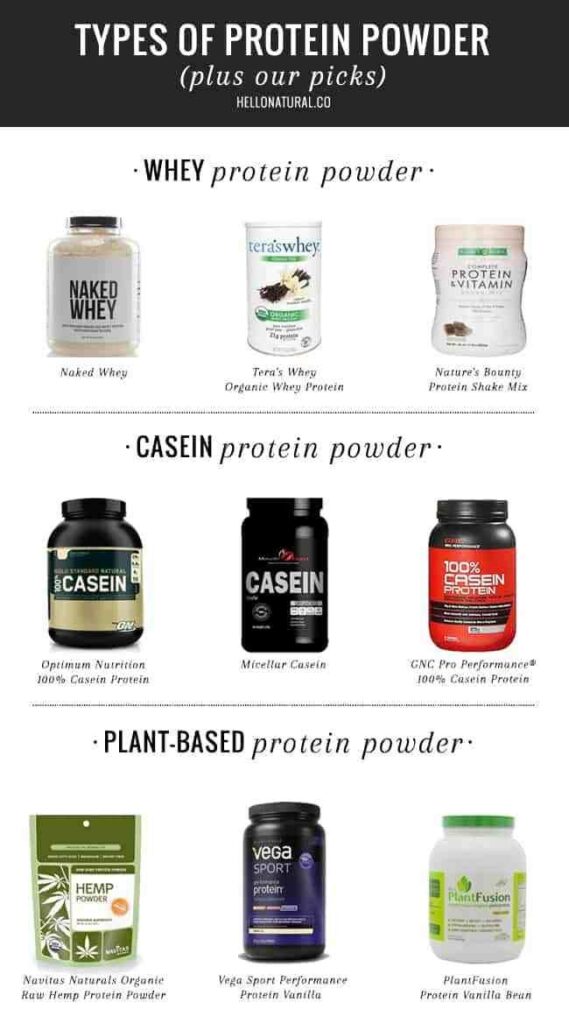
Choosing the right type is the most critical step. Here’s a breakdown of the most common varieties.
1. Whey Protein:
Derived from milk during the cheese-making process. It’s fast-absorbing and packed with all nine essential amino acids (a “complete” protein).
- Whey Concentrate: Contains some lactose and fat. The most common, affordable, and great-tasting option (typically 70-80% protein).
- Whey Isolate: Filtered further to remove almost all lactose and fat. Higher in protein (90%+), lower in carbs/fat, and ideal for those with slight lactose sensitivity.
- Whey Hydrolysate: “Pre-digested” for the fastest possible absorption. Often used in medical protein supplements and tends to be more expensive.
- Best For: Post-workout recovery, general fitness enthusiasts, and those not following a vegan diet.
2. Casein Protein:
Also from milk, but digests slowly (over several hours), providing a steady release of amino acids.
- Best For: A sustained protein source, often taken before bed to support overnight muscle repair.
3. Plant-Based Proteins:
The go-to choice for vegans, vegetarians, and those with dairy allergies. Single-source plant proteins are often “incomplete,” so blends are popular to create a complete amino acid profile.
- Pea Protein: A great dairy-free, hypoallergenic option with a solid amino acid profile. Can be slightly gritty.
- Soy Protein: A complete plant protein. A classic, well-researched option.
- Brown Rice Protein: Easily digested but low in lysine (an essential amino acid). Often blended.
- Hemp Protein: Contains fiber and healthy fats, but lower in protein per scoop.
- Best For: Vegans/vegetarians, those with dairy allergies, or anyone seeking a plant-focused diet.
4. Egg White Protein:
A complete, high-quality protein from egg whites. Dairy-free and digests at a moderate rate.
- Best For: Those allergic to dairy who prefer an animal-based protein.
5. Collagen Peptides:
Gained popularity for supporting joint, skin, and hair health. Note: It’s not a complete protein (lacks tryptophan) and is not optimal for muscle synthesis alone.
- Best For: Supporting connective tissues and beauty benefits, often used in addition to a complete protein source.
How to Choose the Right Protein Powder for YOU

Follow this simple 4-step framework:
Step 1: Define Your Primary Goal
- Building Muscle / Post-Workout Recovery: Prioritize Whey Isolate or Concentrate for fast absorption.
- Weight Management / Meal Replacement: Look for a protein with high protein-per-calorie ratio and minimal added sugars. Whey Isolate or a Plant-Based Blend with added fiber can be excellent.
- General Health / Convenience: Any high-quality Whey, Plant Blend, or Egg White protein works.
- Vegan / Dairy-Free: Choose a multi-source Plant-Based Blend (e.g., pea + rice + hemp) for a complete amino acid profile.
Step 2: Check the Label Like a Pro
- Protein Content: Aim for 20-30 grams of protein per serving.
- Ingredients List: Shorter is often better. The first ingredient should be the protein source (e.g., “whey protein isolate,” “pea protein concentrate”).
- Sugar & Carbs: Be wary of high added sugar (anything >5g per serving). Look for stevia, monk fruit, or erythritol as sweeteners if you prefer low-sugar.
- “Other” Ingredients: Depending on your preference, watch for artificial flavors, colors, thickeners (like xanthan gum), and digestive enzymes (like lactase or papain, which can aid digestion).
Step 3: Consider Taste, Mixability & Budget
- Flavor: Vanilla and chocolate are universally safe first choices. Buy a small tub or single-serving packet first.
- Mixability: Whey isolates and hydrolysates typically mix the easiest. Plant proteins can be grainier but have improved significantly.
- Cost: Concentrates are usually cheapest, followed by isolates and plant blends. Collagen and hydrolysates are often premium.
Step 4: Think About Timing (It’s Simpler Than You Think)
- Post-Workout (within 1-2 hours): Fast-absorbing protein (Whey) is ideal.
- Between Meals or as a Snack: Any type works for hunger control.
- Before Bed: Slow-digesting casein or a blend can provide overnight amino acids.
Common Myths Busted
- Myth: “Protein powder will make you bulky.” Truth: It supports muscle repair. A calorie surplus and strength training build size.
- Myth: “You need it to be healthy.” Truth: It’s a supplement. Whole food sources (chicken, fish, legumes, eggs) should always be the foundation of your diet.
- Myth: “More protein is always better.” Truth: The body can only utilize so much per meal (typically 20-40g for most people). Excess is simply stored as energy.
Final Recommendation & Next Steps:
For a first-time buyer, a good-quality Whey Protein Concentrate or Blend is a fantastic, cost-effective starting point for most people. For those avoiding dairy, a vegan protein blend is your best bet.
Your next step? Don’t overthink it. Choose one that fits your dietary needs and goal from Step 1, try a small size, and see how you feel. The “best” protein powder isn’t the one with the most marketing—it’s the one you’ll consistently enjoy and use to support your health and fitness journey.
Ready to explore? Check out our detailed reviews of the [Best Protein Powders for 2025] or [Top-Rated Vegan Proteins] to find your perfect match.