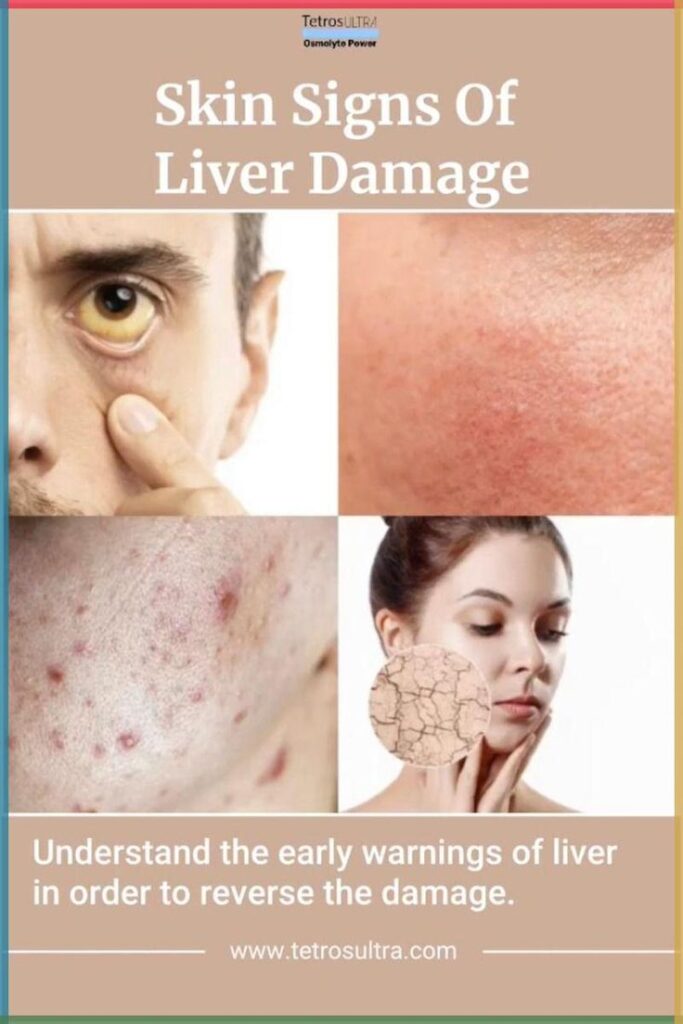
Your skin is not just a protective barrier; it is a highly sensitive reflection of your internal health. Often, it is the first organ to signal that something is wrong inside the body. One of the most significant internal connections is with your liver. When the liver—your body’s primary filtration and metabolic factory—becomes compromised, the skin often becomes the canvas upon which its distress is painted. This powerful link is the essence of what we term Liver Skin Disease.
Understanding this connection is vital. The signs on your skin are not merely cosmetic nuisances; they are crucial, often early, indicators of underlying liver dysfunction that demand attention. By learning to recognize these symptoms, you empower yourself to seek timely medical intervention, which can be critical for managing liver health and preventing progression.
Why Does Liver Disease Affect the Skin?
The liver performs over 500 essential functions. When it is damaged by conditions like hepatitis, fatty liver disease, cirrhosis, or bile duct disorders (like Primary Biliary Cholangitis), its ability to filter toxins, metabolize hormones, and produce vital proteins is impaired.
This dysfunction leads to the accumulation of substances in the bloodstream, such as bile salts, bilirubin, and excess hormones. These circulating compounds directly irritate skin cells, alter blood vessel structure, and cause the wide array of visible changes classified under Liver Skin Disease.
Key Signs and Symptoms of Liver Skin Disease
The manifestations are diverse, ranging from subtle discoloration to intense physical discomfort. Here are the primary signs to watch for:
1. Pruritus (Severe, Unrelenting Itching)
This is arguably the most classic and distressing symptom of cholestatic liver disease (where bile flow is reduced). It is not associated with a visible rash initially. The itch is profound, often generalized, and typically worsens at night or in warm weather. It’s caused primarily by bile salts accumulating under the skin, triggering nerve endings. This symptom alone can severely impact quality of life and sleep.
2. Jaundice
The most widely recognized sign. Jaundice is a yellow discoloration of the skin, mucous membranes, and the whites of the eyes (sclera). It occurs when the diseased liver cannot efficiently process bilirubin, the yellow-orange pigment formed from the breakdown of old red blood cells. The bilirubin builds up and deposits in tissues.
3. Spider Angiomas (Spider Nevi)
These are small, red vascular lesions with a central “body” and fine, radiating “legs” that blanch when pressed. They commonly appear on the face, neck, upper chest, and arms. Their development is linked to elevated estrogen levels, which a damaged liver fails to metabolize properly, causing small blood vessels to dilate.
4. Palmar Erythema
A symmetrical reddening, often described as a “liver palm,” affecting the thenar and hypothenar eminences (the fleshy parts at the base of the thumb and little finger). This mottled redness, which blanches on pressure, is also tied to altered hormone metabolism and increased blood flow from dilated capillaries.
5. Xanthelasma
These are soft, yellowish, cholesterol-filled plaques that develop on or around the eyelids. They indicate lipid (fat) metabolism disorders, which can occur when liver disease disrupts the normal processing of cholesterol.
6. Cutaneous Vascular Changes
Chronic liver disease can lead to:
- Paper Money Skin: Thin, fragile skin with a finely wrinkled appearance and numerous visible, small blood vessels.
- Easy Bruising & Bleeding: Due to the liver’s reduced production of clotting factors.
- Purpura: Small purple spots from bleeding under the skin.
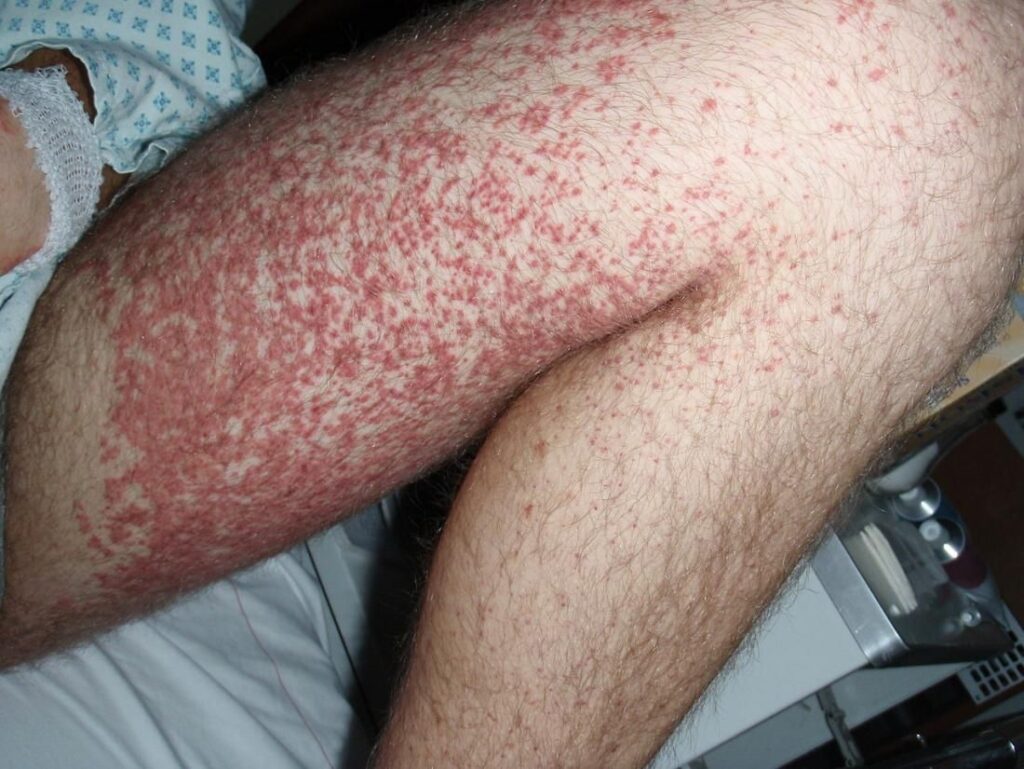
7. Nail Changes
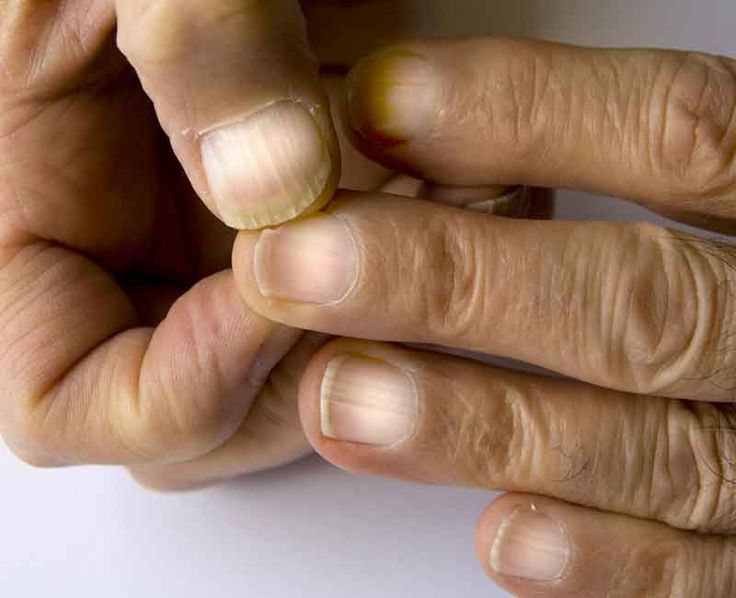
- Terry’s Nails: Nails appear mostly white with a narrow pink band at the tip.
- Clubbing: Enlargement of the fingertips and downward curving of the nails.
The Critical Connection: Diagnosing the Underlying Cause
These skin signs are diagnostic clues pointing to specific liver conditions. For instance:
- Intense Pruritus and Xanthelasma often point to cholestatic diseases like Primary Biliary Cholangitis.
- Jaundice, Spider Angiomas, and Palmar Erythema are hallmarks of cirrhosis from various causes (alcoholic, viral hepatitis, NASH).
- A sudden onset of jaundice may indicate acute hepatitis or bile duct obstruction.
Therefore, a new, persistent skin symptom should never be dismissed. It is your body’s visual alarm system.
Path to Management and Treatment
Addressing Liver Skin Disease involves a two-pronged approach:
1. Treat the Root Cause: The primary goal is diagnosing and managing the underlying liver condition. This may involve:
- Antiviral medications for hepatitis.
- Lifestyle modifications (weight loss, alcohol abstinence) for fatty liver disease.
- Ursodeoxycholic acid for certain cholestatic diseases.
- In advanced cases, liver transplant evaluation.
2. Manage the Skin Symptoms: To alleviate discomfort, especially itching, doctors may prescribe:
- Bile Acid Sequestrants: Like cholestyramine, which bind bile salts in the intestine.
- Rifampin: An antibiotic that can reduce itching through a different mechanism.
- Opioid Antagonists: Like naltrexone, to block itch pathways in the brain.
- Topical Therapies: Emollients, menthol or camphor-based creams, and cool baths for symptomatic relief.
- Phototherapy: UVB light can help reduce inflammatory itch.
Conclusion
The intimate link between your liver and your skin underscores a fundamental principle in medicine: the body functions as an interconnected whole. Liver Skin Disease is a powerful manifestation of this principle. By recognizing the signs, symptoms, and connections, you take a proactive step in safeguarding your health. If you observe persistent or unexplained changes in your skin—particularly itching, yellowing, or new vascular marks—consult a healthcare professional promptly. A timely investigation can lead to an early diagnosis, effective management of your liver health, and significant relief from the distressing symptoms on your skin. Your skin is talking; learning its language could save your life.
What is liver skin disease?
Liver skin disease is not a single, standalone illness. Instead, it is a collective term for the various skin changes, signs, and symptoms that occur as a direct result of an underlying liver problem. It represents a critical connection between dermatology and hepatology (the study of the liver).
Think of your skin as a visible warning system. When the liver is damaged or diseased—whether by conditions like hepatitis, cirrhosis, fatty liver disease, or bile duct disorders—it cannot perform its vital functions properly. This dysfunction leads to a buildup of substances in the bloodstream, such as:
- Bile salts (causing severe itching)
- Bilirubin (causing yellowing, or jaundice)
- Excess hormones (causing spider veins and red palms)
- Toxins and metabolic byproducts
These circulating substances then manifest on the skin in specific, recognizable ways. Therefore, liver skin disease refers to these external clues that point to an internal hepatic issue. Recognizing them is crucial, as skin changes are often among the first noticeable signs of liver dysfunction, providing an early opportunity for diagnosis and treatment of the root cause.
In short: Liver skin disease is the visible signal on your skin that your liver needs medical attention.