
Witness dramatic cosmetic transformations that defy belief. This isn’t makeup—it’s architectural redesign. Discover the surgical-level precision of the face shaper tool and learn the techniques that are revolutionizing beauty standards. Your face, remastered.
What is the Face Shaper Tool? A Quick Primer
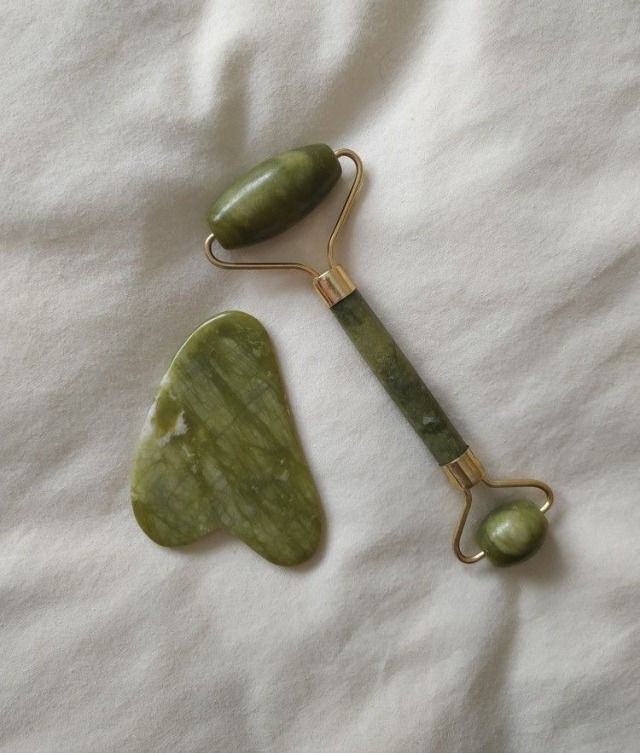
- Ideal For: Cream and liquid products (foundation, concealer, contour sticks, liquid blush).
- Definition: A specialized makeup applicator (typically with angled, tapered edges) designed to place and blend product with sharp precision.
- Key Features: Material (silicone, flexible plastic), shape, and why it’s superior to fingers or standard brushes for contour, blush, and highlight.
Visual Guide: How to Use a Face Shaper Tool
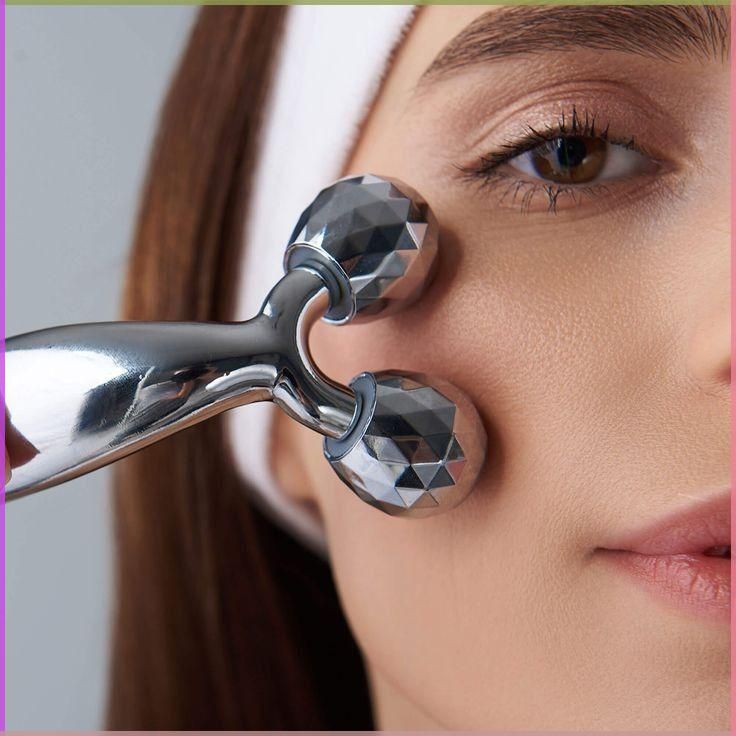
To achieve the best “before and after” transformation with your face shaper tool, proper technique is everything. Follow these steps based on dermatologist and traditional practitioner guidance.
Step 1: Preparation
- Action: Start with a clean face. Apply a generous layer of facial oil or serum to create a slick surface.
- Pro Tip for Results: This slippery barrier is non-negotiable. It allows the tool to glide effortlessly, preventing any pulling or stretching of the delicate skin, which is crucial for safe and effective sculpting.
Step 2: Master the Angle
- Action: Hold your face shaper tool flat against your skin, then tilt it to a 15- to 45-degree angle. Use the curved edge that best fits the facial contour you are working on.
- Pro Tip for Results: This shallow angle ensures the tool’s edge makes gentle, firm contact with the skin and underlying tissue for effective massage without scratching.
Step 3: Apply the Right Pressure & Direction
- Action: Use light to medium pressure—the sensation should be firm but never painful. Always move the tool in upward and outward strokes, directing energy from the center of your face out toward your hairline and down your neck.
- Pro Tip for Results: Never drag the skin downward. This upward motion follows the natural pathways of your lymphatic system, helping to drain fluid and reduce puffiness for a more sculpted look.
Step 4: Target Key Areas for Sculpting
Focus on these areas with 3-5 gentle strokes each:
- Jawline: Start at the center of your chin and glide along the jawbone up to your earlobe.
- Cheeks: From the corners of your nose and mouth, sweep upward toward the top of your ears.
- Forehead: Smooth upward from between your eyebrows into your hairline.
- Neck: Glide downward from your jawline to your collarbone to complete lymphatic drainage.
- Pro Tip for Results: Pay extra attention to areas where you typically hold tension (like the jaw) or notice morning puffiness (under eyes, cheeks). Consistency here defines the “after” effect.
Step 5: Commit to Consistency
- Action: Perform this full routine for 5-10 minutes. For optimal visible results, incorporate it into your regimen daily or at least several times a week.
- Pro Tip for Results: The “after” glow and contour are cumulative and temporary. Regular use is the single most important factor in achieving and maintaining a lifted, sculpted appearance.
I hope this revised guide is helpful for your visual breakdown. Would you like me to format this information into a series of steps for an infographic or a social media carousel post?
Strategic Mistakes: Why 90% of People Use Them Wrong (and How to Fix Them)
- isastrous Mistake #1: Using a swipe motion. This erases your work and creates a mess.
- Disastrous Mistake #2: Applying the product directly onto the applicator instead of applying it to your face first. This completely eliminates control over the application.
- Disastrous Mistake #3: Using the wrong product formula. It should be a cream or liquid that dries slowly. Powders and quick-drying formulas won’t work.
- Pro Tip: Keep a damp makeup eraser or cotton pad handy. You can also use the edge of the applicator to precisely remove and correct imperfections.