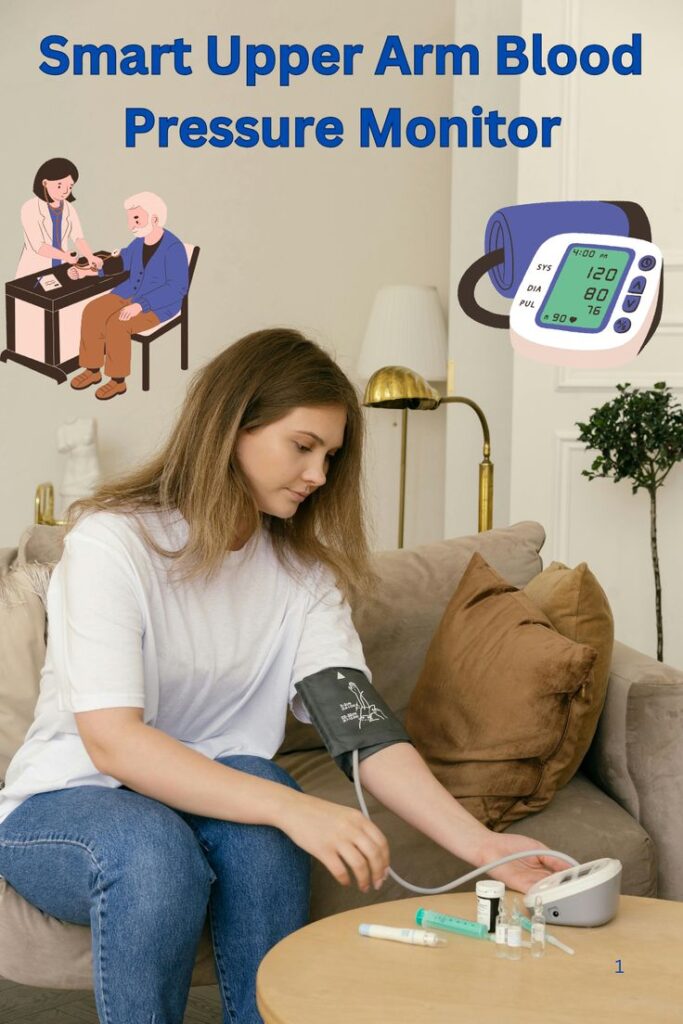
Blood Pressure Monitor Calibration is not merely a technical maintenance task—it is a critical component of effective cardiovascular health management. An uncalibrated monitor can provide dangerously misleading data, potentially leading to incorrect treatment decisions. This definitive guide covers why, when, and how to ensure your monitor’s accuracy through proper Blood Pressure Monitor Calibration
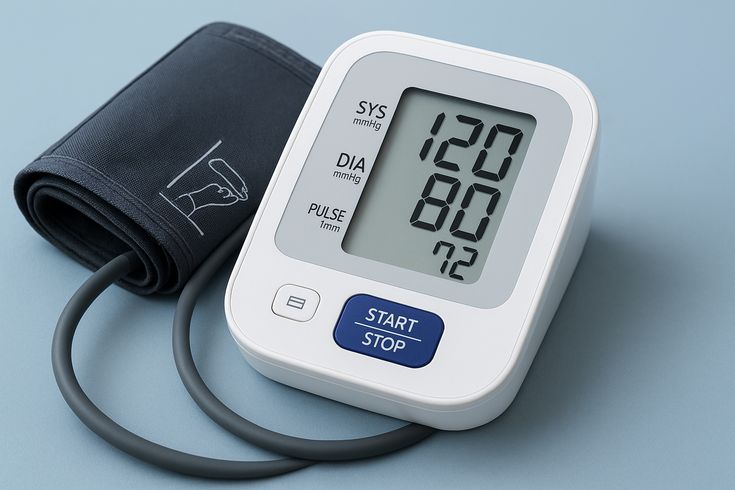
What is Blood Pressure Monitor Calibration?
Blood Pressure Monitor Calibration is the formal process of comparing a monitor’s readings against a known reference standard (like a mercury column or a certified digital calibrator) and making necessary adjustments to correct any inaccuracies. This is distinct from simple validation or checking.
Why It’s Medically Essential
- Clinical Decision Reliance: Doctors increasingly rely on home readings to adjust medication.
- The “White Coat” & “Masked” Hypertension Dilemma: Accurate home monitoring helps diagnose these conditions.
- Precision Requirements: A difference of just 5 mmHg can change your hypertension stage and treatment plan according to guidelines.
Chapter 1: The Calibration Process Demystified
Professional Blood Pressure Monitor Calibration is a technical procedure best understood in three phases:
| Phase | Process | Tool Used | Acceptable Tolerance |
|---|---|---|---|
| 1. Pre-Test/Validation | The monitor’s readings are compared to a reference at multiple pressure points (e.g., 250, 200, 150, 100 mmHg). | NIST-Traceable Digital Pressure Calibrator or Mercury Sphygmomanometer | Typically within ±3 mmHg |
| 2. Adjustment | If outside tolerance, a certified technician performs internal adjustment via software or physical screw adjustment on aneroid devices. | Manufacturer-specific software/calibration key | Restored to within ±1-2 mmHg |
| 3. Certification | A calibration certificate is issued, documenting the “as-found” and “as-left” accuracy. | Calibration Management System | Provides traceability to national standards |
Important: True Blood Pressure Monitor Calibration requires specialized equipment. The common “comparison check” at a doctor’s office is a validation test, not a calibration.
Chapter 2: Calibration Schedule by Device Type
Not all devices need calibration at the same frequency. Adhere to this general guideline:
- Digital Upper Arm Monitors (Home Use): Calibrate every 2 years with regular use.
- Aneroid (Dial) Monitors: Calibrate every 1 year due to mechanical spring fatigue.
- Wrist Monitors: Calibrate every 1-2 years; they are more sensitive to sensor drift.
- Professional/Clinic Devices: Calibrate every 6 months to 1 year due to frequent use.
- After Any Physical Impact: Calibrate immediately if the device is dropped or damaged.
Chapter 3: Step-by-Step User Guide to Managing Calibration
Step 1: Initial Purchase – Start with Accuracy
Choose a device that has passed independent clinical validation. The US Blood Pressure Validated Device Listing (VDL™) from the American Medical Association is a key resource: AMA Validated Device List.
Step 2: Regular Accuracy Checks (Every 6 Months)
Take your monitor to your healthcare provider.
Rest for 5 minutes.
Have a professional take a reading with their recently calibrated clinical device.
Immediately take a reading with your home monitor on the same arm.
Repeat this process 3 times, alternating devices. A consistent difference of >10 mmHg systolic or >5 mmHg diastolic indicates a need for Blood Pressure Monitor Calibration.
Step 3: Finding Calibration Services
- Manufacturer Direct: Companies like Omron often have mail-in service programs.
- Local Biomedical Service Companies: Search for “biomedical equipment calibration” + your city.
- Medical Supply Stores: Some offer referrals to calibration technicians.
Step 4: Post-Calibration Verification
Once calibrated, perform another comparison check against a reference to confirm the service was effective.
Chapter 5: Signs Your Monitor Urgently Needs Calibration
- The “Zero” Test Fails (Aneroid monitors): The needle does not rest exactly on “0” before use.
- Inconsistent Sequential Readings: Fluctuations >10-15 mmHg between readings taken 1 minute apart.
- Clinical Mismatch: Persistent, significant differences from your doctor’s measurements.
- Physical Trauma: The device has been dropped or jarred.
- Unexplained Reading Shifts: Sudden change in your average readings without lifestyle changes.
Chapter 6: The Science & Standards Behind Calibration
Blood Pressure Monitor Calibration adheres to rigorous international protocols. The primary standard is the ISO 81060-2 series, which specifies:
- Devices must be tested across a range of pressures and on a representative sample of patients.
- The mean error must be within ±5 mmHg with a standard deviation ≤ 8 mmHg compared to a mercury standard.
For a detailed explanation of these metrological standards, visit the International Organization for Standardization (ISO): ISO Standards.
Chapter 7: Cost & Logistics of Calibration
| Service Type | Typical Cost Range | Timeframe | Best For |
|---|---|---|---|
| Manufacturer Mail-In | $25 – $75 | 2-4 weeks | Standard home models; ensures OEM parts |
| Local Biomedical Tech | $50 – $150 | 1-2 weeks | Professional/clinic devices; faster service |
| Replacement | N/A | Immediate | Older devices where calibration cost >50% of new unit price |
Pro Tip: Before purchasing a new monitor, check the manufacturer’s website for calibration service availability and cost.
Final Recommendations
- Treat calibration as non-optional medical device maintenance, similar to servicing a car for safety.
- Document all calibration dates and results in your health journal alongside your readings.
- Combine technical calibration with proper technique. Even a perfectly calibrated monitor is useless with an incorrect cuff size or poor posture. The American Heart Association’s guide is essential reading: AHA – How to Measure Blood Pressure.
Disclaimer: This guide provides educational information about Blood Pressure Monitor Calibration. Always follow the specific instructions from your monitor’s manufacturer and the medical advice of your healthcare provider. Regular calibration complements, but does not replace, professional medical consultation.
By ensuring your monitor is accurately calibrated, you transform it from a simple gadget into a reliable partner in your long-term cardiovascular health.