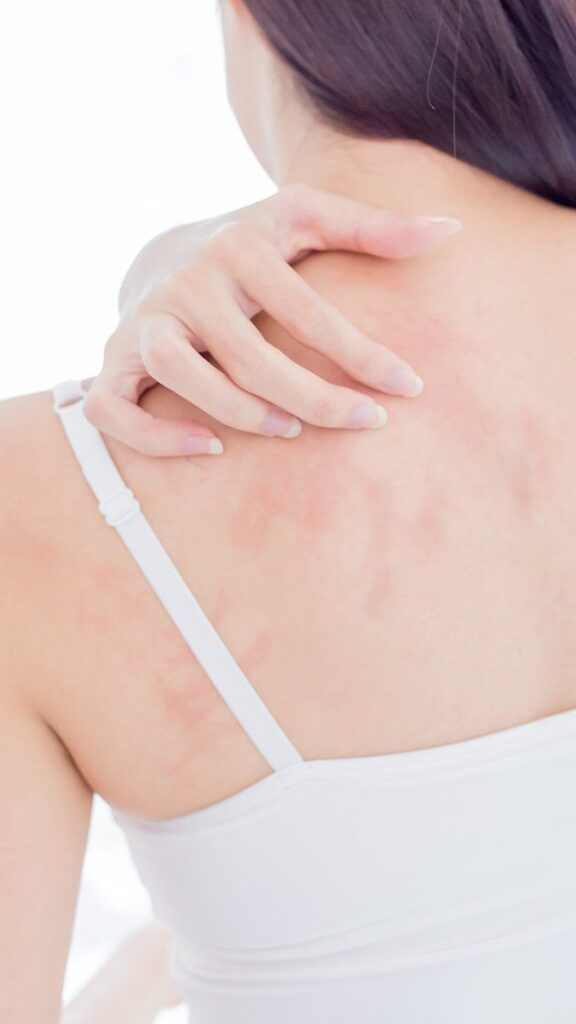
An Egg Allergy is one of the most common food allergies, especially in children. It occurs when the body’s immune system mistakenly identifies proteins found in egg whites or yolks as harmful invaders, triggering a defensive reaction.
When someone with an Egg Allergy consumes eggs or foods containing egg products, the immune system releases chemicals like histamine. This can cause symptoms ranging from mild (hives, nasal congestion, digestive upset) to severe and life-threatening (anaphylaxis, characterized by difficulty breathing, a drop in blood pressure, and throat swelling).
Diagnosis typically involves a skin prick test, a blood test measuring IgE antibodies, or a supervised food challenge. Management of an Egg Allergy centers on strict avoidance of all forms of egg and egg-derived ingredients. This requires vigilant label reading, as eggs are found in many unexpected foods like pasta, baked goods, sauces, and vaccines. Many children outgrow an Egg Allergy, but for those who don’t, careful lifelong avoidance and carrying emergency epinephrine are essential.

Identifying the Symptoms and Triggers of Egg Allergy
An Egg Allergy is an immune system reaction primarily triggered by specific protein in egg white, such as ovomucoid. Identifying its signs and causes is key to management.
Common Symptoms of Egg Allergy:
Reactions typically occur within minutes to a few hours after exposure and can affect multiple systems:
- Skin: Hives, eczema flare-ups, redness, or swelling. For resulting facial irritation, a gentle best skin care for redness routine with fragrance-free, calming ingredients is advised as part of redness skin care.
- Digestive: Nausea, vomiting, stomach cramps, or diarrhea.
- Respiratory: Nasal congestion, sneezing, coughing, wheezing, or difficulty breathing.
- Severe (Anaphylaxis): A life-threatening reaction involving throat tightness, a rapid pulse, dizziness, and a drop in blood pressure, requiring immediate emergency care.
Note: Symptoms like early pregnancy egg white discharge or normal egg white discharge related to ovulation are entirely unrelated to an egg allergy and are not symptoms of it.
Primary Triggers:
The main triggers are the protein in egg white and, less commonly, proteins in the yolk. Exposure comes from:
- Direct Consumption: Eating eggs in any form (scrambled, baked, boiled).
- Hidden Ingredients: Many processed foods contain egg, including baked goods, pasta, sauces, dressings, and some vaccines (like the flu shot).
Important Note: If you are managing reproductive health alongside allergies, diagnostic tests like the AMH test (which measures ovarian reserve) are unrelated to egg allergy. You can inquire about an AMH test near me, AMH test price, or even an AMH test at home through a healthcare provider for family planning purposes, not for allergy diagnosis.
How to Safely Manage an Egg Allergy in Daily Life
Living safely with an egg allergy requires a proactive, organized approach focused on strict avoidance, preparedness, and clear communication.
1. The Foundation: Strict Avoidance with an Egg Free Diet
The only way to prevent a reaction is complete avoidance. This means adhering to a strict egg free diet, which involves:
- Vigilant Label Reading: Eggs can be hidden in baked goods, pasta, sauces, dressings, and even some processed meats under names like albumin, globulin, lecithin (unless specified soy), and livetin.
- Clear Communication: Always inform restaurant staff about the allergy. Ask detailed questions about ingredients and food preparation to avoid cross-contact.
2. The Essential Plan: Your Personalized Allergy Action Plan
Every diagnosed individual must have a written, personalized allergy action plan. This is often called a food allergy action plan or allergy emergency action plan. Many organizations, like FARE (Food Allergy Research & Education), provide a standardized fare allergy action plan template. This critical document, created with your doctor, outlines:
- Clear Symptoms: How to recognize a mild, moderate, or severe reaction.
- Step-by-Step Instructions: Exactly what medications to give and when (antihistamines vs. epinephrine).
- Emergency Contacts: Who to call and when.
- Keep copies everywhere—at home, school, work, and with caregivers.
3. Navigating School & Work: Formal Accommodations
For children in school, formal protections are available under Section 504 of the Rehabilitation Act. A 504 plan is a legally binding document that ensures the school provides a safe environment. A 504 plan template can help outline specific accommodations, such as:
- Staff training on recognizing reactions and using epinephrine.
- Procedures for safe lunchroom practices and classroom activities.
- Permission for the child to carry their emergency medication.
Key Takeaway: Successful daily management hinges on the trio of an egg free diet, a clear and accessible allergy action plan, and, for students, a formalized 504 plan to ensure safety in all environments.