
Protein for Muscle Gain: The Ultimate, Science-Backed Guide. Discover the ideal daily amount, best timing strategies, and the best complete protein sources—from whey to plant-based proteins—for maximum muscle building, recovery, and growth. Stop guessing and start building muscle.
Your Daily Protein for Muscle Gain Goal
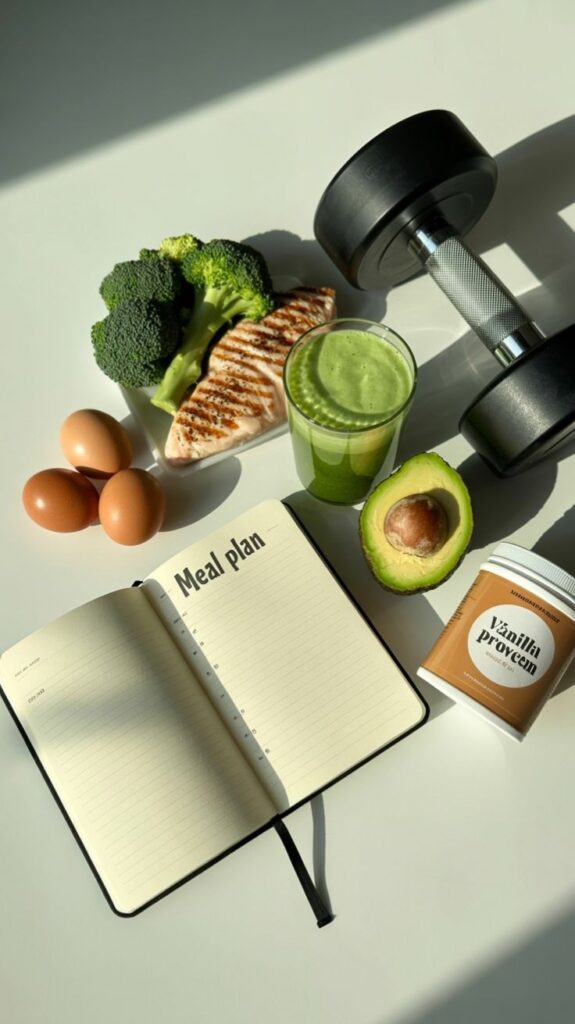
Step 1: Calculate Your Daily Needs
- Multiply your body weight in kilograms by 1.6 to 2.2 grams. This is your total daily protein requirement.
- Example: If you weigh 80 kilograms, you need 128-176 grams of protein per day. Consume the higher amount if you are in a calorie deficit.
Step 2: Plan Your Meals with a Focus on Protein
- Aim for at least 0.4 grams of protein per kilogram of your body weight in each main meal.
- Example: A person weighing 80 kilograms should aim for at least 32 grams of protein in each main meal (breakfast, lunch, and dinner).
Step 3: Distribute Your Protein Throughout the Day
- Eat 3 to 6 protein-rich meals and snacks throughout your waking hours to maximize muscle repair and growth.
Step 4: Prioritize Leucine-Rich Foods
- Choose protein sources with each meal that will help you get 2-3 grams of leucine, an essential amino acid for muscle growth.
- Best sources: Whey protein, chicken, fish, eggs, dairy, soy, and pea protein.
Step 5: Post-Workout Nutrition
- Consume 15-40 grams of protein in the few hours following your workout. While your daily total is important, this helps support your recovery.
Step 6: Choose High-Quality Sources
Prioritize complete proteins that contain all the essential amino acids:
- Animal sources: Meat, poultry, fish, eggs, dairy, whey, and casein.
- Plant sources: Combine foods like tofu, tempeh, lentils, and quinoa to ensure a complete nutritional profile.
The Science of Protein for Muscle Gain
Muscle growth occurs when the rate of muscle protein synthesis exceeds the rate of muscle protein breakdown. Resistance training stimulates muscle growth, but you need dietary protein to provide the amino acids, especially the nine essential amino acids, to build new muscle tissue. The amino acid leucine acts as a key signal to activate this muscle-building process.
Include protein for Muscle Gain in your Diet

- Start Strong: Aim to consume at least 30 grams of protein at breakfast to kickstart muscle protein synthesis after an overnight fast.
- Protein before bed: Consuming a slowly digesting protein like casein or Greek yogurt before bed helps release amino acids gradually throughout the night.
- For vegetarian athletes: You can meet your protein needs by eating a variety of plant-based proteins (such as legumes, grains, and seeds) throughout the day, and aim for a higher intake of protein sources.
- Supplements as a Helper: Protein powders (whey, casein, plant-based blends) can help you reach your goals, but they aren’t necessary if you can meet your needs from whole foods.
Common Mistakes to Avoid
- Ignoring Total Calorie Intake: To build muscle, you need a slightly higher calorie intake. Protein provides the essential building blocks, but energy (from carbohydrates and fat) is crucial for muscle growth.
- Ignoring Carbohydrates: Carbohydrates provide your body with the energy needed for exercise and help replenish muscle glycogen stores, which aids athletic performance and recovery.
- Not Consistent Training: While diet contributes to muscle growth, gradually increasing resistance training load is the primary driver of muscle growth.
- Prioritizing Timing Over Total: While it’s beneficial to spread your protein intake, focusing on creating the perfect post-workout protein shake is less important than meeting your recommended daily protein intake.
Important Considerations for Specific Groups
- For older adults: Muscle sensitivity to protein decreases with age. Older adults may benefit from targeting the upper end of the recommended daily protein range (approximately 2.2 g/kg) and ensuring each meal contains the appropriate amount of leucine.
- For overweight/obese individuals: Calculating protein needs based solely on total body weight can lead to excessive, and sometimes unusable, targets. A good starting point is 1.2–1.6 g/kg of current body weight, focusing on good-quality sources. Some experts also recommend using your height in centimeters as a simple target for daily protein in grams.
Disclaimer: This information is for informational purposes only. People with kidney disease should consult their doctor before significantly increasing their protein intake.