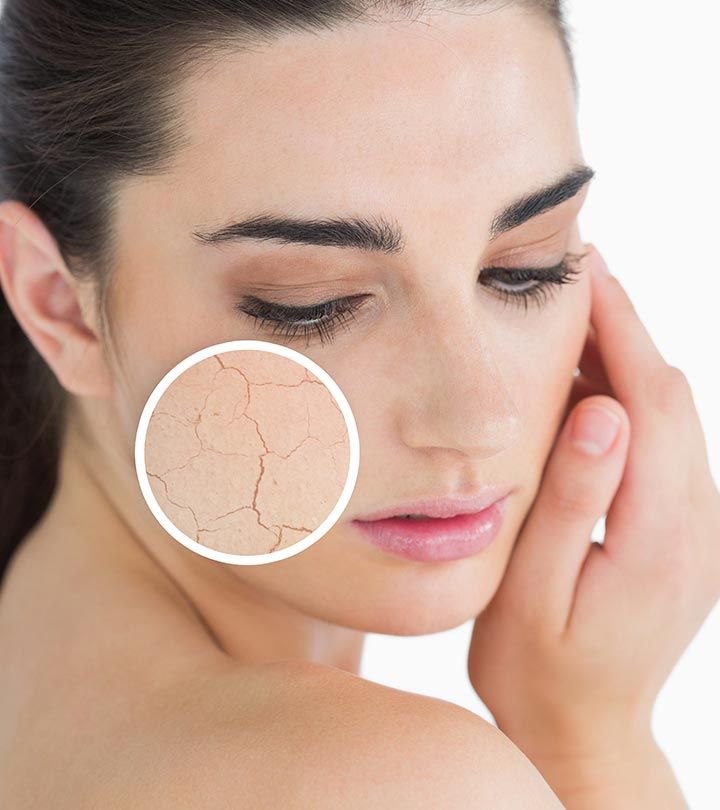
Are you struggling with dry skincare, no matter how many moisturizers you use? You’re not alone. Dry skin is a common problem, but it can be successfully overcome with the right knowledge and a suitable dry skincare routine. This guide will help you understand the problem and provide a simple, dermatologist-approved plan to restore your skin barrier, maintain long-lasting hydration, and transform dry skin into firm, healthy-looking skin.
The Three Essential Steps to a Daily Dry Skincare Routine
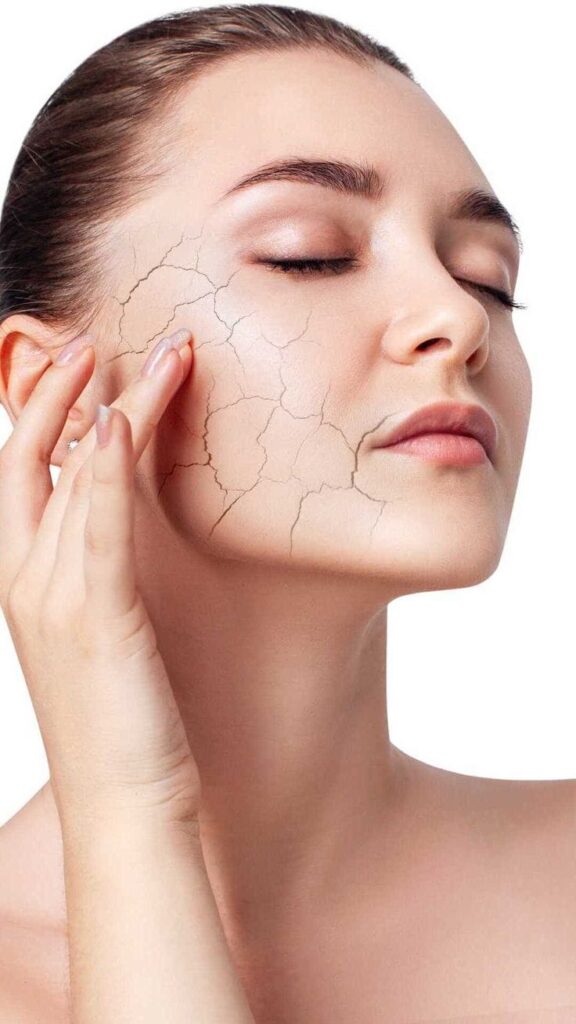
A regular, gentle routine is key. Follow these steps in order, morning and night (avoiding sunscreen at night).
- Step 1: Gentle Cleansing
Using the wrong cleanser can undo all your efforts. Your goal is to remove impurities without stripping your skin of its natural oils.
How to Use: Use warm water—never hot. Massage your cream, cleanser, or balm onto your skin for 30–60 seconds, then rinse thoroughly and pat dry gently with a soft towel (no rubbing).
Preferred Ingredients: Look for moisturizing ingredients like ceramides, hyaluronic acid, and glycerin.
Product Type: Moisturizing cream or cleansing milk.
Key Benefit: Removes impurities without damaging the skin barrier.
- Step 2: Moisturize and Hydrate (The Foundation of Your Routine)
In this step, you effectively moisturize your skin and address its specific concerns. For dry skin, a little goes a long way.
Serum (optional, but effective): Apply a hydrating serum to damp skin after cleansing. A serum containing hyaluronic acid acts like a moisture magnet, attracting moisture to the skin.
Strategic hydration: This is your primary tool for restoring the skin’s barrier function. Apply a moisturizer to damp skin to lock in moisture.
Key ingredients: Look for a combination of humectants (glycerin, hyaluronic acid to attract water), emollients (squalane, jojoba oil to smooth cracks), and barrier agents (shea butter, dimethicone, petrolatum to lock in moisture). Ceramides are the gold standard for restoring the skin’s barrier function.
Product type: A rich cream or moisturizer to restore the skin’s barrier function.
Key benefit: Nourishes and locks in moisture for long-lasting comfort.
- Step 3: Protection (morning only)
Sun damage directly weakens the skin’s barrier and increases dryness. Prevention is better than cure.
How to use: As the last step in your morning routine, apply a broad-spectrum sunscreen with an SPF of at least 30. For added convenience, you can use a moisturizer with SPF.
Beneficial ingredients: Mineral sunscreens containing zinc oxide or titanium dioxide are often less irritating to dry and sensitive skin.
Product type: Moisturizing mineral or chemical sunscreen.
Key benefit: Protects the skin barrier from UV damage, which causes further dryness and premature aging.
Essential Ingredient for Dry Skincare
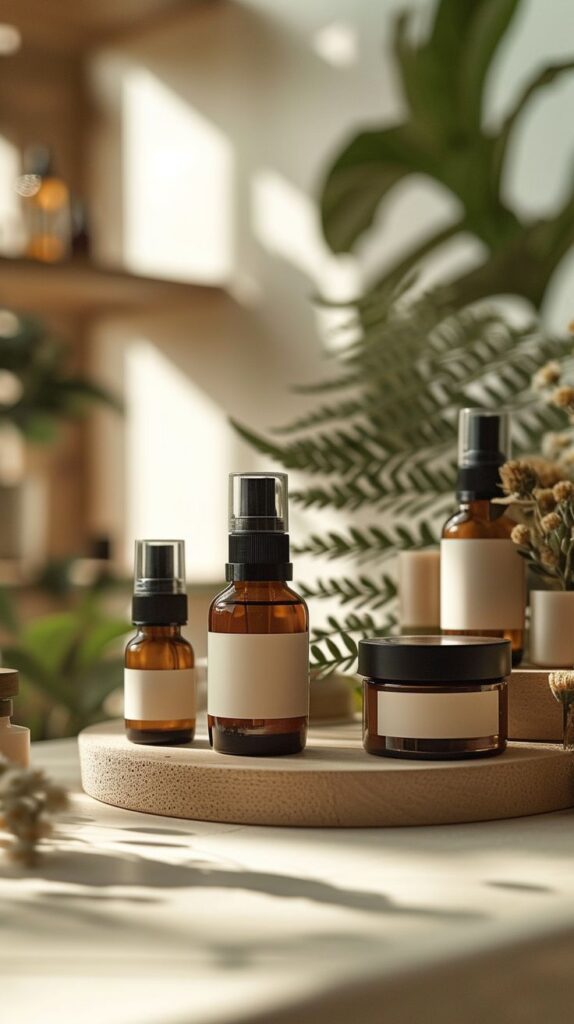
Look for products that contain a combination of humectants, emollients, and barrier agents that attract, soften, and retain moisture.
Humectants (Water-Attracting):
- Hyaluronic Acid: Can hold up to 1,000 times its weight in water, helping to hydrate the skin.
- Glycerin: Attracts water from the environment, providing long-lasting softness.
- Urea: Attracts water and, at higher concentrations, can gently exfoliate flaky skin.
Emollients (Softening and Hydrating):
- Ceramides: Essential lipids that help restore and strengthen the skin’s natural moisture barrier.
- Shea Butter: Rich in fatty acids and vitamins, it provides deep nourishment and helps form a protective barrier.
- Squalane Oil: Mimics the skin’s natural oils, improving hydration without leaving a greasy feel.
Barrier Agents (Moisture-Retaining Agents):
- Petroleum (Vaseline): Forms a physical barrier on the skin, preventing moisture loss.
- Dimethicone: A silicone polymer that helps prevent moisture loss and improves skin texture.
Dry Skincare Ingredients to Avoid
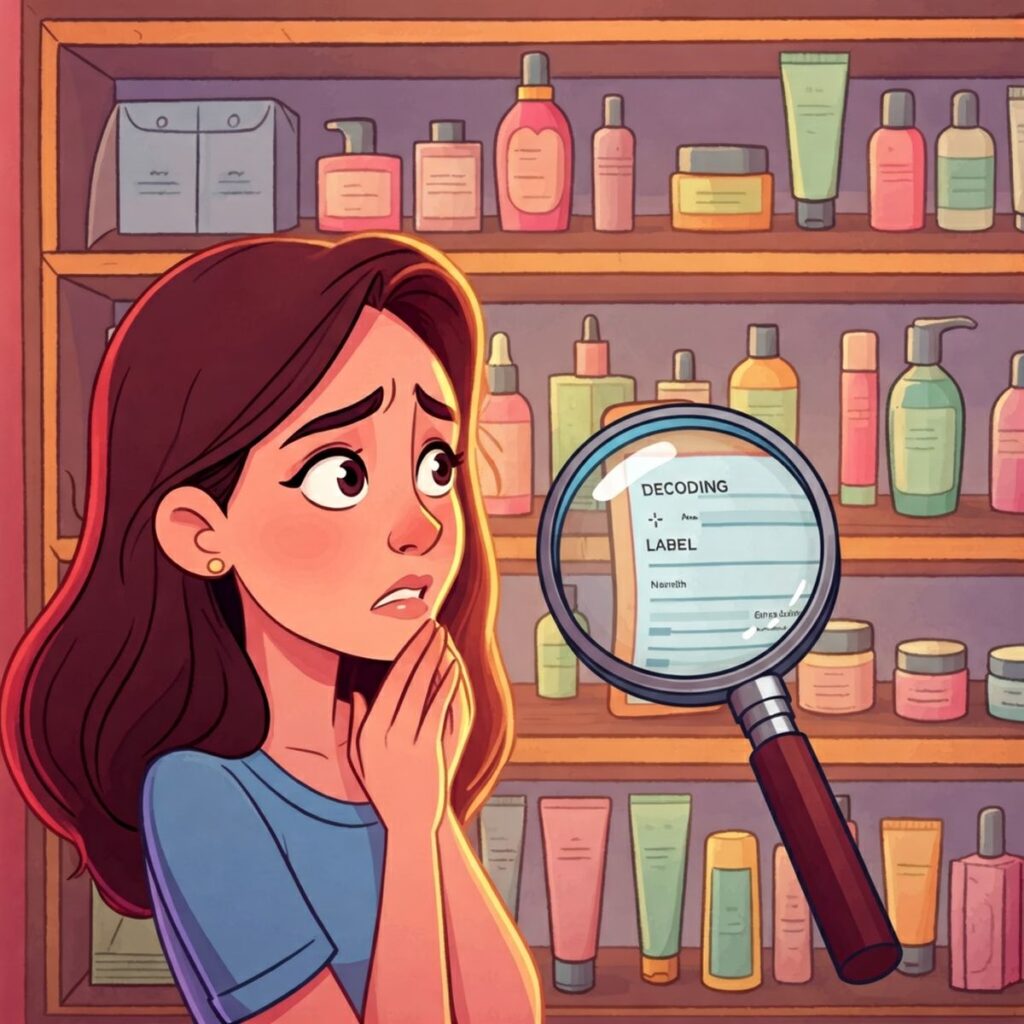
What you add to your skincare routine is just as important as what you avoid. For dry and damaged skin, avoid ingredients that can cause excessive dryness, damage, or irritation:
- Strong surfactants: Sulfates, such as sodium lauryl sulfate (SLS) found in cleansers.
- Drying alcohols: Alcohol denat. or isopropyl alcohol are both common ingredients.
- Fragrances: Synthetic fragrances and some strong essential oils can irritate the skin.
- Over-exfoliation: Over-exfoliating with high concentrations of alpha hydroxy acids (AHAs, such as glycolic acid) or physical exfoliants can damage the skin’s protective barrier.
To get the most out of this information, check the ingredient lists of the cleansers, serums, and moisturizers you currently use. Look for products that combine these great ingredients—for example, a moisturizer containing ceramides, hyaluronic acid, and squalane.