HEART DISEASES

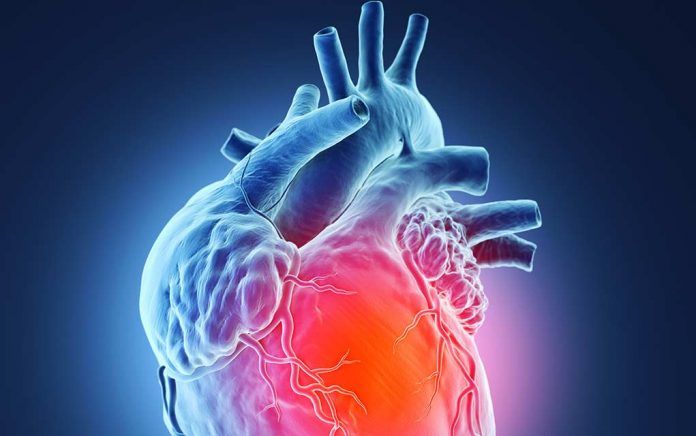
“Heart disease” is a broad term for a range of conditions that affect your heart. It is often used interchangeably with “cardiovascular disease,” which generally refers to conditions involving narrowed or blocked blood vessels that can lead to a heart attack, chest pain (angina), or stroke.

It is the leading cause of death globally for both men and women.

ecg biatrial enlargement

Bi-Atrial Enlargement: A Comprehensive Review

Bi-Atrial Enlargement (BAE), also known as bi atrial enlargement or dilation, is a cardiac condition characterized by the enlargement of both the left atrium (LA) and the right atrium (RA). It is not a primary disease but a pathophysiological consequence of chronically elevated pressure and/or volume overload within the cardiac chambers. Bi-Atrial Enlargement often signifies […]

Bi-Atrial Enlargement: A Comprehensive Review Read More »

Blood Pressure Monitor Calibration

The Essential Guide to Blood Pressure Monitor Calibration

Blood Pressure Monitor Calibration is not merely a technical maintenance task—it is a critical component of effective cardiovascular health management. An uncalibrated monitor can provide dangerously misleading data, potentially leading to incorrect treatment decisions. This definitive guide covers why, when, and how to ensure your monitor’s accuracy through proper Blood Pressure Monitor Calibration What is

The Essential Guide to Blood Pressure Monitor Calibration Read More »

Surgery: A Comprehensive Overview

Surgery is a medical specialty that uses operative manual and instrumental techniques on a person to investigate or treat a pathological condition such as a disease or injury, to help improve bodily function, appearance, or to repair unwanted ruptured areas. The act of performing surgery is called a surgical procedure, operation, or simply surgery. A surgeon is the medical professional who performs operations. Key Classifications

Surgery: A Comprehensive Overview Read More »

What is a Heart Transplant?

A heart transplant is a major surgical procedure in which a failing, diseased heart is replaced with a healthier heart from a deceased organ donor. It is a last-resort treatment for end-stage heart failure when all other therapies have failed. Primary Reasons (Indications) Conditions leading to a transplant include: The Transplant Process: Step-by-Step 1. Evaluation & Listing

What is a Heart Transplant? Read More »

STEMI 

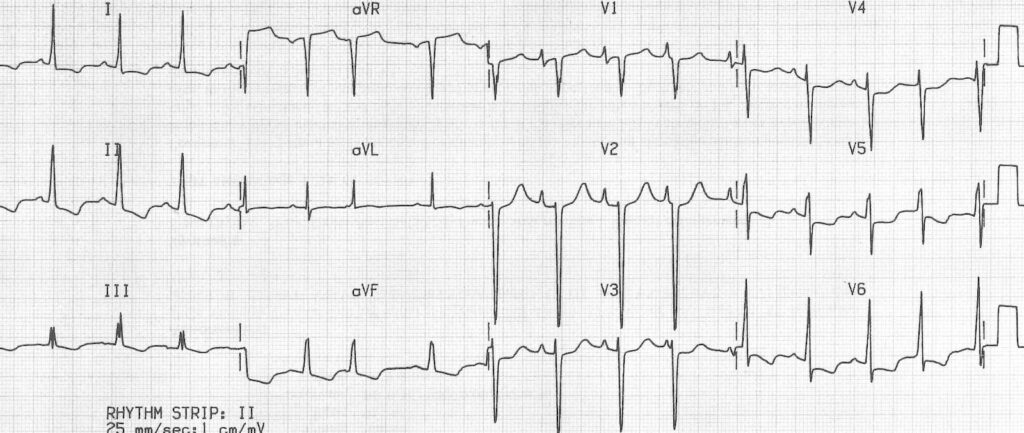
STEMI (ST-Elevation Myocardial Infarction) is a critical medical emergency characterized by complete blockage of a coronary artery, leading to extensive, transmural (full-thickness) heart muscle damage. The “ST-elevation” refers to a specific pattern on an electrocardiogram (ECG) where the ST segment is abnormally elevated above the baseline, indicating acute, ongoing myocardial injury. Pathophysiology: The “Widow-Maker” Mechanism A STEMI typically occurs

STEMI  Read More »

mitral valve regurgitation ICD-10

The precise application of mitral valve regurgitation ICD-10 codes is an essential junction where clinical cardiology meets healthcare administration. This system provides the standardized language for diagnosing, treating, and managing reimbursement for a common yet potentially serious heart valve disorder. A thorough understanding of mitral valve regurgitation ICD-10 protocols ensures accurate medical records, appropriate resource

mitral valve regurgitation ICD-10 Read More »

pleva skin disease

pleva skin disease: Symptoms, Causes, and Treatment Options Explained

PLEVA (Pityriasis Lichenoides et Varioliformis Acuta) is a rare, inflammatory skin disorder. It causes a sudden, rapidly changing rash that progresses from redness to blistering and crusting, potentially leaving small, pox-like scars. As the more acute and severe form within the pityriasis lichenoides spectrum, PLEVA is not contagious but its unpredictable and often symptomatic nature can cause significant

pleva skin disease: Symptoms, Causes, and Treatment Options Explained Read More »

heart disease screening

Early Detection Saves Lives: What to Know About heart disease screening

Heart disease screening is the proactive process of checking for cardiovascular disease and its risk factors in individuals who do not yet show symptoms. This foundational practice of preventive medicine operates on a powerful, evidence-based principle: identifying and managing risks early can dramatically alter a person’s health trajectory. Early detection through systematic heart disease screening allows for interventions

Early Detection Saves Lives: What to Know About heart disease screening Read More »

carcinoid heart disease

What is carcinoid heart disease? Causes and treatment explained

Carcinoid heart disease is a serious and complex complication of carcinoid syndrome, itself a condition caused by rare neuroendocrine tumors known as carcinoid tumors. It is a specific form of acquired heart disease where fibrous plaque-like deposits develop on the inner lining (endocardium) of the heart valves and chambers, primarily on the right side. This unique

What is carcinoid heart disease? Causes and treatment explained Read More »

ischemic heart disease icd-10

Complete Guide to ischemic heart disease icd-10 Codes (I20-I25)

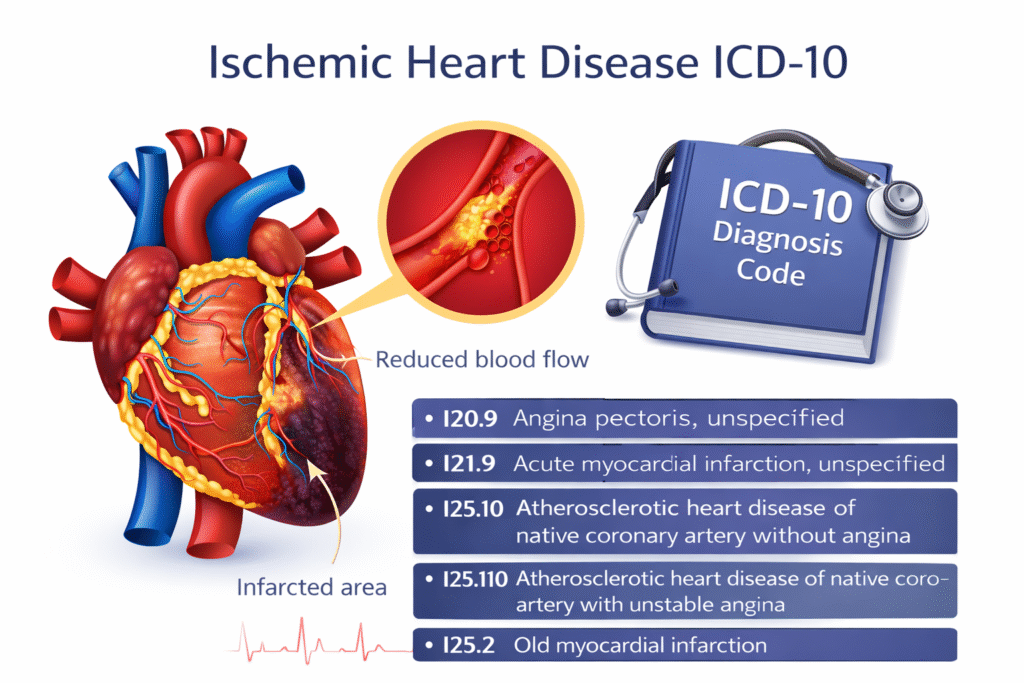
Ischemic Heart Disease ICD-10 refers to the specific set of alphanumeric codes that categorize conditions stemming from reduced blood flow (ischemia) in the coronary arteries. This reduction is primarily due to atherosclerosis—the buildup of plaque—which can lead to chest pain (angina), heart attacks, and chronic heart damage. Accurate use of these codes is vital for patient

Complete Guide to ischemic heart disease icd-10 Codes (I20-I25) Read More »