
Whooping cough, medically known as pertussis, is not just a bad cough. It is a highly contagious and potentially deadly respiratory infection, especially for infants. For babies under six months old, who are too young to be fully vaccinated, whooping cough can lead to severe complications like pneumonia, seizures, brain damage, and even death. The distinctive “whooping” sound that gives the disease its name may not even be present in infants, making it a silent and particularly dangerous threat. This guide is dedicated to providing parents, caregivers, and families with the essential knowledge and strategies to form a protective shield around their most vulnerable members through proactive whooping cough prevention.

Understanding the Threat: Why Whooping Cough is So Dangerous for Infants
Whooping cough is caused by the bacterium Bordetella pertussis. It spreads through tiny droplets when an infected person coughs or sneezes. What makes it so severe in babies is a combination of factors:
- Immature Immune Systems: Newborns have no inherent immunity to whooping cough and are not born with protective antibodies from their mothers.
- Small Airways: An infant’s airways are tiny. The thick mucus and violent coughing fits characteristic of the disease can easily block these passages, making it difficult to breathe.
- Atypical Symptoms: Infants may not show the classic “whoop.” Instead, they may experience apnea (life-threatening pauses in breathing), appear to be gasping or gagging, or simply turn blue from lack of oxygen. They may also experience severe vomiting after coughing fits, leading to dehydration and weight loss.
- Rapid Progression: The disease can escalate from a mild cold to severe respiratory distress in a matter of days.
Complications of whooping cough in infants are alarmingly common and include pneumonia (the leading cause of death), convulsions, encephalopathy (brain disease), and rib fractures from severe coughing.
The Cornerstone of Prevention: The DTaP/Tdap Vaccine
Vaccination is the single most effective and scientifically proven strategy for whooping cough prevention. It is a safe and critical public health tool.
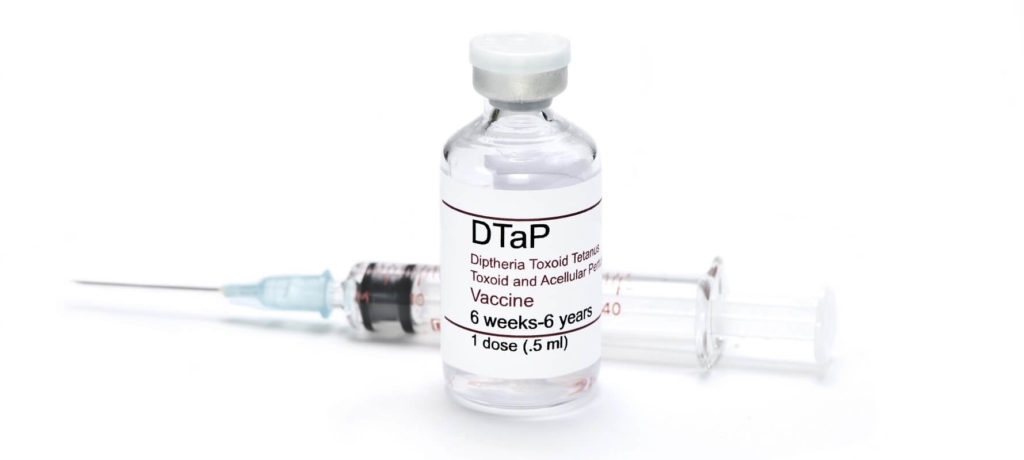
- The Infant Schedule (DTaP Vaccine): The DTaP vaccine protects against diphtheria, tetanus, and whooping cough. The Centers for Disease Control and Prevention (CDC) recommends a five-dose series for maximum protection:
- 2 months
- 4 months
- 6 months
- 15-18 months
- 4-6 years
It is crucial to adhere to this schedule. Babies do not develop adequate protection until they have received at least three doses. The first dose at 2 months is the starting line for building their personal defense.
- The “Cocooning” Strategy: Vaccinating Those Around the Baby (Tdap Vaccine): Because infants are most vulnerable before they can be fully vaccinated, protection must come from their environment. This is called “cocooning.” Whooping cough prevention demands that everyone who is in close contact with the newborn be up-to-date with their Tdap vaccine.
- Parents and Immediate Family: The mother should receive a Tdap vaccine during each pregnancy, ideally between 27 and 36 weeks of gestation. This allows her body to create protective antibodies that pass to the baby before birth, providing crucial short-term protection. Fathers, grandparents, and any siblings living in the home must also have a current Tdap booster.
- Other Caregivers: Anyone who will care for the baby—including nannies, babysitters, and daycare providers—should be vaccinated at least two weeks before meeting the baby.
Beyond Vaccination: Everyday Protective Habits
While vaccination forms the primary shield, additional hygiene and awareness practices are vital layers of whooping cough prevention.
- Limit Exposure in Early Months: Be cautious about taking your newborn into crowded, enclosed spaces (like shopping malls, airplanes, or large family gatherings) where exposure risk is higher, especially before their first set of vaccines.
- Practice Rigorous Hygiene: Insist that anyone who wants to hold the baby first washes their hands. Cover coughs and sneezes with a tissue or the elbow—not the hands. Dispose of tissues immediately.
- Be a Vigilant Advocate: Do not be afraid to ask friends, family, and healthcare providers about their vaccination status. A simple, “We’re cocooning our newborn. Are you up-to-date on your Tdap shot?” is a reasonable and responsible question.
- Know the Early Symptoms: Awareness is a powerful tool. Early whooping cough often mimics a common cold (runny nose, low-grade fever, mild cough). The key difference is that the cough gradually worsens over 1-2 weeks, turning into severe, rapid coughing fits. In infants, watch for any sign of breathing difficulty, changes in color (bluish skin), or exhaustion.
What to Do If You Suspect Whooping Cough
Time is critical. If your infant shows any signs of severe cough, breathing trouble, or apnea:
- Seek Medical Attention Immediately. Go to the emergency room or call your pediatrician without delay.
- Inform Healthcare Providers of your suspicion of whooping cough so they can take appropriate isolation precautions to protect others.
- Expect Testing and Treatment: Diagnosis is typically confirmed with a nasal swab. Treatment involves antibiotics (like azithromycin), which can help reduce the severity and shorten the contagious period if given early. Hospitalization is often required for infants to provide respiratory support, oxygen, and intravenous fluids.
Conclusion: A Community Responsibility
Whooping cough prevention is not solely a parent’s duty; it is a community commitment. It relies on high vaccination rates across the population to create “herd immunity,” which indirectly protects those who are too young or medically unable to be vaccinated. By ensuring you, your family, and your community are vaccinated, practicing good hygiene, and staying informed, you build the safest possible environment for every new life. Keeping babies safe from whooping cough is an achievable goal, reached through knowledge, vigilance, and the powerful, protective tool of vaccination.