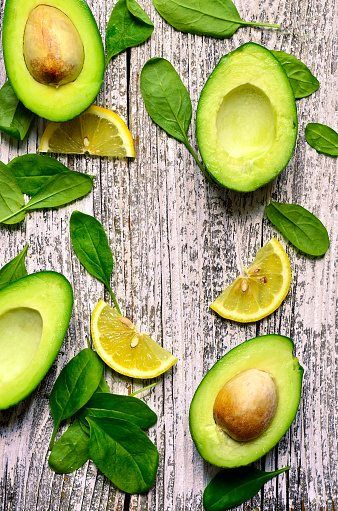
Often called a superfood, avocados are a unique and nutritionally dense fruit. Unlike most fruits that are high in carbohydrates, avocados are renowned for their high content of healthy fats, making them a versatile and incredibly beneficial addition to any diet. This guide breaks down their impressive nutritional profile, science-backed health benefits, and practical tips for selecting, ripening, and enjoying them.
The Nutritional Profile of Avocados
A standard serving (about one-half or 100 grams of a medium avocado) provides a powerful blend of macronutrients, vitamins, and minerals:
- Healthy Fats (Approx. 15g): Primarily monounsaturated fat (specifically oleic acid), the same heart-healthy fat found in olive oil.
- Dietary Fiber (Approx. 7g): Contributes significantly to daily fiber needs, aiding digestion and promoting satiety.
- Low in Carbs & Sugar: Contains only about 9g of carbohydrates, with less than 1g of sugar, making it a keto-friendly food.
- Rich in Vitamins & Minerals: An excellent source of Vitamin K, Folate, Vitamin C, Potassium (even more than a banana), Vitamin E, and B Vitamins.
- Antioxidants: Contains lutein and zeaxanthin, which are crucial for eye health.
Top Health Benefits of Avocados
The unique nutrient composition of avocados translates into several evidence-based health advantages:
- Promotes Heart Health: The monounsaturated fats and potassium in avocados help lower LDL (“bad”) cholesterol, reduce triglycerides, and regulate blood pressure, all key factors in supporting cardiovascular health.
- Supports Digestive Health & Weight Management: The high fiber and fat content promote a feeling of fullness (satiety), which can help reduce overall calorie intake. Fiber also feeds the beneficial gut bacteria, essential for a healthy digestive system.
- Enhances Nutrient Absorption: Avocados are a “nutrient booster.” The fats they contain significantly increase the body’s absorption of fat-soluble vitamins (A, D, E, K) and antioxidants like beta-carotene from other vegetables eaten in the same meal (e.g., in a salad).
- Excellent for Skin & Eye Health: The antioxidants Vitamin E and lutein protect skin cells from oxidative damage and help filter harmful blue light, supporting long-term eye health and reducing the risk of macular degeneration.
How to Eat Avocados: Selection, Ripening & Preparation
How to Select and Ripen
- Choosing: Look for avocados that are firm but yield to gentle, consistent pressure. Avoid fruit with large indentations or cracks.
- Ripening: To ripen a hard avocado, place it in a paper bag at room temperature with a banana or apple (they release ethylene gas, a natural ripening agent). This usually takes 2-5 days.
- Slowing Ripening: Once ripe, refrigerate to slow down the process for several days.
Simple & Delicious Ways to Eat Avocados
Beyond classic guacamole, avocados are incredibly versatile:
| Meal Occasion | Ideas for Using Avocados |
|---|---|
| Breakfast | Sliced on toast with an egg, blended into a smoothie for creaminess, or as a side. |
| Lunch | Sliced in salads, sandwiches, and wraps, or as a creamy base for dressings. |
| Dinner | Diced as a topping for tacos, chili, or baked potatoes, or sliced alongside grilled fish or chicken. |
| Snacks | Simply halved and eaten with a spoon (a dash of salt or everything bagel seasoning optional). |
Pro Tip: To prevent browning after cutting, squeeze a little lemon or lime juice over the exposed flesh and store it in an airtight container in the fridge.
Conclusion
Avocados are much more than a trendy toast topping. They are a nutritional powerhouse that supports heart health, aids digestion, helps manage weight, and boosts the nutritional value of your entire meal. Their creamy texture and mild flavor make them an easy and delicious ingredient to incorporate into daily meals.
Can avocados help lower blood pressure?
Yes, avocados can help support healthy blood pressure. Their primary benefit comes from being an excellent source of potassium, a mineral that counterbalances sodium in the body.
🩺 How Avocados Help Manage Blood Pressure
Avocados contain three key nutrients that work together for heart health:
- Potassium: This is the star nutrient. It helps your kidneys flush out excess sodium, which directly helps lower blood pressure. Half an avocado provides about 360mg of potassium.
- Monounsaturated Fats: These heart-healthy fats help improve cholesterol levels, supporting overall cardiovascular health.
- Fiber: With nearly 7g per 100g, the fiber in avocados aids in weight management and long-term heart health, both important for blood pressure control.
🥗 How to Use Avocados for This Benefit
For the best results, incorporate avocados into a balanced diet:
- Recommended Amount: Research suggests eating about half to one avocado, several times a week.
- Diet Context: They are a perfect fit for the DASH diet (Dietary Approaches to Stop Hypertension), which emphasizes potassium-rich foods.
- Simple Ideas: Add slices to salads, mash on whole-grain toast, blend into smoothies, or use to make healthy dressings.
⚠️ Key Points to Remember
- Part of a Whole Plan: Avocados are a supportive food, not a cure. Reducing sodium intake remains crucial.
- Watch Portions: They are calorie-dense. A typical serving (1/3 of an avocado) has about 84 calories.
- Consult a Professional: If you have kidney disease or take certain medications (like some blood pressure drugs or diuretics), check with your doctor before significantly increasing your avocado intake, as it affects potassium levels.
In summary, enjoying avocados regularly as part of a heart-healthy diet can be a delicious and effective strategy to help manage blood pressure.