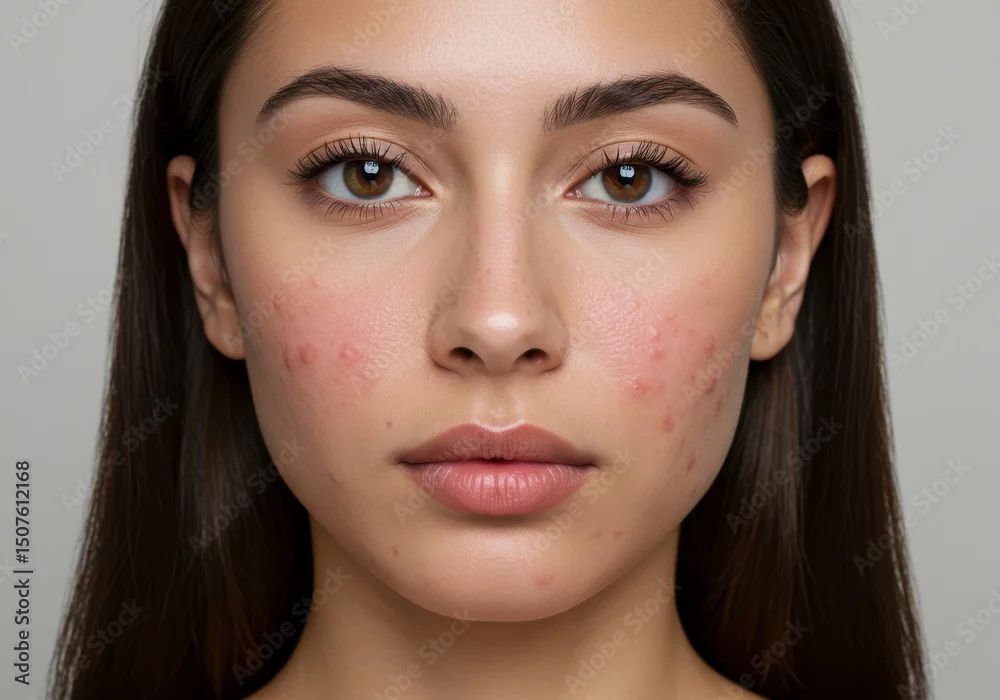
Dermatologists recommend key ingredients like salicylic acid (to unclog pores), benzoyl peroxide (to kill bacteria), and retinoids (to boost cell turnover) for acne-prone skin, along with supportive ingredients such as niacinamide (to control oil production and reduce redness), azelaic acid (antibacterial and anti-inflammatory), and hyaluronic acid (to hydrate) to control breakouts and maintain healthy skin. A balanced routine also includes gentle cleansing, moisturizing, and daily use of sunscreen to prevent and protect skin from irritation caused by treatments.
The Pillars of Acne-Prone Skin Treatment: Four Key Players
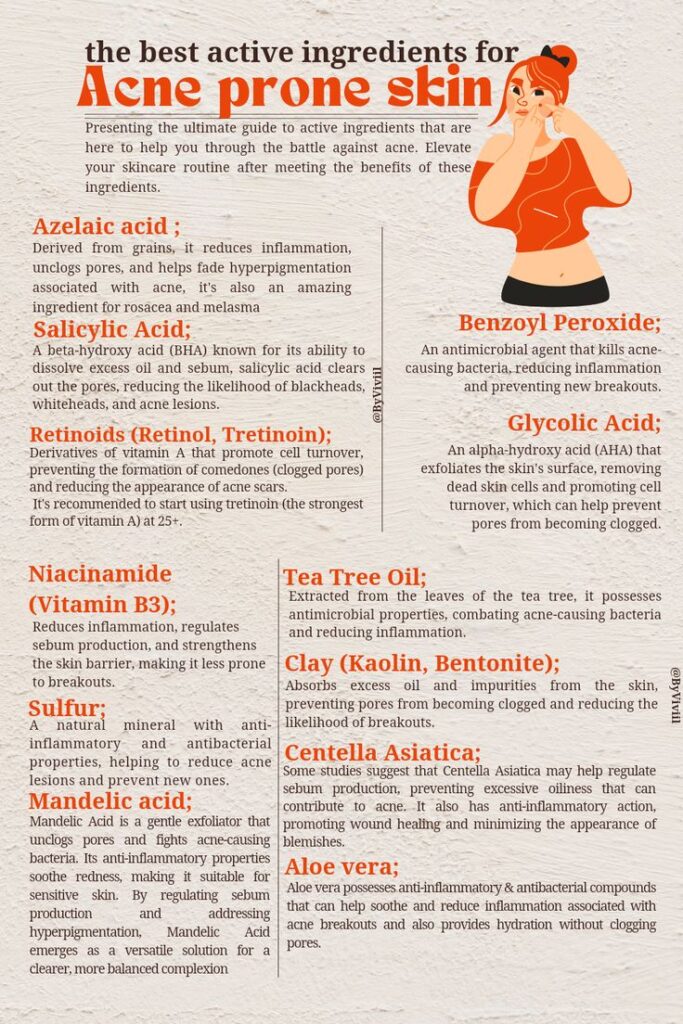
- Leading Cell Regenerators (Retinoids)
These vitamin A derivatives are the gold standard for preventing clogged pores and reducing the appearance of acne.
How they work:
- These regenerators accelerate skin cell turnover, preventing dead cells from clogging pores. They also reduce inflammation and stimulate collagen production.
Key Products:
- Retinol (over-the-counter): An excellent choice to start with. It is converted to retinoic acid in the skin and is effective in treating mild to moderate acne and improving skin texture.
- Adapalene (Differin®, over-the-counter): A retinoid specifically designed for acne. It is more stable and less irritating than some older retinoids and is highly effective at preventing clogged pores.
- Prescription Retinoids (Tretinoin, Tazarotene): The strongest options for treating stubborn, cystic, or severe acne.
Pro tip:
- Start with a small amount (two to three nights a week). Use a pea-sized amount for your entire face, applying it to dry skin after cleansing. Moisturizing is essential.
- Antibacterial and Exfoliating Agents (Salicylic Acid and Benzoyl Peroxide)
These are your first line of defense against existing blemishes.
Salicylic Acid (Beta Hydroxy Acid – BHA):
- How it works: It dissolves in oil, meaning it penetrates pores to dissolve the mixture of oil and dead skin cells that clog them. It’s anti-inflammatory and a gentle exfoliant.
- Best for: Blackheads, whiteheads, and generally clogged pores. Excellent in face washes (for short-term use) or leave-in treatments (2% concentration).
Benzoyl Peroxide (BPO):
- How it works: It kills acne-causing bacteria (acne bacteria) directly and helps unclog pores. It’s one of the fastest ways to get rid of red, inflamed pimples.
- Best for: Inflammatory acne (painful red bumps and pimples). May cause bleaching, so use white towels and pillowcases.
- Note: May cause dryness. Start with a low concentration (2.5% or 5%); higher concentrations are not always better.
- Multi-Benefit Acids (Alpha Hydroxy Acids – AHAs)
While beta hydroxy acids (BHAs) penetrate pores, alpha hydroxy acids work on the skin’s surface.
- How they work: These acids dissolve the bonds between dead skin cells, promoting gentle exfoliation, improving skin texture, and helping to lighten post-inflammatory hyperpigmentation (dark spots).
- Key ingredients: Glycolic acid (smallest molecule, penetrates the skin well), lactic acid (gentler and hydrating).
- Best for: Improving skin texture, brightening dullness, and fading acne scars. It is recommended to use it with beta hydroxy acids (BHAs) for comprehensive care.
- Soothing Agents (Niacinamide and Azelaic Acid)
Acne-prone skin is often inflamed. These ingredients soothe the skin without compromising its effectiveness.
Niacinamide (Vitamin B3):
- How it works: A multi-benefit product. It reduces inflammation, regulates oil production, strengthens the skin barrier, and helps reduce redness. It works perfectly with most other acne treatment ingredients.
- Best for: All people with acne-prone skin. It is recommended to use it daily, often in a serum or moisturizer (5-10% concentrations are ideal).
Azelaic Acid (Prescription and Over-the-Counter):
- How it works: Antimicrobial, anti-inflammatory, and helps regulate keratinization (the skin’s exfoliation process). It is also very effective in treating redness and dark spots.
- Best for: Those suffering from acne accompanied by rosacea or stubborn acne scars.
A simple and effective framework:
Morning: Gentle cleanser → Niacinamide serum → Oil-free, non-comedogenic moisturizer → Sunscreen (absolutely essential! Many acne treatments increase skin sensitivity to the sun).
Evening: Oil-based cleanser (to remove sunscreen/makeup) → Gentle, water-based cleanser → Active treatment (alternate between retinoid, beta hydroxy acid, or alpha hydroxy acid on different nights) → Moisturizer.
Ingredients to avoid (or use with caution):
While not generally harmful, these ingredients can cause problems for those with highly sensitive, acne-prone skin:
- Heavy oils and butters that clog pores: Coconut oil, cocoa butter, and some products rich in mineral oils can clog pores for some people.
- Products with strong fragrances: Fragrances (both natural and synthetic) are common irritants that can worsen inflammation.
- Over-exfoliation: Frequent use of too many acids or physical exfoliants can damage the skin barrier, leading to increased oil production, redness, and breakouts.