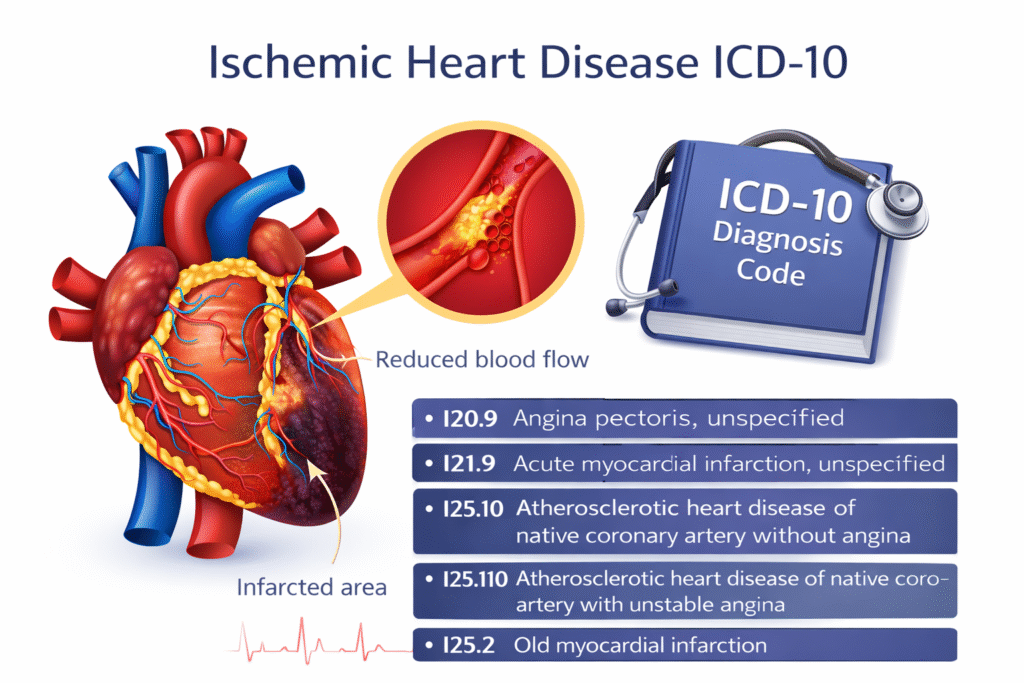
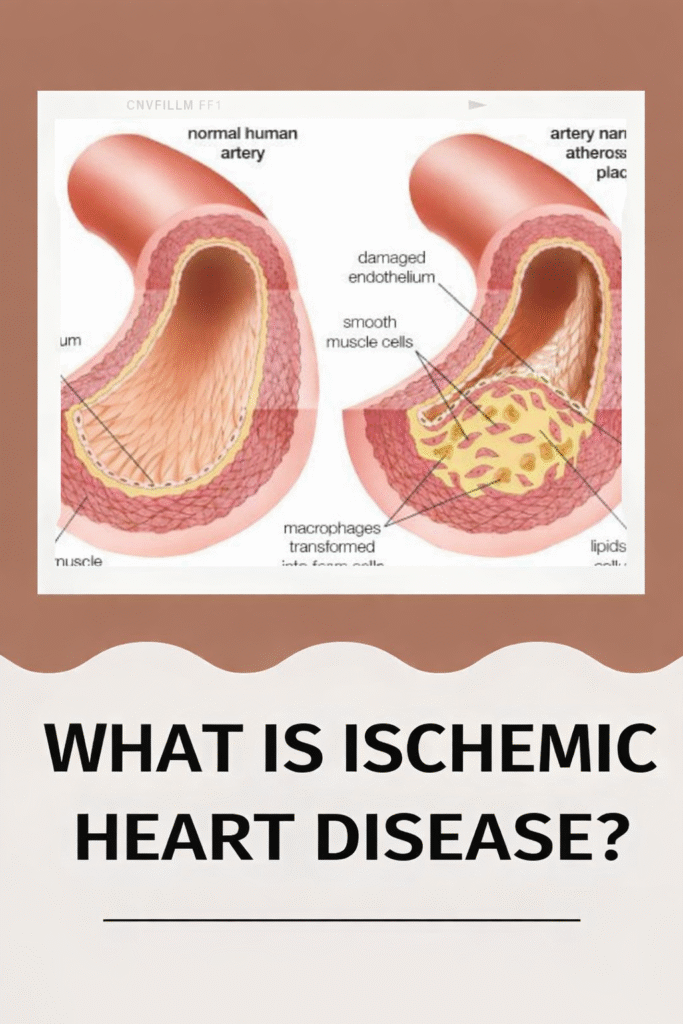
Ischemic Heart Disease ICD-10 refers to the specific set of alphanumeric codes that categorize conditions stemming from reduced blood flow (ischemia) in the coronary arteries. This reduction is primarily due to atherosclerosis—the buildup of plaque—which can lead to chest pain (angina), heart attacks, and chronic heart damage. Accurate use of these codes is vital for patient diagnosis, treatment planning, statistical tracking of heart disease prevalence, medical billing, and clinical research. The entire spectrum of ischemic heart conditions is contained within the parent code block I20-I25.

Detailed Breakdown of the I20-I25 Code Block
Each range within I20-I25 specifies a distinct clinical diagnosis. The table below provides a structured overview.
The ICD-10 code block I20-I25 systematically classifies all forms of ischemic heart disease. Each specific range within this block corresponds to a distinct clinical diagnosis, progressing from conditions involving chest pain to chronic, long-term disease.
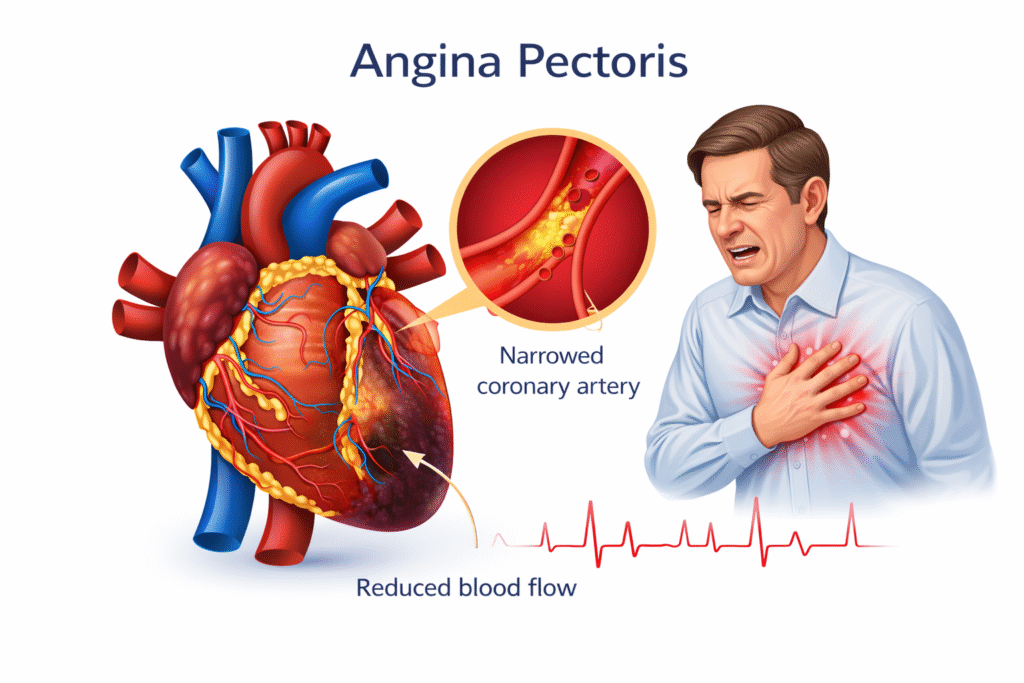
The I20 range is designated for Angina Pectoris, which codes for chest pain or discomfort that occurs when the heart muscle doesn’t get enough oxygen-rich blood. Common examples within this category include unstable angina (I20.0), a more serious and unpredictable form, and angina pectoris with documented coronary artery spasm (I20.1).
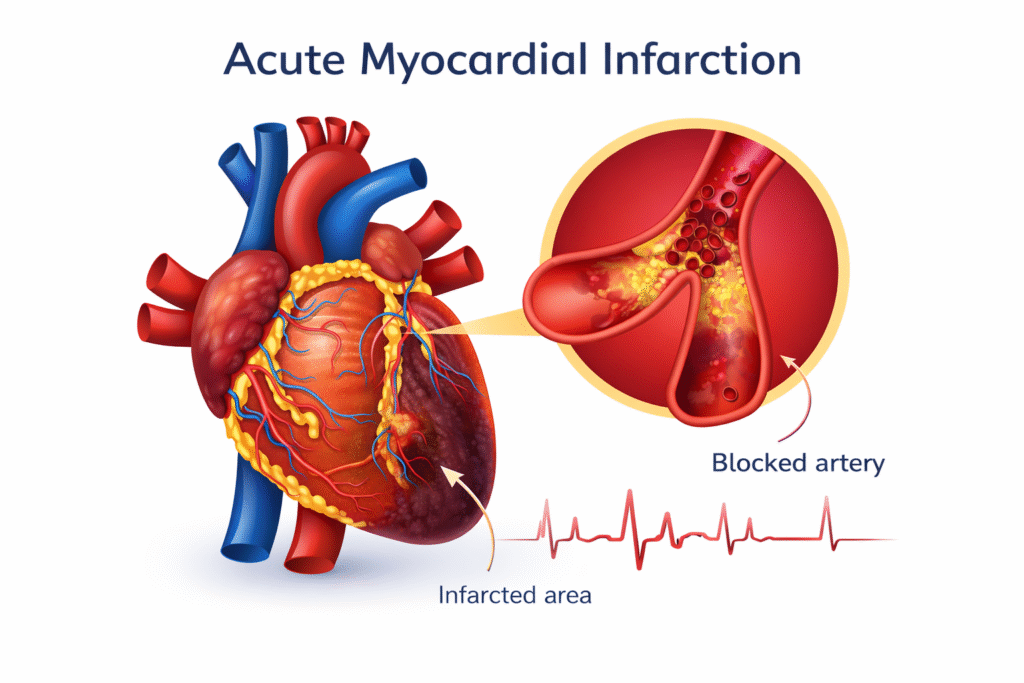
The I21 range covers Acute Myocardial Infarction, which is the clinical term for a heart attack. This category is used to code a sudden, complete blockage of a coronary artery that leads to damage of the heart muscle. Specific examples are highly detailed, such as an ST-elevation myocardial infarction (STEMI) of the anterior wall (I21.01) or a subsequent non-ST elevation myocardial infarction (NSTEMI) coded as I21.4
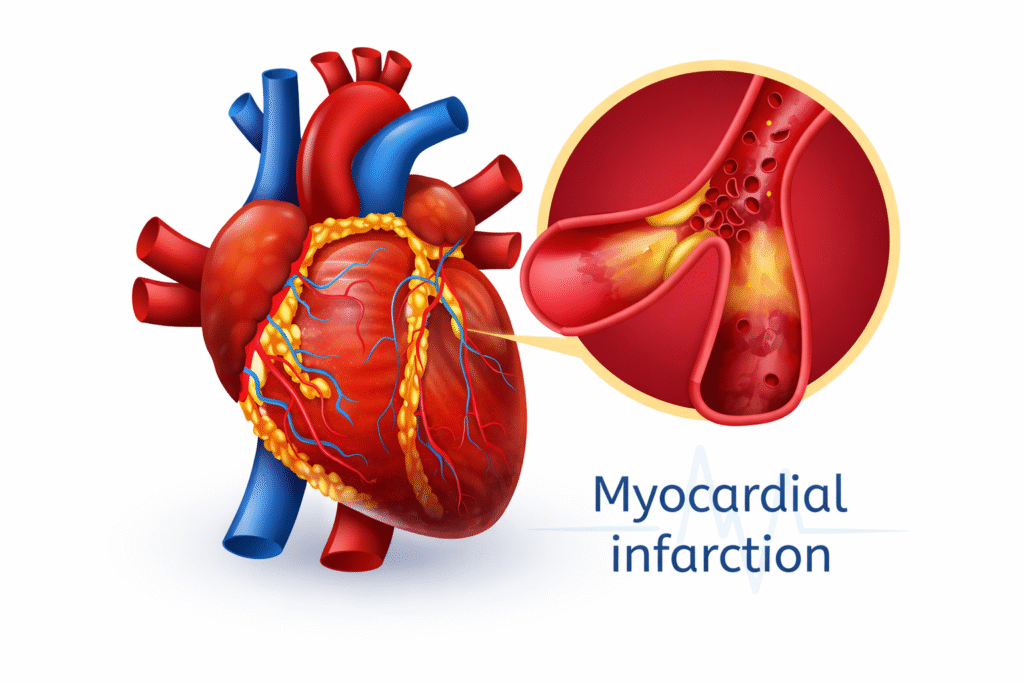
The I22 range is for Subsequent Myocardial Infarction. This specific category is used when a patient experiences a new, distinct heart attack within 4 weeks (28 days) of an initial acute myocardial infarction, requiring separate documentation from the first event.
The I23 range codes for Complications Following Acute MI. This category addresses specific health issues that can arise as a direct consequence of a recent heart attack during the 28-day acute period. Examples include hemopericardium, which is blood in the sac surrounding the heart (I23.0), or an atrial septal defect, a hole in the wall between the heart’s upper chambers (I23.1).
The I24 range encompasses Other Acute Ischemic Heart Diseases. This category is for acute coronary conditions that do not result in actual heart muscle death (infarction). Examples include acute coronary thrombosis without infarction (I24.0) and Dressler’s syndrome (I24.1), which is inflammation of the pericardium following a heart injury.
Finally, the I25 range is for Chronic Ischemic Heart Disease. This broad category codes for long-standing, persistent conditions resulting from reduced blood flow. Key examples are atherosclerotic heart disease of the native coronary arteries (I25.1-), an old, healed myocardial infarction (I25.2), and ischemic cardiomyopathy (I25.5), where chronic ischemia has weakened the heart muscle.
3. Essential Coding Guidelines & Conventions
Correct application of Ischemic Heart Disease ICD-10 codes requires adherence to official rules.
- Code Specificity (5th/6th Characters): Most codes require additional digits. For example, I25.1 (Atherosclerotic heart disease) is incomplete. A valid code would be I25.110 (Atherosclerotic heart disease of native coronary artery with unstable angina pectoris).
- Use Additional Codes: Coders must report associated conditions concurrently.
- Hypertension: Always add a code from I10-I16 if the patient has hypertension.
- Tobacco Use: Include a code from F17.- if applicable (e.g., F17.210 for nicotine dependence).
- Critical “Excludes” Notes: These notes prevent coding errors.
- Excludes1: Means “do not code together.” Angina pectoris (I20) has an Excludes1 note for angina in atherosclerotic heart disease (I25.1-). Therefore, a patient with atherosclerotic heart disease and angina must only be coded with I25.1-, not I20.
- Sequencing (Primary Diagnosis): For an inpatient admission due to an acute heart attack, I21.- would be the principal/first-listed diagnosis. Chronic conditions like I25.- are listed as additional diagnoses if they coexist.
Clinical Relevance and Application
Beyond billing, Ischemic Heart Disease ICD-10 codes are crucial for:
- Patient Care: Provides a standardized language for diagnoses across healthcare systems.
- Public Health & Epidemiology: Enables tracking of disease incidence (new cases) and prevalence (total cases) to identify trends and allocate resources.
- Quality Reporting & Research: Used in registries (like chest pain or heart attack registries) to measure treatment outcomes and drive clinical research.
How to Find the Correct Ischemic Heart Disease ICD-10 Code
- Start with the Alphabetical Index: Look up the main term (e.g., “Ischemia, heart,” “Infarction, myocardium,” “Arteriosclerosis, coronary”).
- Verify in the Tabular List (I20-I25): Never code from the index alone. Always go to the numeric listing to review all inclusion terms, excludes notes, and instructions for additional characters or codes.
- Consult Official Guidelines: The annual *ICD-10-CM Official Guidelines for Coding and Reporting* (from CMS and NCHS) provide definitive rules, especially for complex scenarios like coding acute vs. chronic conditions.
Key Distinctions and Common Pitfalls
- Acute vs. Chronic: Codes from I21 (acute MI) and I25 (chronic IHD) are generally mutually exclusive for the same episode of care. An old, healed MI is coded to I25.2, not I21.
- “Subsequent” MI (I22): Only used for a new, distinct infarction occurring within 28 days of the initial one. It is not for a follow-up visit for the same infarction.
- Atherosclerotic Heart Disease (I25.1-): This is often the underlying cause. Remember to add the 5th/6th character to specify the vessel (native or graft) and presence/type of angina.
Frequently Asked Questions (FAQs)
Q1: What is the most common ICD-10 code for stable coronary artery disease?
A: I25.10 (Atherosclerotic heart disease of native coronary artery without angina pectoris) is a frequently used code for asymptomatic or stable CAD.
Q2: How do I code a patient with a history of a heart attack 5 years ago who now has chest pain?
A: This requires two codes: 1) I25.2 (Old myocardial infarction) for the history, and 2) A code from I20.- (e.g., I20.9 for unspecified angina) for the current chest pain, provided the pain is not directly linked to the old infarct.
Q3: Where can I find the most up-to-date official codes?
A: The Centers for Disease Control and Prevention (CDC) and the Centers for Medicare & Medicaid Services (CMS) are the authoritative U.S. sources for the ICD-10-CM code set and official guidelines.
✅ Key Takeaways
Mastering Ischemic Heart Disease ICD-10 codes is essential for accurate clinical documentation and healthcare operations. Remember to always:
- Code to the highest level of specificity (5th/6th character).
- Follow “Excludes” notes and “Use Additional Code” instructions.
- Distinguish carefully between acute events (I21, I24) and chronic conditions (I25).
For the absolute latest codes and official coding guidelines, always refer directly to the CDC’s ICD-10-CM website or the CMS ICD-10 portal.