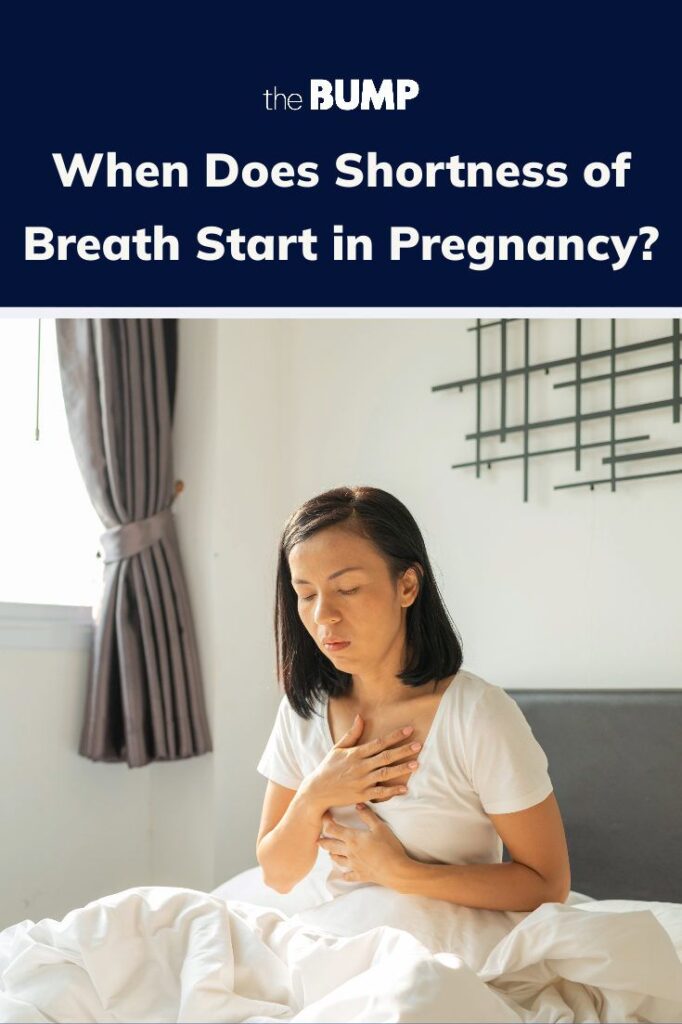
Experiencing Shortness of Breath Pregnancy First Trimester can be one of the most surprising and sometimes unnerving early symptoms. While many expect to feel breathless in the third trimester when the baby is large, feeling winded just weeks into your pregnancy is common. This complete guide will explain why it happens, differentiate between normal and concerning signs, and provide actionable strategies for relief, specifically tailored to the Shortness of Breath Pregnancy First Trimester experience.

Understanding the “Why”: Causes in the First Trimester
The primary drivers of Shortness of Breath Pregnancy First Trimester are profound hormonal and physiological changes that begin immediately, long before your baby bump appears.
- The Hormonal Surge (Progesterone): The most significant cause is the dramatic rise in the hormone progesterone. This hormone acts as a powerful respiratory stimulant. It signals your brain to lower carbon dioxide levels in your blood, which causes you to breathe more frequently and deeply, even at rest. This ensures a rich supply of oxygen is available for both you and your developing embryo from the earliest stages.
- Increased Blood Volume: To support the placenta and fetus, your body begins increasing its total blood volume by 30-50% as early as 6-8 weeks. Your heart works harder to pump this extra blood, which can increase your heart rate and create a sensation of breathlessness, especially during mild physical activity.
- Metabolic Changes: Your basal metabolic rate rises to fuel the enormous task of building a new life. This process consumes more oxygen and produces more carbon dioxide, further contributing to the feeling that you need to take more breaths.
- Red Blood Cell and Iron Dynamics: While plasma (the liquid part of blood) increases rapidly, the production of red blood cells (which carry oxygen) lags slightly. This can lead to a relative dilution of red blood cells, a state called physiological anemia of pregnancy, which can contribute to feelings of fatigue and breathlessness.
Is It Normal? Identifying Typical vs. Concerning Symptoms
For the vast majority, Shortness of Breath Pregnancy First Trimester is a normal, healthy adaptation. Typical characteristics include:
- A feeling of “air hunger” or inability to take a satisfyingly deep breath.
- Occurs during mild exertion like walking, talking while walking, or climbing stairs.
- Comes and goes and is not associated with pain.
- May be more noticeable when lying flat on your back.
It is crucial to contact your healthcare provider immediately if your breathlessness is sudden, severe, or accompanied by any of the following “red flag” symptoms:
- Chest pain, pressure, or tightness
- Palpitations (a racing, pounding, or irregular heartbeat)
- Dizziness, lightheadedness, or feeling faint
- A persistent cough, wheezing, or high fever (to rule out respiratory infection, asthma, or COVID-19)
- Bluish tint to lips, fingers, or skin (cyanosis)
- Significant worsening of symptoms when lying flat that isn’t relieved by propping up
Practical Management and Relief Strategies
You cannot stop the hormonal shifts causing Shortness of Breath Pregnancy First Trimester, but you can effectively manage the sensation.
- Optimize Your Posture: Practice sitting and standing up straight. Slouching compresses your lungs and diaphragm. When sitting, use a supportive chair and consider a small pillow behind your lower back to keep your chest open.
- Practice Paced Breathing: When you feel short of breath, don’t panic. Stop your activity. Inhale slowly and deeply through your nose for a count of four, allowing your belly to expand. Then, exhale slowly and completely through pursed lips for a count of six. This diaphragmatic breathing maximizes oxygen exchange and has a calming effect on your nervous system.
- Sleep Smarter: As the uterus grows, it can put pressure on major blood vessels when you lie flat. Start sleeping propped up with extra pillows or a wedge pillow under your upper back and head. Sleeping on your left side is also ideal for circulation.
- Pace Your Activities: Redefine “normal” pace. Slow down and take breaks before you feel completely winded. Break tasks into smaller steps and listen to your body’s new signals.
- Stay Cool and Hydrated: Overheating increases your body’s demand for oxygen. Dress in layers, keep your environment cool, and drink plenty of water throughout the day to support your increased blood volume.
- Maintain Gentle Activity: If approved by your doctor, continue with gentle, low-impact exercises like walking or prenatal yoga. This helps improve overall cardiovascular efficiency and lung capacity over time.
Key Takeaways and When to Talk to Your Doctor
Experiencing Shortness of Breath Pregnancy First Trimester is a very common sign that your body is performing the extraordinary work of early pregnancy. It is primarily a hormonal and cardiovascular adaptation, not a sign of a problem for most.
You should always discuss this symptom at your prenatal appointments. Bring it up even if it feels mild. Your provider can:
- Reassure you that it’s a normal part of your unique pregnancy journey.
- Check your iron levels to rule out or address iron-deficiency anemia, which can exacerbate breathlessness.
- Review your medical history (e.g., for pre-existing asthma or other conditions).
- Provide personalized advice tailored to your health.
Navigating Shortness of Breath Pregnancy First Trimester is about understanding the cause, implementing practical coping strategies, and maintaining open communication with your healthcare team. By doing so, you can manage this symptom with confidence as you progress in your pregnancy.