
Congratulations on your pregnancy! Embarking on this incredible 40-week journey is an experience filled with profound changes, new sensations, and growing anticipation. Understanding the path ahead can be both empowering and reassuring. This guide is designed to be your companion, walking you through the development milestones, common symptoms, and practical tips for each stage of your pregnancy.

Understanding the Timeline of Your Pregnancy
Your pregnancy is counted from the first day of your last menstrual period (LMP), which means your 40-week timeline begins before conception actually occurs. For the first two weeks, your body is preparing for ovulation. Conception typically happens around week three. These 40 weeks are divided into three distinct trimesters, each with its own set of developments and experiences.
Trimester-by-Trimester Breakdown
First Trimester: Weeks 1-13
The first trimester is a period of foundational, rapid development for your baby and significant adjustment for your body.
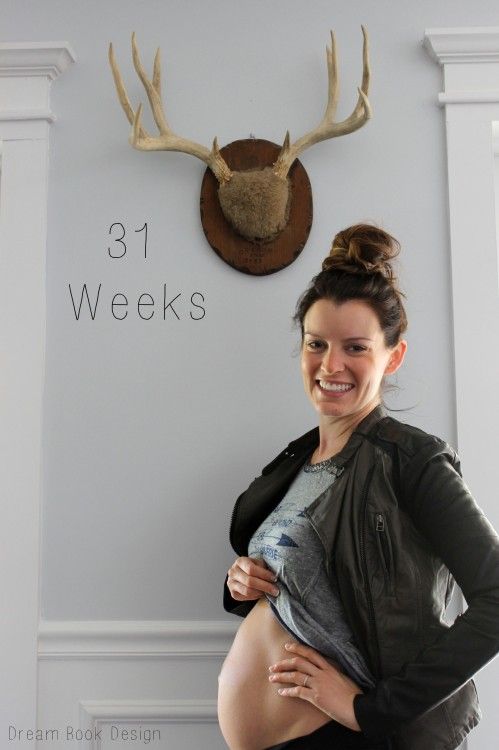
- Your Baby’s Development: The fertilized egg rapidly divides, implants in the uterine lining, and becomes an embryo. The tiny heart begins to beat as early as week 5, and by week 8, all major organs start forming. By the end of this trimester, the embryo graduates to being called a fetus, measuring about the size of a plum, with fully formed organs, limbs, and even fingerprints.
- Common Symptoms: You may experience fatigue, nausea (often called “morning sickness,” though it can occur at any time), breast tenderness, frequent urination, and food aversions.
- Key Tips & Actions:
- Schedule your first prenatal appointment.
- Start taking a daily prenatal vitamin containing at least 400 mcg of folic acid.
- Avoid alcohol, tobacco, recreational drugs, and certain foods like unpasteurized dairy, deli meats, and undercooked fish.
Second Trimester: Weeks 14-26

Often called the “honeymoon period” of pregnancy, many early symptoms subside, and energy levels often return, making this a wonderful time to connect with your growing baby.
- Your Baby’s Development: The fetus grows dramatically in length and weight. You will likely feel the first flutters of movement, known as “quickening,” between 16 and 20 weeks. The baby’s senses develop, and by week 20, a detailed anatomy ultrasound can check physical development and often reveal the baby’s sex.
- Common Symptoms: While nausea often fades, you might experience new symptoms like back pain, leg cramps, constipation, or heartburn as your belly grows. The “pregnancy glow” and a clearly visible baby bump often emerge during this time.
- Key Tips & Actions:
- Attend your mid-pregnancy ultrasound (anatomy scan) around 20 weeks.
- Complete a glucose screening test for gestational diabetes between 24-28 weeks.
- Consider signing up for childbirth education classes.
Third Trimester: Weeks 27-40+
You’re in the home stretch! The focus shifts to final growth and preparation for birth, making this a time of anticipation and final preparations.
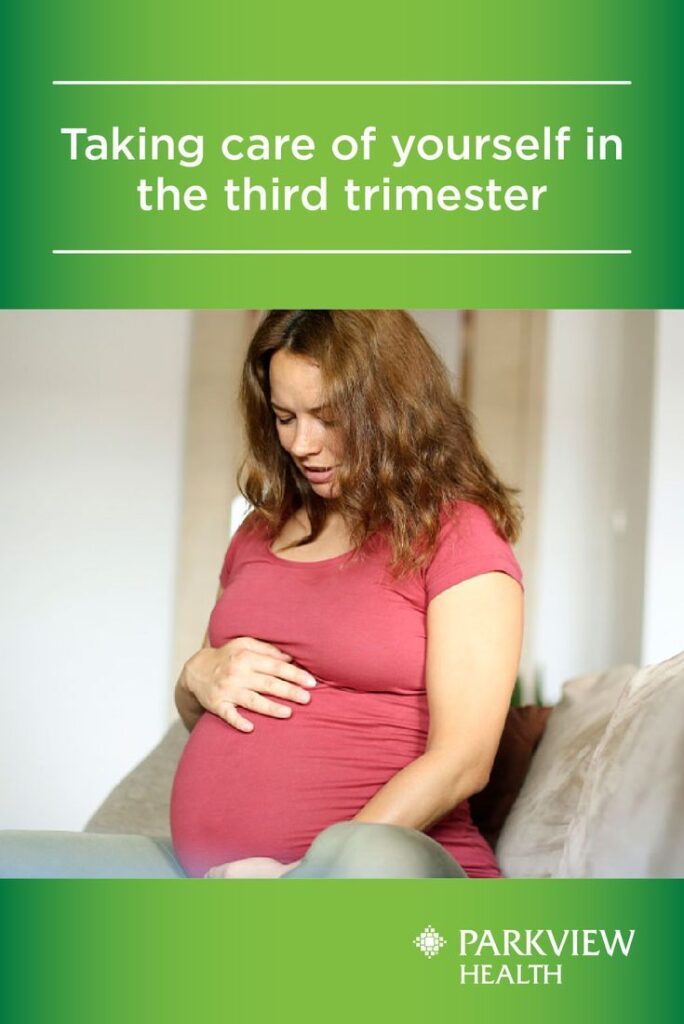
- Your Baby’s Development: The baby’s brain is undergoing a period of rapid growth, and the lungs are maturing to breathe air. The baby will likely move into a head-down position in preparation for birth. By 37 weeks, the pregnancy is considered full-term.
- Common Symptoms: Physical discomforts may increase, including shortness of breath, heartburn, hemorrhoids, trouble sleeping, and Braxton Hicks “practice” contractions. You may feel the baby “drop” lower into your pelvis (lightening), which can ease breathing but increase pelvic pressure.
- Key Tips & Actions:
- Prenatal appointments become more frequent (every two weeks, then weekly after 36 weeks).
- Discuss and get recommended vaccines, like Tdap and the flu shot.
- Pack your hospital bag and have the car seat installed.
- Finalize your birth plan preferences and discuss them with your healthcare provider.
Essential Tips for a Healthy Pregnancy
- Prenatal Care is Crucial: Regular check-ups are the cornerstone of a healthy pregnancy. They allow your provider to monitor your health and your baby’s growth, and to screen for any potential complications. Attending all appointments is one of the most important things you can do.

Nutrition & Exercise: Fuel your body and your baby’s growth with a balanced diet rich in fruits, vegetables, lean proteins, and whole grains. Stay well-hydrated and continue safe, moderate exercise like walking or prenatal yoga, as approved by your doctor.

- Know the Warning Signs: Always contact your provider immediately for urgent symptoms like severe abdominal pain, vaginal bleeding or fluid leakage, a sudden severe headache with vision changes, or a noticeable decrease in your baby’s movements.
- Practice Self-Care: Your well-being is vital. Prioritize rest, find healthy ways to manage stress, and lean on your partner, family, or a support group. Remember, taking care of yourself is taking care of your baby.
Conclusion
The key to a healthy pregnancy is a supportive partnership with your healthcare team. Attend all appointments, ask questions freely, and communicate any concerns you have. Remember, every pregnancy is unique. Focus on your own journey, trust your body, and embrace the incredible process of bringing a new life into the world. You’ve got this!
To Learn More, You Might Want to Explore:
- Deeper into Development: For a beautifully illustrated, week-by-week look at your baby’s growth, see the detailed guide from BabyCenter.
- Practical Checklists: For a concise, actionable list of what to do in each trimester (like when to take classes or pre-register at the hospital), the Texas Children’s Hospital Pregnancy Guide is very helpful.