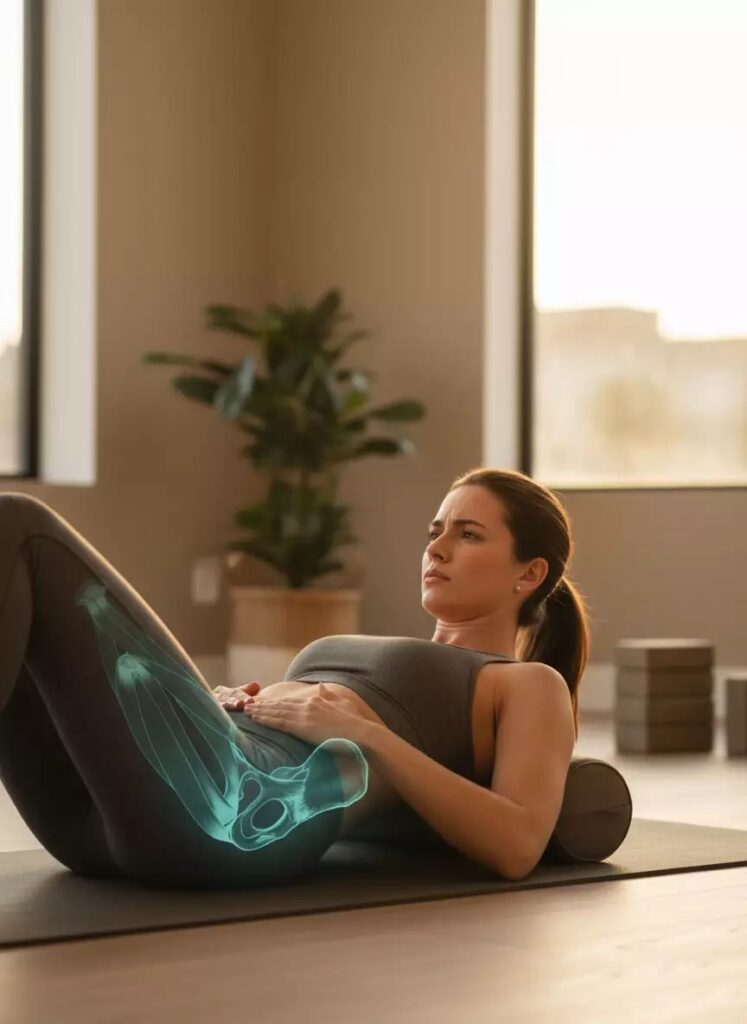
This beginner’s guide to pelvic floor exercises focuses on identifying and strengthening the muscles, particularly through Kegel exercises. These involve contracting and lifting (as if stopping the flow of urine) for 3-10 seconds, then relaxing, being careful not to tense the abdominal or gluteal muscles. Repeat the exercise 10-15 times several times a day, gradually progressing from lying down to standing, and incorporating other movements such as the bridge and squats. Resting between contractions and maintaining consistency are essential for building strength and control, with the possibility of gradually increasing the contractions to longer durations and different positions.
What are Pelvic Floor Exercises? (Beyond Kegel Exercises)

Pelvic floor exercises are guided movements designed to strengthen, coordinate, and relax the pelvic floor muscles. They can be considered a natural therapy for this vital internal muscle group.
And they’re not just one exercise. An effective pelvic floor exercise program includes:
- Strengthening Exercises (Kegel Exercises): The classic exercise of lifting and tightening the muscles. This develops the endurance to support the organs and maintain muscle contraction under pressure.
- Rapid Contractions: Quick, strong contractions to train the muscles to respond immediately to coughs or sneezes.
- Relaxation and Stretching: This is crucial. After contracting, you must relax completely. For many (especially those with pelvic pain or tightness), learning to relax and stretch these muscles is the primary goal.
- Coordination and Integration: Learning how to use your pelvic floor muscles in conjunction with your breathing and during functional movements such as squats or weightlifting.
A common misconception: Many people believe these exercises are limited to just pushing. In reality, pelvic health is about balance—having strong yet flexible muscles that can contract when needed and relax completely afterward.
Your First Pelvic Floor Exercises – Mastering the Basics
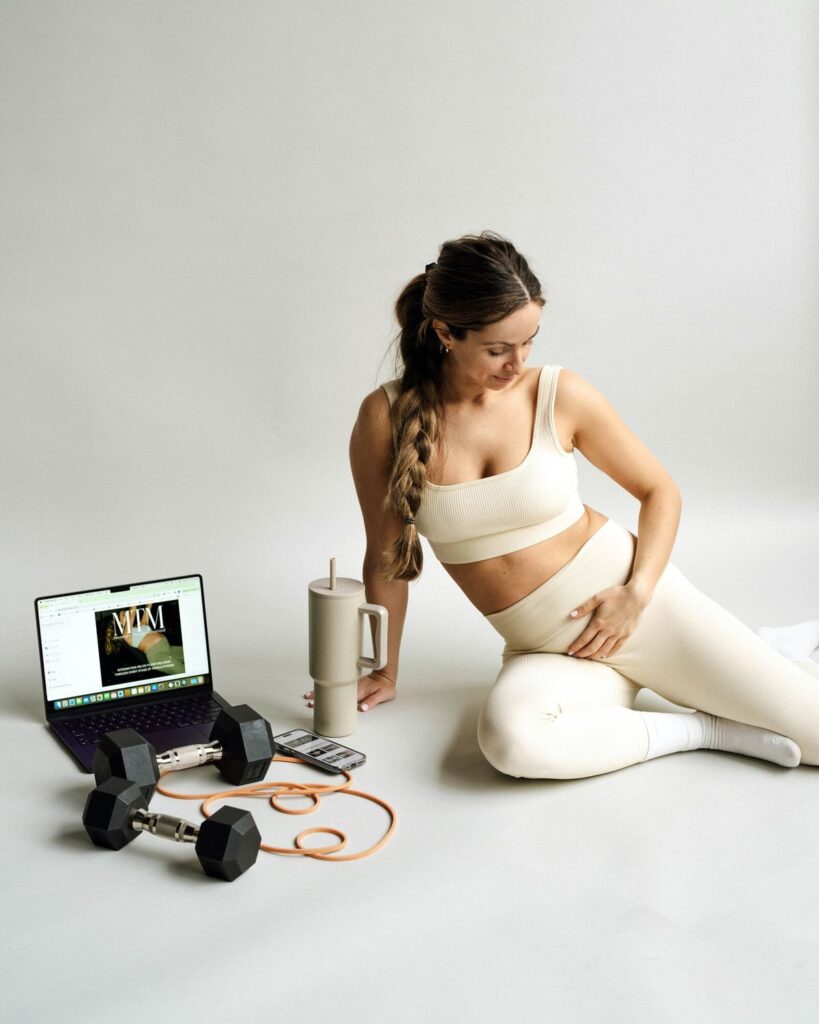
Start with these fundamental movements. Quality is more important than quantity!
- Basic Pelvic Floor Exercises (Lift and Hold)
- How to do it: Empty your bladder. Sit or lie down comfortably. Take a deep breath to prepare. As you exhale, gently lift your pelvic floor muscles (the “lift and squeeze” sensation). Hold this position for 3-5 seconds.
- Relax: Relax completely for 3-5 seconds. Feel your muscles fully relaxed. This rest phase is just as important.
- Beginning: Repeat 5 to 10 times, once or twice a day.
- Quick Lift (for a Fast Response)
- How to do it: Lift your pelvic floor muscles quickly and with as much force as possible, then release immediately. Focus on speed, not how long you hold.
- Benefit: This exercise helps you respond to sudden pressure (such as sneezing or jumping).
- Beginning: Do 10 quick lifts after a slow hold.
- Integration Exercise: Breathing with Pelvic Floor Muscles
- How to do it: Lie on your back with your knees bent. Place one hand on your chest and the other on your abdomen.
- Inhale: Gently let your abdomen rise, visualizing your pelvic floor muscles relaxing and dropping slightly.
- Exhale: Gently tighten your pelvic floor muscles as you feel your navel draw closer to your spine.
- Benefit: This exercise teaches you how to coordinate your pelvic floor muscles with your diaphragm (the main breathing muscle), which is essential for strengthening your core muscles.
The Golden Rule: Identify your muscles first (before you push!)
This is the most important step. Exercises may not be effective and could even worsen the problem.
- Toilet test (diagnostic only): While urinating, try to gently stop the flow of urine. The muscles you use are your pelvic floor muscles. Do not repeat this exercise regularly, as it may affect normal bladder function. Try it only once or twice for awareness.
- Visual cue: Imagine you are trying to stop passing gas, lifting a berry with your vagina (for women) or pulling your scrotum upward (for men). You should feel a lifting and contraction within your pelvis, not in your buttocks, thighs, or abdomen.
- What you should feel: An internal upward lifting sensation and a slight contraction. Place your hand on your lower abdomen; it should remain soft and firm.
When should you seek help and what are your next steps?
Strong pelvic floor exercises are characterized by their tone and coordination. If you:
- Don’t feel them contract at all.
- Experience pain during exercises.
- Experience persistent symptoms such as urinary incontinence or a feeling of heaviness in the pelvic area.
- Then it’s time to see a pelvic floor physical therapist. They are experts who can conduct a personalized assessment and provide guidance.
Your next steps:
- Week 1: Focus solely on Part 2: Identifying your muscles. Don’t repeat exercises. Just concentrate on increasing awareness of them.
- Week 2: Add 5 slow raises and 5 quick taps, once a day.
- Week 3: Increase to twice a day.
To continue: Incorporate breathing exercises, and consider adding functional exercises such as bridges and squats while maintaining your pelvic floor exercises tone.