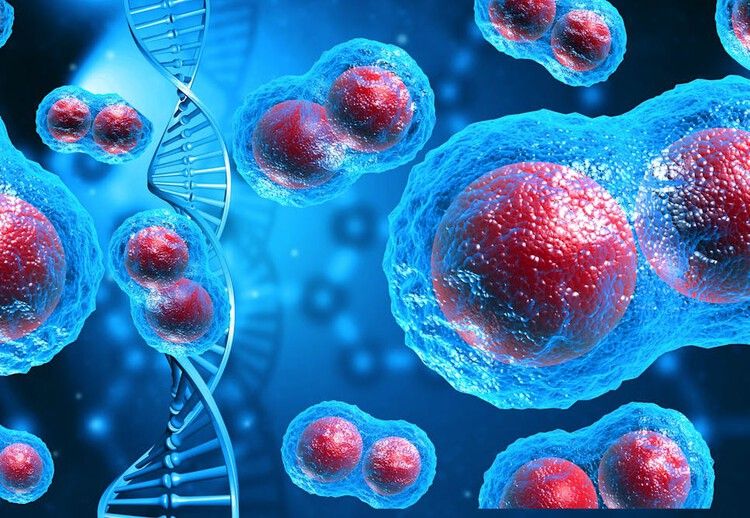
Cancer disease is a complex group of over 100 conditions, all defined by the uncontrolled growth and spread of abnormal cells. This process of malignant transformation makes it a leading global cause of death. However, recent revolutions in molecular biology, genomics, and immunotherapy are turning many cancers from often-fatal illnesses into manageable chronic conditions, dramatically improving survival and quality of life. This guide explores the types, causes, and modern, personalized treatments for cancer disease.
Part 1: The Taxonomy of Cancer Disease – A Cellular Origin Story
Classifying cancer disease is essential for diagnosis, prognosis, and treatment. The primary classification is based on the type of cell or tissue in which the malignancy originates. This cellular origin largely dictates the cancer’s behavior, growth rate, and preferred treatment pathways.
1. Carcinomas: The Epithelial Invaders
Accounting for 80-90% of all cases, carcinomas arise from epithelial cells that line internal organs and cavities or cover the body’s surface. They are further subdivided:
- Adenocarcinomas: Originate in glandular cells responsible for secretion. Common sites include the breast, prostate, lung (non-small cell), pancreas, colon, and stomach.
- Squamous Cell Carcinomas: Develop from squamous epithelial cells, which form the lining of organs like the esophagus, cervix, and skin, as well as parts of the respiratory tract.
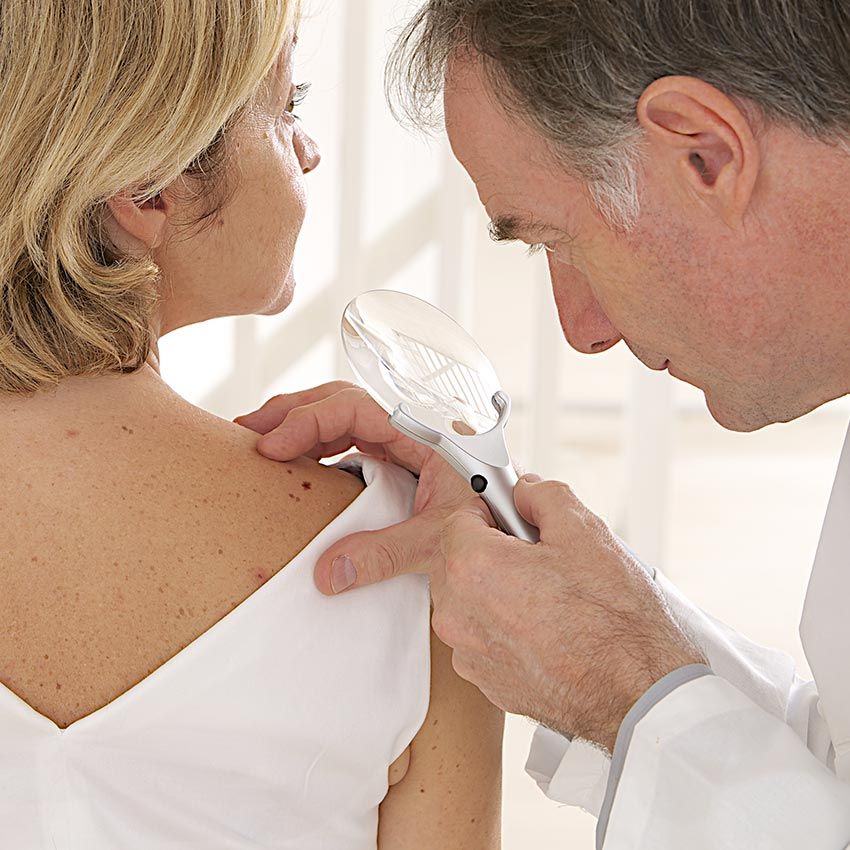
- Basal Cell Carcinoma & Cutaneous Squamous Cell Carcinoma: The most prevalent forms of skin cancer disease, often linked to UV radiation exposure.
2. Sarcomas: The Connective Tissue Tumors
These rare but often aggressive cancers begin in the body’s connective and supportive tissues—the “glue” that holds us together.
- Bone Sarcomas: Osteosarcoma and Ewing sarcoma.
- Soft Tissue Sarcomas: Arise in fat (liposarcoma), muscle (leiomyosarcoma, rhabdomyosarcoma), blood vessels (angiosarcoma), or cartilage (chondrosarcoma).
3. Leukemias: The Liquid Cancers of the Blood and Bone Marrow
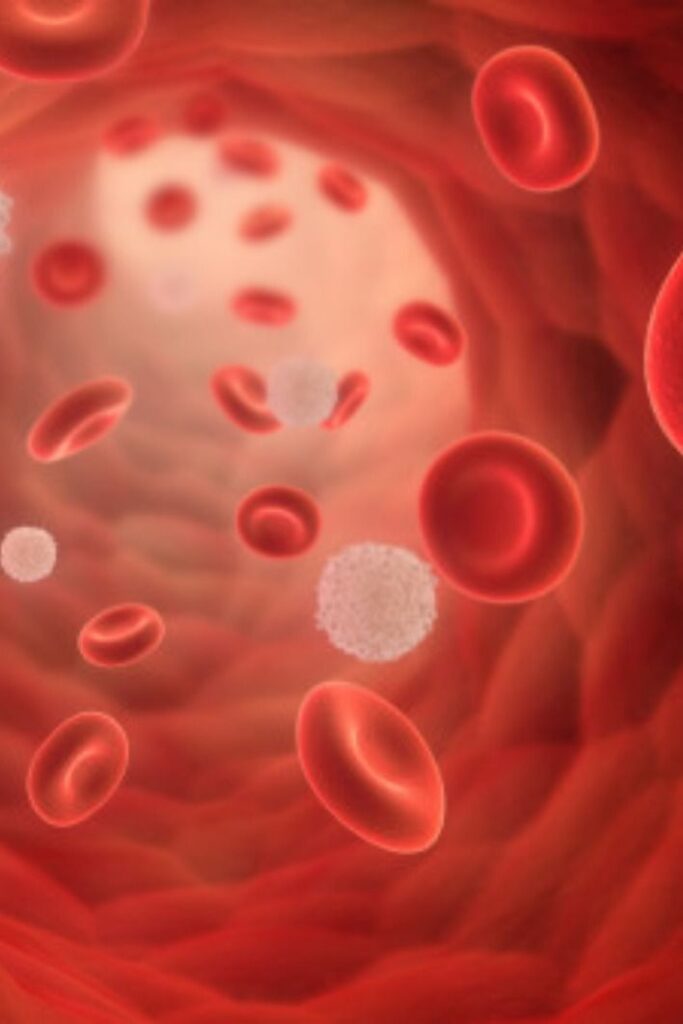
Unlike solid tumors, leukemias are “liquid” cancers. They start in the blood-forming tissues of the bone marrow, leading to the overproduction of abnormal, non-functional white blood cells that flood the bloodstream and suppress normal blood cell production.
- Acute vs. Chronic: Classified by speed of progression (acute being rapid, chronic being slower).
- Lymphocytic vs. Myelogenous: Defined by the type of white blood cell affected (lymphoid or myeloid lineage).
4. Lymphomas: The Immune System Malignancies
Lymphomas are cancers of the lymphatic system, a critical network of vessels, nodes, and organs (like the spleen) that is central to immunity.
- Hodgkin Lymphoma: Characterized by the presence of Reed-Sternberg cells. It has high cure rates.
- Non-Hodgkin Lymphoma (NHL): A vastly larger and more diverse group of over 60 subtypes, with varying aggressiveness.
5. Central Nervous System (CNS) Cancers
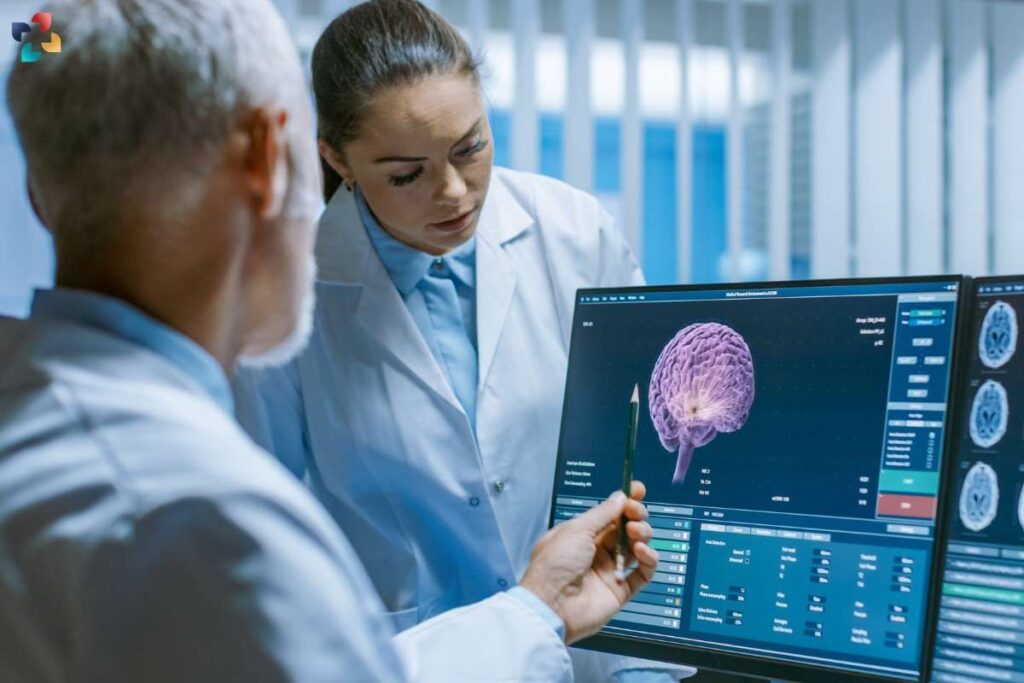
These tumors originate in the tissues of the brain and spinal cord. Their severity is influenced by location, as they can impact critical neurological functions.
- Gliomas: Arise from glial cells (brain support cells). Glioblastoma multiforme is the most aggressive primary brain cancer disease.
Part 2: Unraveling the Causes – A Multifactorial Genesis
Cancer disease is fundamentally a genetic disorder at the cellular level, caused by mutations in key genes that regulate cell growth (oncogenes), apply the brakes to division (tumor suppressor genes), or repair DNA. These mutations can be inherited (germline) or, more commonly, acquired (somatic) throughout a person’s lifetime. The development of cancer disease is rarely due to a single cause; it is typically the result of a cumulative interplay of multiple risk factors over years.
A. Lifestyle and Behavioral Factors (Modifiable Risks):
- Tobacco and Smoking: The single largest preventable cause, responsible for approximately 22% of cancer disease deaths globally. It is causally linked to cancers of the lung, oral cavity, larynx, pancreas, bladder, kidney, and cervix.
- Diet, Obesity, and Physical Inactivity: A diet high in processed meats, saturated fats, and sugars, coupled with low fruit/vegetable intake and sedentary behavior, contributes to inflammation and hormonal imbalances. Obesity is a established risk factor for postmenopausal breast, colorectal, endometrial, esophageal, and kidney cancers.
- Alcohol Consumption: Ethanol is metabolized into acetaldehyde, a known carcinogen. Regular consumption increases risk for cancers of the liver, breast, colon, esophagus, and head and neck.
B. Environmental and Occupational Exposures:
- Ionizing Radiation: Includes radon gas (a leading cause of lung cancer), medical radiation (CT scans, radiotherapy), and historical nuclear exposures.
- Ultraviolet (UV) Radiation: From the sun and artificial tanning devices, is the primary cause of all major skin cancers (basal cell, squamous cell, and melanoma).
- Chemical Carcinogens: Asbestos (mesothelioma), benzene (leukemia), formaldehyde, arsenic, and certain industrial chemicals found in workplaces.
C. Infectious Agents (Oncogenic Pathogens):
Approximately 15-20% of cancers worldwide have an infectious origin. These agents cause chronic inflammation or insert their own genetic material into host cells.
- Viruses: Human Papillomavirus (HPV → cervical, anal, oropharyngeal cancers), Hepatitis B & C (liver cancer), Epstein-Barr Virus (EBV → some lymphomas and nasopharyngeal cancer).
- Bacteria: Helicobacter pylori (chronic gastritis → stomach cancer and lymphoma).
D. Genetic and Hereditary Predisposition:
Inherited mutations in high-penetrance genes significantly elevate lifetime risk.
- BRCA1 and BRCA2: Hereditary Breast and Ovarian Cancer Syndrome.
- Lynch Syndrome (MSH2, MLH1 genes): Hereditary Non-Polyposis Colorectal Cancer.
- TP53 (Li-Fraumeni Syndrome): Predisposition to multiple cancers.
Part 3: The Modern Treatment Arsenal – Precision and Personalization
The treatment of cancer disease has evolved from broadly cytotoxic approaches to highly targeted, multimodal strategies tailored to the individual’s unique tumor biology. The choice of therapy depends on the type, stage, genetic profile, and overall health of the patient.
1. The Traditional Pillars (Still Essential):
- Surgery: The primary curative intervention for localized solid tumors, aiming for complete resection with clear margins.
- Radiation Therapy: Uses focused high-energy beams to destroy cancer cells or damage their DNA, making them unable to divide. Techniques like IMRT and proton therapy maximize tumor targeting while sparing healthy tissue.
- Chemotherapy: Systemic drugs that kill rapidly dividing cells. Used neoadjuvantly (to shrink tumors before surgery), adjuvantly (to eliminate micrometastases after surgery), or palliatively (to control advanced disease).
2. The Revolution of Precision Medicine:
- Targeted Therapy: Drugs are designed to interfere with specific molecules (proteins, genes) that are critical for the growth and survival of a particular cancer disease. Examples include:
- Tyrosine Kinase Inhibitors (e.g., imatinib for CML, targeting the BCR-ABL fusion protein).
- Monoclonal Antibodies (e.g., trastuzumab for HER2-positive breast cancer; rituximab for CD20-positive lymphomas).
- Genomic Profiling: Next-generation sequencing of a patient’s tumor DNA is now standard to identify “actionable mutations” (e.g., EGFR, ALK, BRAF, NTRK) that can be matched to an existing targeted drug, leading to more effective and less toxic treatment.
3. Harnessing the Immune System: Immunotherapy
This groundbreaking approach has changed the prognosis for several advanced cancers.
- Immune Checkpoint Inhibitors: Drugs (e.g., pembrolizumab, nivolumab) block proteins (like PD-1 or CTLA-4) that act as “brakes” on immune T-cells, releasing them to attack cancer cells. They are now first-line for advanced melanoma, lung cancer, and others.
- CAR T-Cell Therapy: A personalized treatment where a patient’s own T-cells are genetically engineered to express a Chimeric Antigen Receptor (CAR) that targets a specific protein on their cancer cells, then infused back into the patient. Highly effective for certain refractory leukemias and lymphomas.
4. Supportive and Adjunctive Therapies:
- Hormone Therapy: Blocks the body’s natural hormones (estrogen, testosterone) that fuel the growth of certain cancers (breast, prostate).
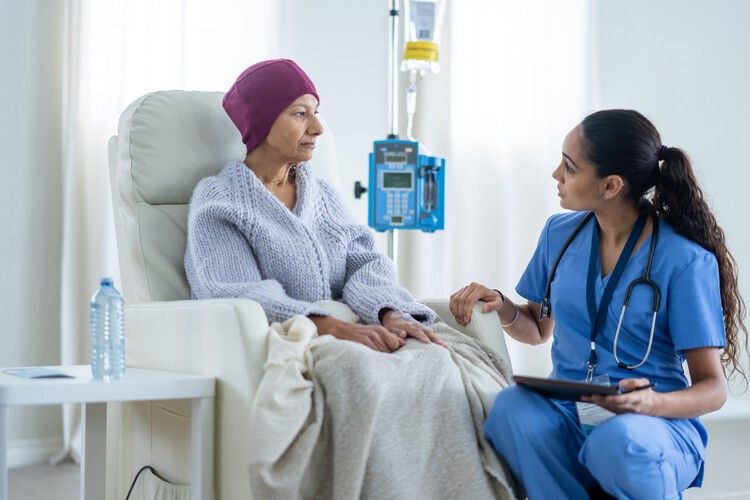
- Supportive/Palliative Care: Integrated early in the treatment journey to manage pain, nausea, fatigue, and psychological distress, significantly improving quality of life and even survival outcomes.
Conclusion: A Future Defined by Knowledge and Innovation
Cancer disease, in all its daunting complexity, is being steadily demystified and dismantled by science. The journey from a diagnosis rooted in organ location alone to one defined by its molecular and genetic signature marks a paradigm shift. While prevention through lifestyle modification and early detection remain the most powerful weapons, the modern oncological arsenal—featuring targeted therapies born from genomic insights and immunotherapies that recruit the body’s own defenses—offers unprecedented hope. The future of managing cancer disease lies in continued biomarker discovery, the development of more sophisticated combination therapies, and ensuring equitable global access to these innovations, moving ever closer to the goal of making cancer disease a chronically managed condition or, ultimately, a preventable one.