
The question, “Is eggplant fruit or vegetable?” is a classic culinary puzzle. The definitive answer is clear yet fascinating: botanically, eggplant is a fruit—more specifically, a berry. However, in culinary practice, it is treated and used exclusively as a vegetable. This dual identity perfectly captures the difference between scientific classification and kitchen tradition. Unpacking the eggplant fruit or vegetable debate reveals a lot about how we define and use our food.
The Botanical Truth: Why Eggplant is a Fruit (and a Berry)
In the strict language of botany, the definition is precise. A fruit is the mature, seed-bearing ovary of a flowering plant, developed after pollination. Any edible part of a plant that forms from a flower and contains seeds fits this definition. Therefore, by this scientific standard, foods like tomatoes, cucumbers, peppers, and, crucially, eggplants are all fruits.
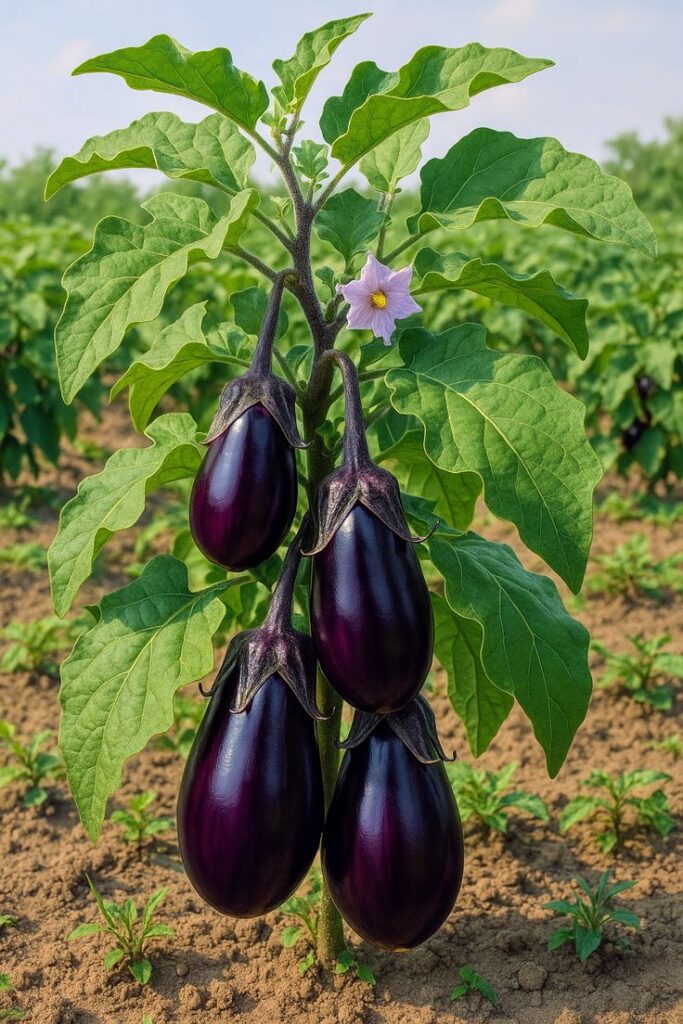
To be even more specific, the eggplant’s structure classifies it as a berry. A botanical berry is a simple fruit derived from a single ovary, with a fleshy interior and seeds embedded within. An eggplant grows from the flower of the Solanum melongena plant, developing a soft, fleshy interior that houses its edible seeds. There is no scientific ambiguity here. For a botanist, the eggplant fruit or vegetable question is settled decisively in favor of fruit.
The Culinary Reality: Why We Call It a Vegetable
If you walked into a restaurant and ordered a “fruit platter,” you would not expect to be served grilled eggplant. This highlights the powerful role of culinary tradition. In the kitchen, we classify plants not by their reproductive parts but by their taste, texture, and usage.
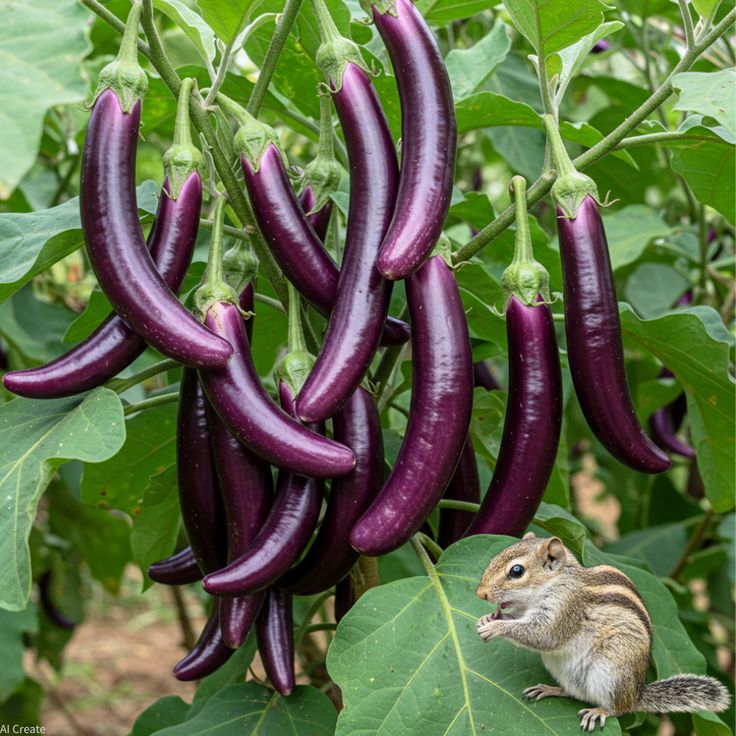
Culinarily, a “vegetable” is typically savory, not sweet, and is used in main courses, side dishes, and salads. The eggplant fits this profile perfectly:
- Flavor Profile: It has a mild, slightly earthy, and absorbent flesh that readily takes on the flavors of garlic, herbs, spices, and sauces.
- Culinary Application: It is grilled, roasted, fried, baked, and stewed in iconic savory dishes worldwide—from Italian Eggplant Parmesan and Greek Moussaka to Middle Eastern Baba Ganoush and Indian Baingan Bharta.
- Meal Role: It functions as a centerpiece or a supporting component in a savory meal, never as a dessert (unlike most botanical fruits like apples or peaches).
This culinary usage is so entrenched that it has even been supported by law. In the 1893 U.S. Supreme Court case Nix v. Hedden, the court ruled that the tomato should be taxed as a vegetable, not a fruit, because of how it is commonly used and perceived. The same legal and common-sense logic applies directly to the eggplant fruit or vegetable discussion.
Why This Distinction Matters
Understanding this duality is more than trivia; it offers practical insights:
- For Gardeners: Knowing the eggplant is a fruit helps understand its growth. It comes from a pollinated flower, so ensuring good pollination leads to better fruit set. Treating it as a tender, fruit-producing plant (similar to tomatoes and peppers) guides its care.
- For Cooks: Treating eggplant as a vegetable informs its preparation. Techniques like salting to draw out bitterness, or using high-heat roasting to achieve a creamy texture, are all methods applied to savory vegetable cookery.
- For Nutrition: While the eggplant fruit or vegetable label doesn’t drastically change its nutritional profile, recognizing it as a fruit (berry) can remind us that it is naturally low in calories and a source of fiber, antioxidants, and vitamins, much like other produce from the same botanical family.
A Vegetable by Any Other Name: A Global Perspective
The eggplant’s journey underscores its culinary role. Originating in Asia over 2,000 years ago, it traveled along trade routes to the Middle East, Europe, and the Americas. In every culture it entered, it was seamlessly adopted into the vegetable pantry. Its names—aubergine in the UK and France, brinjal in South Asia—carry no hint of a fruity identity. This global culinary consensus solidifies its status as a foundational vegetable in human cuisine, regardless of the botanical facts behind the eggplant fruit or vegetable question.
The Final Verdict
So, what is the definitive answer to “Is eggplant fruit or vegetable?” The most accurate response is: It is botanically a fruit (a berry), but culinarily a vegetable.
You are correct on both counts, depending on whether you are speaking with a scientist or a chef. This elegant solution to the eggplant fruit or vegetable conundrum doesn’t just end the debate—it enhances our appreciation for this incredibly versatile and delicious food. It reminds us that the way we grow, define, and enjoy our food is shaped by multiple perspectives. The next time you enjoy a dish featuring this unique ingredient, you can savor both its rich, savory flavor and the intriguing botanical story on your plate.
Is an eggplant fruit or vegetable?
Botanically, eggplant is a fruit—specifically a berry. However, in culinary practice, it is unquestionably treated and used as a vegetable.
This dual identity is the definitive answer to the common puzzle, and here’s why both perspectives are correct:
The Botanical Answer: It’s a Fruit (and a Berry)
Science classifies a fruit as the mature, seed-bearing ovary of a flowering plant. By this strict definition:
- The eggplant develops from the flower of the Solanum melongena plant.
- Its flesh surrounds seeds, the sole purpose of which is reproduction.
- Its specific structure—developing from a single flower with one ovary and having a fleshy interior—qualifies it as a berry.
Therefore, to a botanist, eggplant is in the same category as tomatoes, grapes, and cucumbers.
The Culinary Answer: It’s a Vegetable
In the kitchen, classification is based on flavor, texture, and use, not botany. We call a food a “vegetable” if it is:
- Savory, not sweet: Eggplant has a mild, earthy, and absorbent flavor.
- Used in savory dishes: It is a staple in global cuisines—grilled for baba ganoush, layered in eggplant Parmesan, or stewed in ratatouille.
- Part of a main or side dish: It is never served as a dessert.
This common-use standard is so powerful it has legal backing. In the 1893 Supreme Court case Nix v. Hedden, tomatoes were ruled vegetables for trade purposes because that’s how they are commonly used and perceived—a precedent that directly applies to eggplant.
The Practical Verdict
So, the most complete answer is: Eggplant is botanically a fruit but culinarily a vegetable.
This distinction matters more than just trivia:
- For Gardeners: Treating it as a fruit (like its cousins tomatoes and peppers) guides its growth and pollination needs.
- For Cooks: Its “vegetable” identity dictates classic cooking techniques like salting to reduce bitterness and high-heat roasting for creamy texture.
Ultimately, whether you call it a fruit or vegetable depends on whether you’re speaking to a scientist in a lab or a chef in a kitchen. Both are correct within their own contexts.