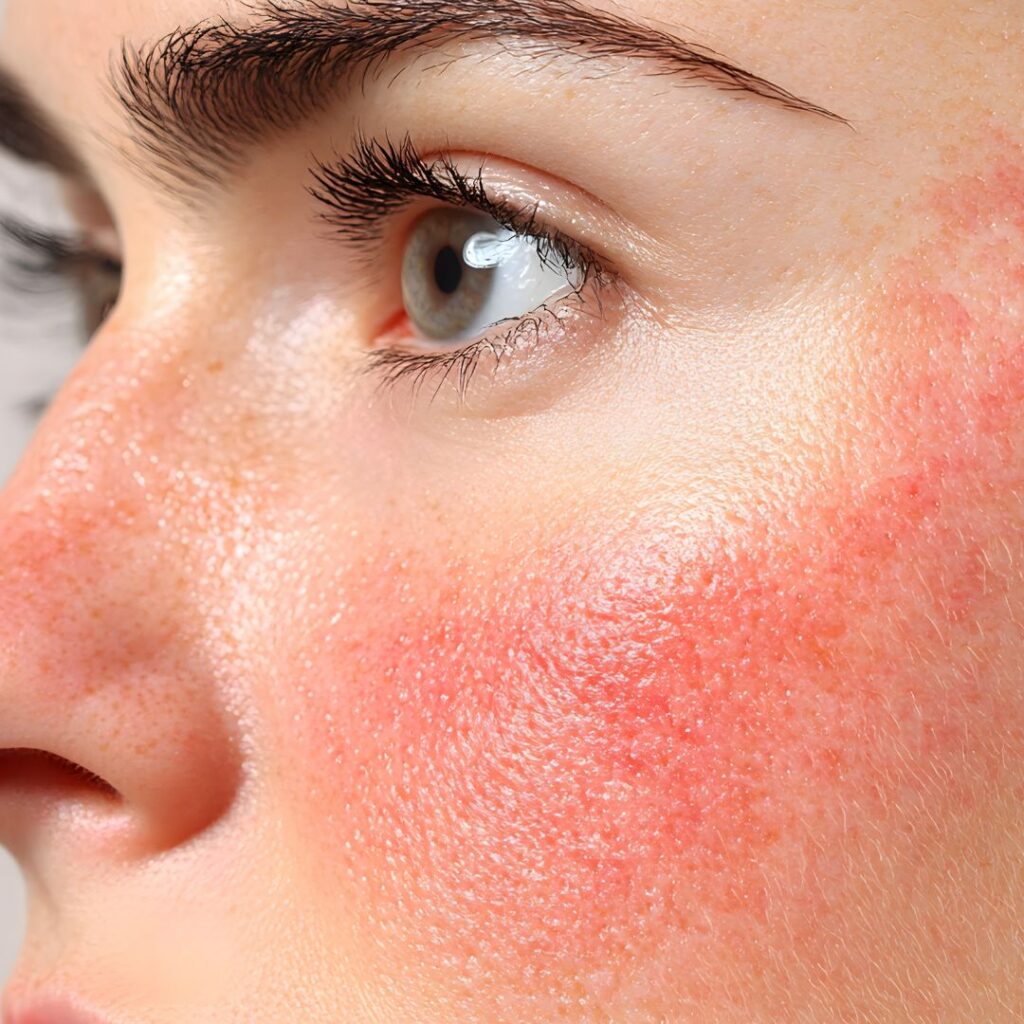
Redness sensitive skin is a condition where the skin is prone to irritation and inflammation due to a weakened protective barrier. Effective management of this condition includes identifying and avoiding triggers, using gentle skincare products, and adopting specific lifestyle changes.
Understanding Skin Sensitive to Redness
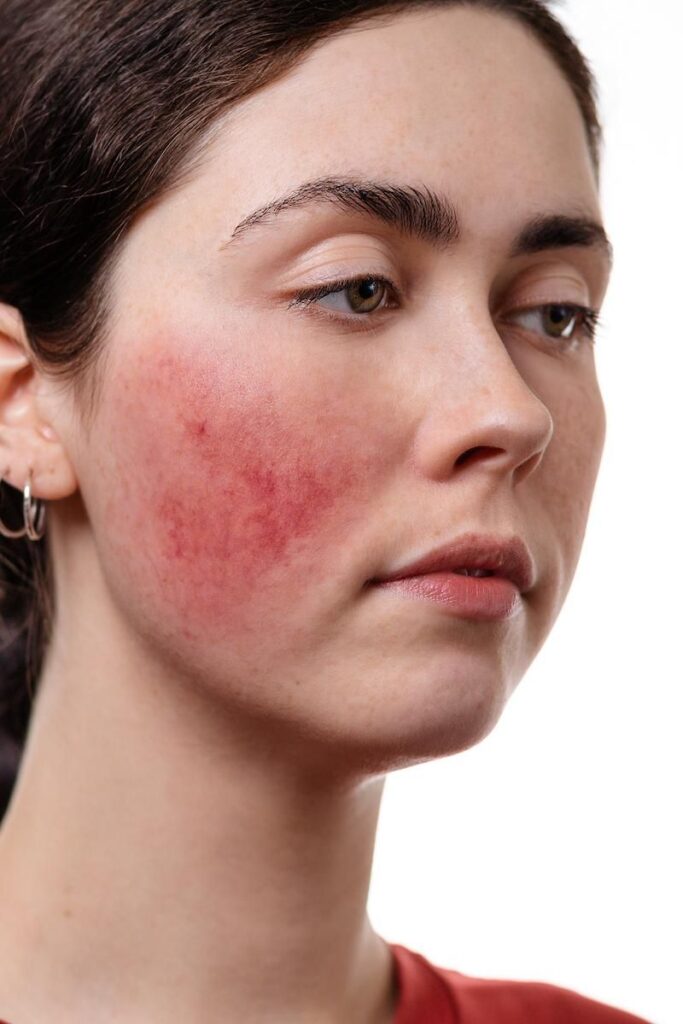
Skin sensitive to redness often suffers from a weakened protective barrier. This thin outer layer makes it easy for external irritants and allergens to penetrate the skin, while simultaneously allowing essential moisture loss. These factors combined typically lead to the prominent symptoms of skin sensitive to redness: persistent dryness, tightness, itching, and noticeable redness.
Redness Sensitive Skin: Common Causes and Triggers
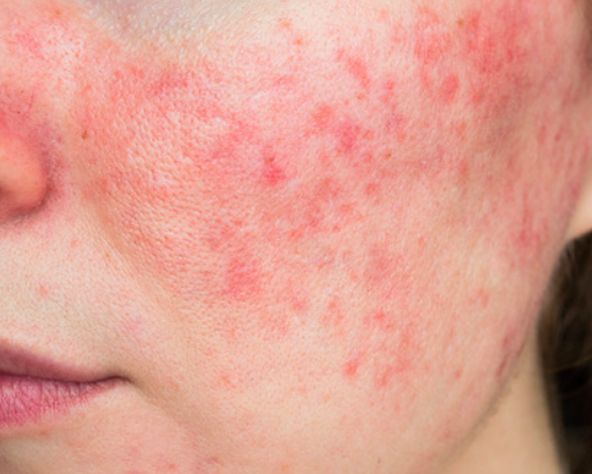
Understanding what irritates your skin is the first step toward managing skin that is sensitive to redness. These triggers are generally categorized into four main areas: environment, cosmetics, lifestyle, and underlying health factors.
- Environmental Triggers for Sensitive Skin with Redness
The world around you is constantly interacting with your skin. Common environmental triggers for people with sensitive skin with redness include:
- Extreme temperatures: Both hot weather and cold winds can cause redness and irritation.
- Sun exposure: Ultraviolet (UV) radiation is a major cause of inflammation and can exacerbate existing redness.
- Pollution: Airborne particles can settle on the skin, leading to oxidative stress and weakened skin barrier.
- Product-related triggers for sensitive skin related to redness
The skin care and cosmetic products you use can be a direct source of irritation. Key ingredients to handle with caution include:
- Perfumes and essential oils: Both synthetic and natural fragrances are major triggers for allergic reactions.
- Harsh cleansers: Sulfates (such as sodium lauryl sulfate) can strip the skin of its natural oils.
- Alcohol (denatured alcohol/SD alcohol): Can cause severe dryness and skin irritation.
- Physical exfoliants: Abrasive scrubs can cause micro-tears and immediate redness.
- Lifestyle and internal factors that trigger redness in sensitive skin.
What you eat and what you are exposed to internally can show up on the surface of your skin. Common triggers for redness in sensitive skin include:
- Foods: Spicy foods, hot drinks, alcohol, and caffeine can dilate blood vessels.
- Stress: Psychological stress increases cortisol levels, which can increase inflammation and skin sensitivity.
- Underlying conditions associated with redness in sensitive skin
Sometimes, persistent redness in sensitive skin is a sign of an underlying medical condition that needs special attention. These symptoms may include:
- Rosacea: A chronic condition characterized by facial redness and visible blood vessels.
- Eczema (atopic dermatitis): Characterized by dry, itchy, and inflamed patches on the skin.
- Contact dermatitis: An allergic or irritant reaction to a substance that comes into contact with the skin.
Bottom line: The success of treating redness in sensitive skin depends on identifying your specific allergen. Keeping a symptom diary — noting how symptoms worsen with your environment, products used, food, and stress levels — is the most powerful tool for discovering how your skin reacts and creating an effective routine to calm it down.
Managing and Calming Redness Sensitive Skin:

Effectively managing Redness Sensitive Skin requires a commitment to gentle, consistent skincare habits and mindful lifestyle choices. The core principle is to strengthen the skin’s natural barrier while avoiding irritation, which calms existing redness and helps prevent future flare-ups.
1. Immediate Soothing for Redness Sensitive Skin
When your skin is in a reactive state, these steps can provide quick, gentle relief:
- Cool Compress: Apply a soft cloth soaked in cool water to the affected area for 10-15 minutes to reduce heat and inflammation.
- Soothing Ingredients: Reach for products containing natural anti-inflammatories like aloe vera, colloidal oatmeal, or chamomile to calm irritation.
2. The Essential Daily Routine for Redness Sensitive Skin
A simplified, consistent routine is the foundation for managing Redness Sensitive Skin.
- Gentle Cleansing: Wash with a mild, soap-free, and pH-balanced cleanser using only lukewarm water. Avoid hot water and any abrasive scrubbing.
- Hydration and Barrier Repair: Apply a fragrance-free, hypoallergenic moisturizer daily. Key ingredients like ceramides, niacinamide, and hyaluronic acid are excellent for repairing and reinforcing the skin’s vulnerable barrier.
- Mandatory Sun Protection: Use a broad-spectrum, mineral-based sunscreen (zinc oxide or titanium dioxide) with SPF 30 or higher every single day. UV exposure is a major aggravator of Redness Sensitive Skin.
- Cautious Exfoliation: If you exfoliate, do so gently no more than 1-2 times per week, using a mild chemical exfoliant (like lactic acid) and avoiding harsh physical scrubs.
- The Patch Test Rule: Always test a new product on a small, discreet area of skin for 24-48 hours before applying it to your face.
3. Supportive Lifestyle Adjustments for Redness Sensitive Skin
Managing your skin’s environment and internal triggers is just as important as topical care.
- Become a Trigger Detective: Keep a simple diary to log flare-ups alongside your diet, stress levels, and activities. This is the best way to identify and avoid your personal triggers for Redness Sensitive Skin.
- Manage Stress: Incorporate calming practices like meditation, yoga, or deep breathing, as emotional stress directly increases skin inflammation.
- Evaluate Your Diet: Consider limiting common dietary triggers such as spicy foods, alcohol, and hot beverages if you notice they cause flushing.
- Choose Gentle Fabrics: Wear soft, breathable natural fibers like cotton, especially for items that touch your face, such as pillowcases and scarves.
Key Takeaway: Calming Redness Sensitive Skin is a holistic process. Success comes from pairing a minimalist, repairing skincare routine with mindful lifestyle habits to reduce external assaults and internal triggers. Patience and consistency are your most important allies.
When should I see a dermatologist?
While many sensitive skin conditions can be treated with home care, it’s advisable to consult a dermatologist in the following cases:
- If the redness is intense, persistent, or accompanied by blisters or open sores.
- If symptoms suddenly worsen for no apparent reason.
- If over-the-counter treatments haven’t been effective after several weeks.
- If you suspect an underlying condition, such as rosacea or eczema, which may require prescription medications or specialized treatments like laser therapy.