
Choosing your first packet of vegetable seeds can feel overwhelming with thousands of options. This guide breaks down the process into simple, actionable steps to ensure your first gardening experience is successful, rewarding, and fun. We’ll help you select the right vegetable seeds for your space, climate, and goals.
1. Start with Your “Why” & Garden Conditions
Before buying a single packet, ask:
- Space: Do you have a backyard plot, raised beds, or just containers on a balcony? This determines the type of vegetable seeds you need (e.g., bush bean vs. pole bean seeds).
- Climate & Season: Check your local frost dates. Beginners should start with vegetable seeds suited to their growing season length (look for “days to maturity” on the seed packet).
- Goal: Do you want quick wins, food for salads, or to grow a specific favorite? Your goal prioritizes which vegetable seeds to buy first.
2. Understanding Seed Packet Key Terms
Learn to read the label—it’s your cheat sheet!
| Term on Seed Packet | What It Means for Beginners | Why It Matters |
|---|---|---|
| Heirloom | Open-pollinated seeds that produce plants true to the parent. You can save these vegetable seeds for next year. | For flavor, tradition, and seed saving. |
| Hybrid (F1) | A cross between two parent plants for specific traits (e.g., disease resistance, uniformity). | Often more vigorous and reliable for beginners. Saved seeds won’t grow true. |
| Organic | Vegetable seeds from plants grown without synthetic pesticides/fertilizers. | If growing organically is a priority, start with certified organic seeds. |
| Days to Maturity | The average time from transplanting to harvest. For direct-sow seeds, it’s from seeding to harvest. | Crucial! Beginners should choose vegetable seeds with a shorter maturity for quicker rewards. |
| Direct Sow vs. Start Indoors | Instructions on where to plant these vegetable seeds. | Direct sow (like carrots, beans) are easier. Starting indoors (like tomatoes) requires more setup. |
Pro Tip: Start with just 3-5 types of vegetable seeds your first year to avoid overwhelm.
The Beginner’s Shortlist: Best Vegetable Seeds to Start With
These are typically easy, fast-growing, and forgiving:
Lettuce/Greens (Leafy): Cut-and-come-again. Tolerates cooler weather
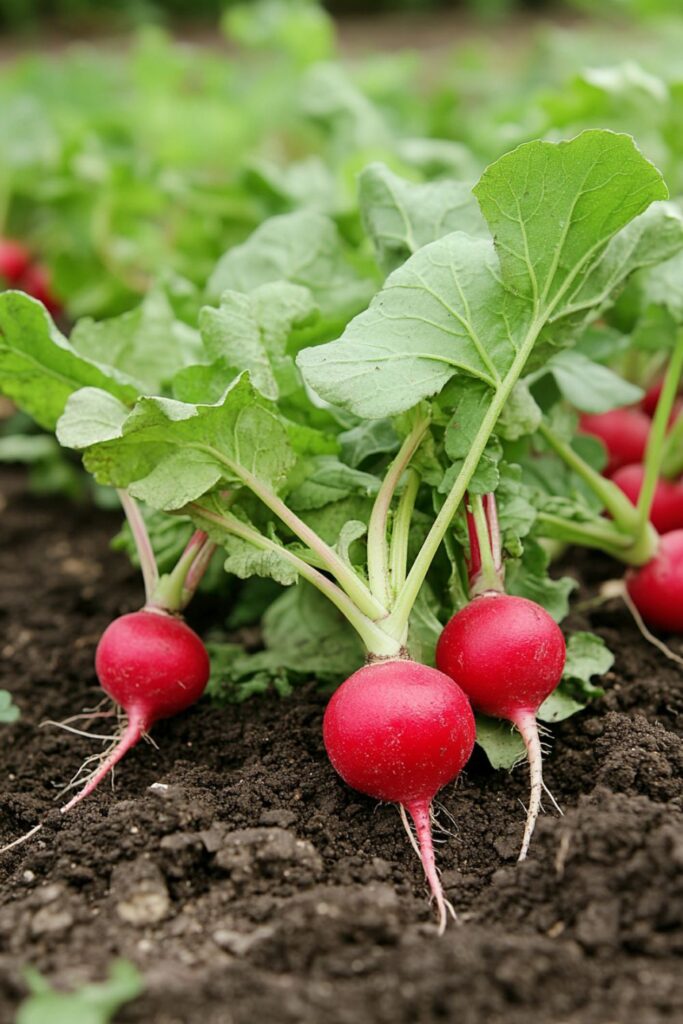
Radishes: Quickest harvest (20-30 days). Direct sow.
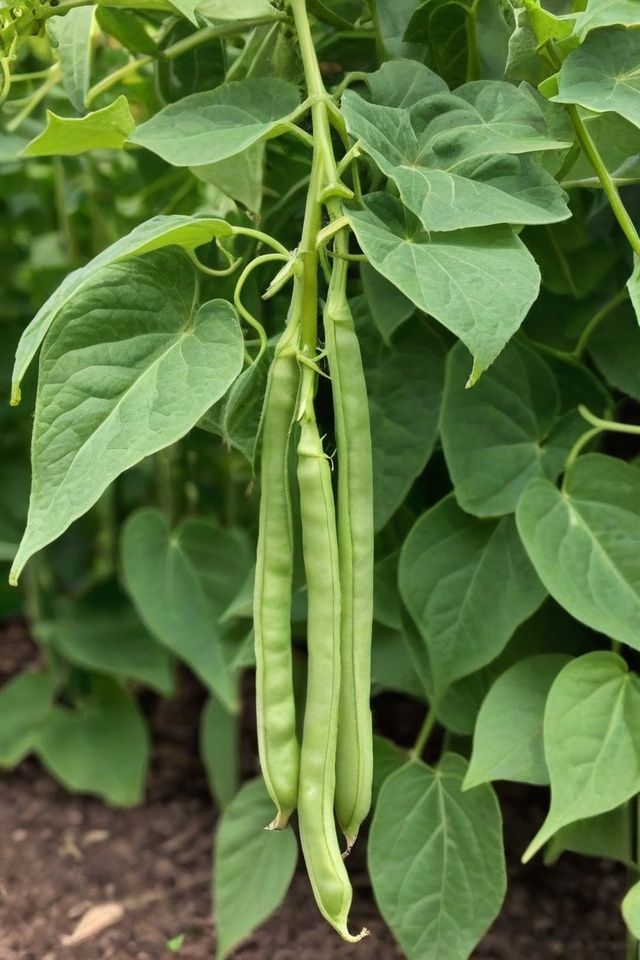
Green Beans (Bush type): Direct sow, prolific, and don’t need staking.
Zucchini/Squash: One plant yields a lot. Direct sow after frost.
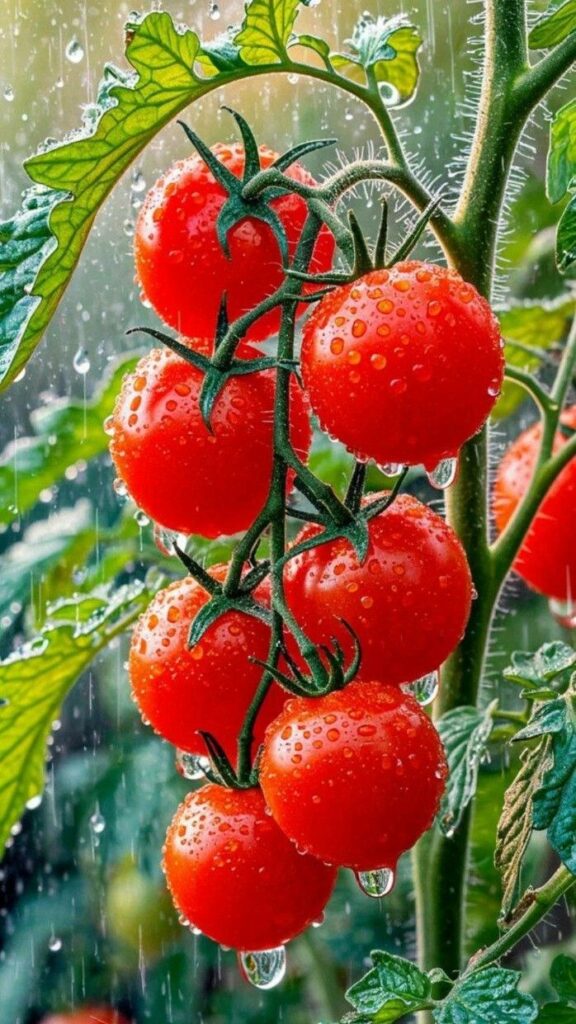
Cherry Tomatoes (Hybrid): More disease-resistant and prolific than large heirlooms for beginners.
Basil: Easy herb to grow alongside tomatoes.
4. Where & How to Buy Vegetable Seeds
- Local Garden Centers: Packets are curated for your local climate. You can ask staff questions.
- Reputable Online Seed Companies: Offer vast selections, detailed descriptions, and germination guarantees. Look for companies with good beginner resources.
- Seed Swaps or Fellow Gardeners: A low-cost way to get vegetable seeds, often with local growing advice attached.
5. Red Flags & Pro-Tips for First-Time Seed Buyers
- 🚩 Avoid: Seeds sold on generic marketplaces with no growing information or reviews.
- ✅ Do: Check the packed-for year on the packet to ensure freshness (higher germination rate).
- ✅ Do: Look for keywords like “easy to grow,” “great for containers,” or “disease-resistant” when selecting your first vegetable seeds.
- ✅ Do: Buy a little more than you need. Not every seed will germinate, and you can succession plant extras.
Final Checklist for Beginners
Before you check out, ask:
- Are these vegetable seeds appropriate for my climate and current season?
- Do I have the right space (sun, soil) for what these vegetable seeds will become?
- Is the “days to maturity” short enough to keep me motivated?
- Have I chosen mostly direct-sow or beginner-friendly vegetable seeds?
- Am I buying from a trusted source?
Conclusion: The journey of growing your own food is incredibly rewarding. By making informed choices about your first vegetable seeds, you’re laying the groundwork for a successful and enjoyable garden. Remember, every expert gardener started with their first packet of seeds—yours is waiting!