
For individuals and couples facing fertility challenges, artificial insemination, most commonly performed as Intrauterine Insemination (IUI), represents a foundational, less invasive, and often first-step treatment on the path to parenthood. This guide provides a comprehensive overview of the IUI procedure, from how it works to how to prepare.
What is IUI?
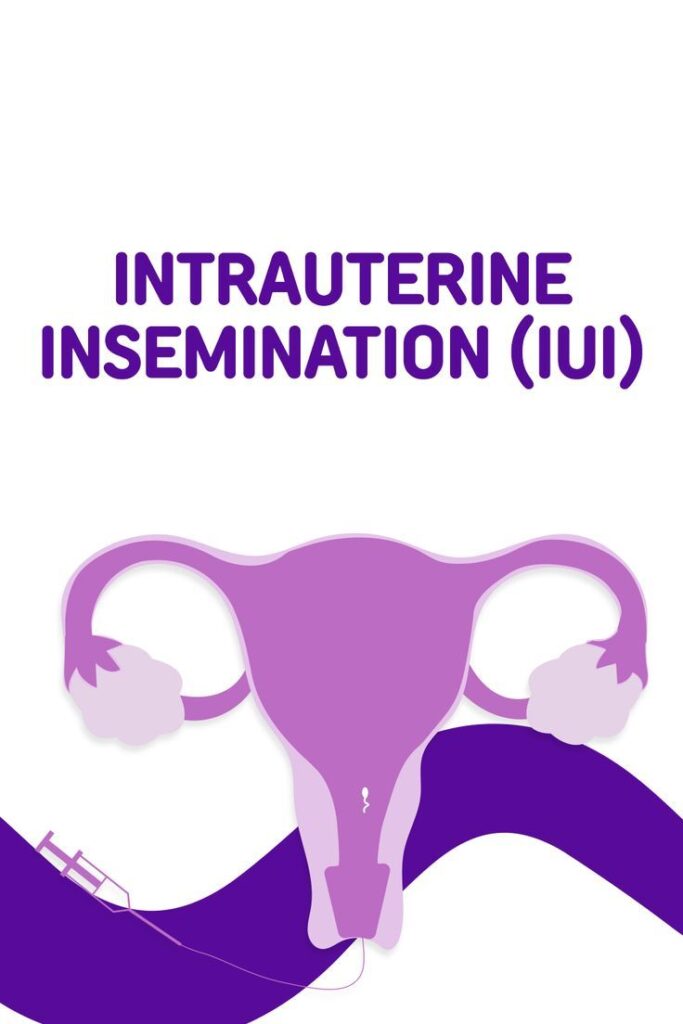
Intrauterine Insemination (IUI) is a type of artificial insemination where washed and concentrated sperm are placed directly into a woman’s uterus around the time of ovulation. This bypasses the cervix, shortens the sperm’s travel distance to the egg, and increases the number of motile sperm at the site of fertilization, thereby improving the chances of conception.
Who is IUI Recommended For?
IUI is often recommended for:
- Unexplained Infertility
- Mild Male Factor Infertility (low sperm count or motility)
- Cervical Factor Infertility (hostile cervical mucus)
- Ejaculatory Dysfunction
- The Need for Donor Sperm
- Couples Seeking to Conceive without Sexual Intercourse (e.g., LGBTQ+ couples, single mothers by choice)
It is typically not recommended for women with severe fallopian tube damage, advanced endometriosis, or severe male factor infertility, where IVF may be a more appropriate opt
The Step-by-Step IUI Process
1. Consultation and Fertility Workup
Before starting, both partners undergo testing. This includes blood work, ultrasound scans, a hysterosalpingogram (HSG) to check fallopian tube patency, and a semen analysis.
2. Ovarian Stimulation (Optional but Common)
Many IUIs are performed with ovulation-inducing medications (like Clomid or Letrozole). This stimulates the ovaries to produce 1-3 mature follicles, monitored via transvaginal ultrasound.
3. Ovulation Trigger
When the follicle(s) are mature, a trigger shot (hCG) is administered to induce ovulation precisely 24-36 hours later.
4. Sperm Sample Preparation
On the day of the procedure, a sperm sample is provided. The lab uses a “sperm wash” technique to separate highly motile sperm from semen, creating a concentrated sample.
5. The Insemination Procedure
The 5-10 minute in-office procedure is quick and typically painless (similar to a Pap smear). Using a thin, flexible catheter, the prepared sperm sample is gently passed through the cervix and into the uterus.
6. The Two-Week Wait & Pregnancy Test
After the procedure, you resume normal activities. A pregnancy blood test is scheduled about 14 days post-IUI.
IUI Success Rates and Key Factors
Success is not guaranteed and depends heavily on several factors:
- Female Age: The single most significant factor. Rates are highest for women under 35.
- Reason for Infertility: Highest success for unexplained and cervical factor infertility.
- Use of Fertility Medications: Stimulated cycles generally have higher success than natural cycles.
- Sperm Quality: Post-wash total motile sperm count is crucial.
Typulative Success Rates per Cycle:
- Women under 35: 10-20%
- Women 35-40: 10-15%
- Women over 40: 2-5%
Most experts recommend trying 3-4 IUI cycles before re-evaluating the treatment plan, as success rates often cumulate over multiple attempts.
Costs, Risks, and Con
- Cost: A single IUI cycle typically costs $1,000 – $5,000, including medications, monitoring, and the procedure. Costs vary widely by clinic and geographic location. Insurance coverage varies.
- Risks and Side Effects:
- Multiple Pregnancy: The primary risk (5-10% of pregnancies), especially with fertility medications.
- Ovarian Hyperstimulation Syndrome (OHSS): Rare and usually mild in IUI cycles.
- Spotting or Cramping: Mild post-procedure cramping is common.
- Infection: A very rare risk.
IUI vs. IVF: A Quick Comparison
| Feature | IUI | IVF |
|---|---|---|
| Process | Sperm placed in uterus | Eggs fertilized in lab, embryo(s) transferred |
| Invasiveness | Minimally invasive | Highly invasive (egg retrieval surgery) |
| Success Rate/Cycle | Lower (10-20%) | Higher (50%+ for women under 35) |
| Cost per Cycle | Lower ($1k-$5k) | Significantly higher ($15k-$30k+) |
| Time Commitment | Less intensive | Highly intensive with daily medications |
Preparing for IUI: How to Increase Your Chances
- Preconception Health: Maintain a healthy BMI, take prenatal vitamins (with folic acid), avoid smoking/alcohol, and manage stress.
- Timing is Everything: Follow your clinic’s trigger shot and insemination schedule precisely.
- Ask Questions: Understand your specific protocol, medication plan, and what your clinic’s success rates are for your diagnosis and age group.
Conclusion
IUI is a powerful, accessible, and often logical first intervention in fertility treatment. While success is not guaranteed and depends on individual factors, it provides a significant boost to natural conception odds for many. An open, informed discussion with a reproductive endocrinologist is the best first step to determine if IUI is the right path for your family-building journey.
Disclaimer: This guide is for informational purposes only and does not constitute medical advice. Please consult with a qualified fertility specialist to discuss your personal medical situation and treatment options.