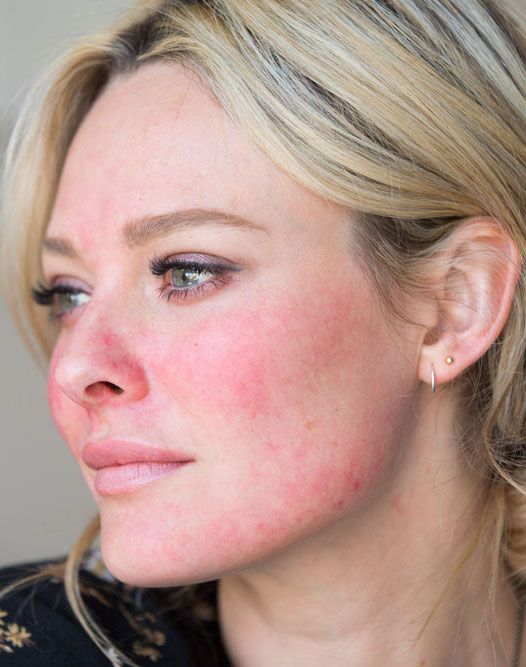
Autoimmune skin conditions occur when the body’s immune system mistakenly attacks its own healthy skin cells, leading to inflammation, damage, and a variety of visible symptoms.
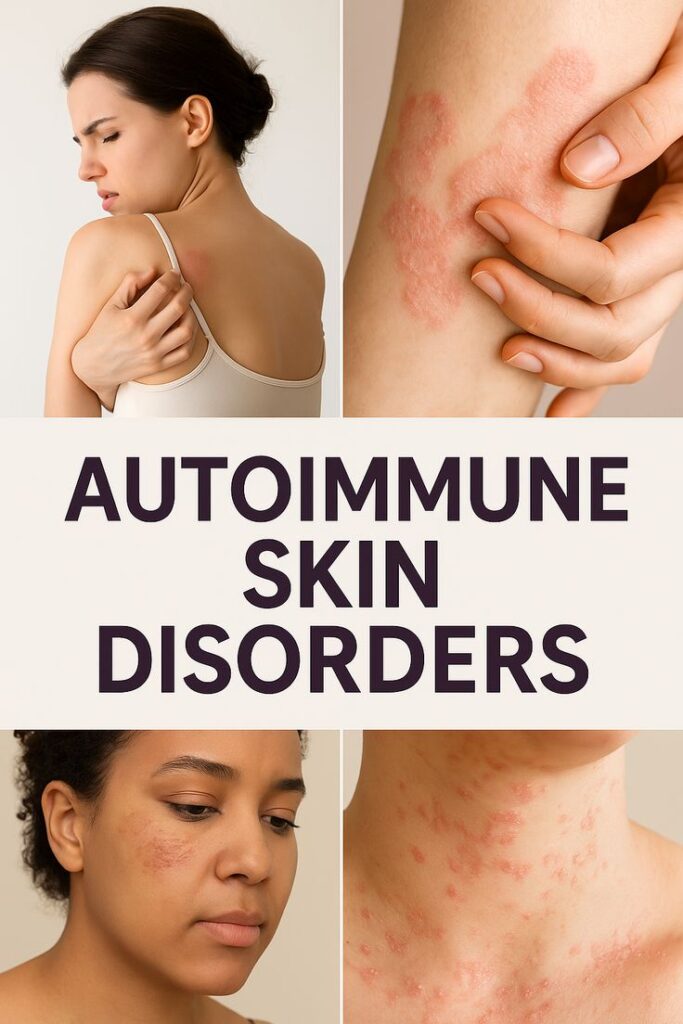
The Core Problem
Normally, the immune system defends against germs. In an autoimmune skin condition, this defense system malfunctions, identifying parts of the skin as foreign invaders. This triggers chronic inflammation, resulting in rashes, blisters, lesions, pain, and itching.
Common Examples
- Psoriasis: Causes rapid skin cell buildup, leading to thick, scaly plaques.
- Vitiligo: Results in loss of skin pigment, creating white patches.
- Lupus (Cutaneous Lupus): Can cause butterfly-shaped facial rashes or disc-shaped sores.
- Alopecia Areata: An attack on hair follicles, leading to sudden hair loss.
- Dermatomyositis: Presents with a distinctive rash, often on the face and knuckles, alongside muscle weakness.
Key Characteristics
- Chronic & Fluctuating: These conditions are often lifelong and experience periods of flare-ups and remission.
- More Than Skin Deep: They can be linked to systemic autoimmune issues affecting joints, organs, or overall health.
- Triggers Vary: Flares can be influenced by stress, sunlight, infections, or certain medications.
Management Approach
While there is no cure, autoimmune skin conditions can be effectively managed. Treatment focuses on:
- Suppressing the Immune Response: Using topical steroids, immunosuppressants, or biologics.
- Managing Symptoms: Relieving itch, pain, and scaling.
- Identifying & Avoiding Triggers.
Important: Diagnosis by a dermatologist is crucial, as treatment is highly specific to the exact condition and individual. Proper management can control symptoms, prevent complications, and greatly improve quality of life.
Exploring the Different Types of Autoimmune Skin Conditions
Autoimmune skin conditions are a diverse group of disorders where the immune system targets the skin, leading to a wide range of symptoms. Understanding the types helps in identifying and managing these often chronic skin conditions.
Conditions Primarily Causing Autoimmune Rashes & Skin Lesions
These are characterized by distinct patterns of skin inflammation and visible changes.
- Psoriasis: Manifests as raised, red plaques with silvery scales (plaques).
- Cutaneous Lupus Erythematosus: Presents with a classic “butterfly rash” across the cheeks/nose or disc-shaped, scarring skin lesions.
- Dermatomyositis: Features a violet-colored or red rash on sun-exposed areas like eyelids, knuckles, and chest.
Blistering Skin Diseases (Autoimmune Bullous Diseases)
A subset where the immune attack causes severe skin inflammation that leads to blister formation.
- Pemphigus Vulgaris: Causes painful, fragile blisters and erosions in the mouth and on the skin.
- Bullous Pemphigoid: Results in large, tense, itchy blisters, more common in older adults.
- Dermatitis Herpetiformis: An intensely itchy, blistering rash linked to celiac disease.
Conditions Leading to Pigment Change or Skin Scarring
These disorders can result in permanent textural or color changes.
- Vitiligo: Causes the loss of skin pigment, leading to smooth, white patches.
- Scleroderma/Morphea: Involves hardening and tightening of the skin, which can lead to significant skin scarring and discoloration.
- Lichen Planus: Creates itchy, flat-topped, purple bumps that may leave behind dark spots or skin scarring.
Key Takeaway: While all these disorders involve mistaken immune attacks, their presentation—from autoimmune rashes to severe blistering skin diseases—varies greatly. Accurate diagnosis by a dermatologist is essential, as treatments differ significantly based on the specific type and its mechanism of causing skin lesions or skin scarring.
Managing Autoimmune Skin Conditions: Treatment Options and Tips
Effectively managing autoimmune skin conditions requires a tailored, multi-faceted approach to reduce immune system overactivity, control symptoms, and protect the skin barrier. Here are the core strategies.
Primary Treatment Options
Medical treatment options aim to suppress the underlying immune attack and calm skin inflammation.
- Topical Treatments: First-line defense including corticosteroid creams, calcineurin inhibitors, and vitamin D analogs to reduce localized flares.
- Systemic Medications: Oral or injected drugs like methotrexate or cyclosporine that broadly dampen immune response for widespread conditions.
- Biologic Therapy: Targeted biologic therapy uses advanced drugs (e.g., TNF-alpha inhibitors, IL-17 inhibitors) to block specific immune system proteins, offering a precise approach for moderate to severe cases like psoriasis or blistering diseases.
- Phototherapy (Light Therapy): Controlled exposure to ultraviolet light under medical supervision to reduce inflammation and slow skin cell turnover.
Essential Daily Management Tips
Complement medical treatments with these proactive care tips:
- Prioritize Skin Protection:
- Sun Protection is Non-Negotiable: UV rays are a major trigger. Use broad-spectrum SPF 30+ daily and wear protective clothing.
- Avoid Skin Trauma: Prevent cuts, scrapes, and friction (Koebner phenomenon), which can trigger new lesions.
- Identify & Avoid Triggers: Keep a symptom journal to pinpoint and avoid personal triggers like stress, certain foods, or harsh chemicals.
- Maintain Optimal Skin Hydration:
- Moisturize Religiously: Apply thick, fragrance-free moisturizers or emollients immediately after bathing to lock in moisture. Consistent skin hydration is critical for repairing the skin barrier and reducing itch and scaling.
- Use Gentle Cleansers: Avoid hot water and soaps with sulfates or heavy fragrances that can strip the skin.
Final Advice: Management is a long-term partnership with your dermatologist. Combining the right medical treatment options, potentially including advanced biologic therapy, with diligent daily skin protection and skin hydration offers the best path to controlling symptoms and improving quality of life.