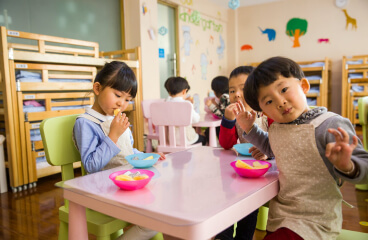
Daycare centers are more than just a place where children can stay while their parents work. They are dynamic learning environments where children develop essential life skills. From social interaction to problem-solving abilities, daycare centers offer a structured yet flexible environment that promotes overall growth and development.
Here’s how these daycare centers help children develop essential life skills that will benefit them throughout their lives.
How Preschool in Daycare Centers Helps Children Develop Important Life Skills
- Social Skills
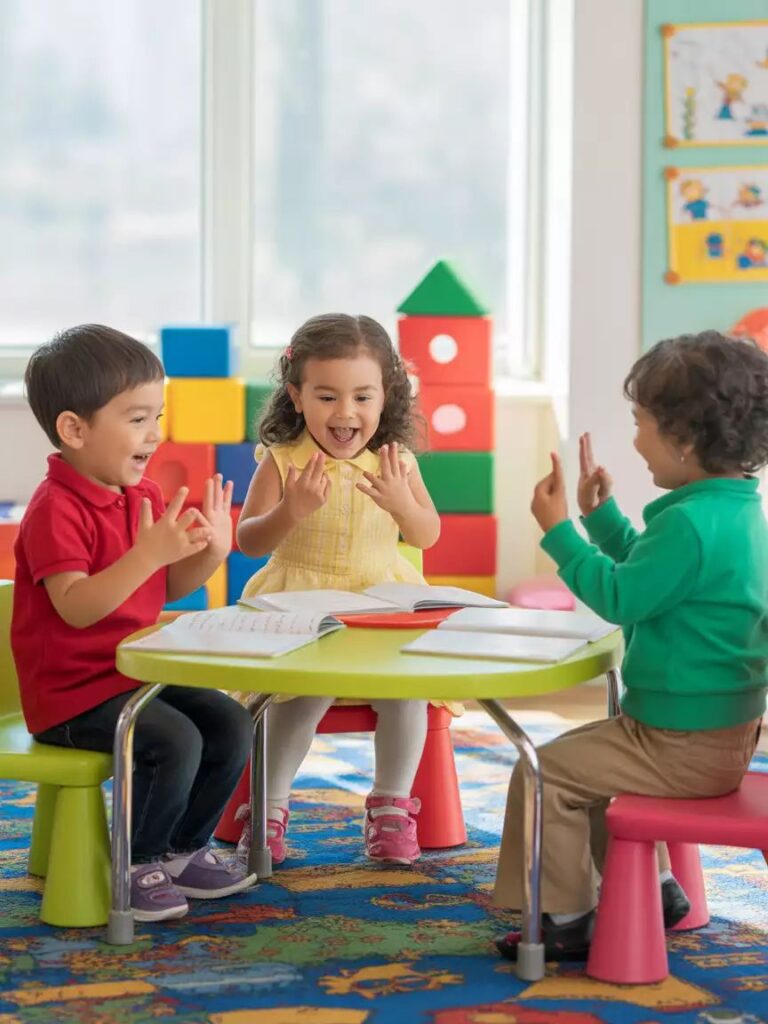
Peer Interaction: One of the key benefits of preschool is the opportunity for children to interact with their peers. Through play and structured activities, they learn to share, take turns, and collaborate. These interactions, carefully facilitated by the preschool, help children develop empathy, understanding, and the fundamental ability to build and maintain relationships.
Conflict Resolution: In the social environment of preschool, children naturally encounter situations that require negotiation and compromise. Preschool teachers help children resolve conflicts by teaching them to effectively express their feelings and find mutually acceptable solutions. This consistent practice is a central part of the social-emotional program of a quality preschool.
- Communication Skills
Language Development: Preschool is purposefully designed as a language-enriching environment. Through storytelling, singing, and ongoing conversations with teachers and peers, children expand their vocabulary and improve their understanding and expression of language. These specific activities in preschool lay the foundation for future literacy and effective communication.
Expressing Emotions: A key function of preschool is emotional education. Teachers actively encourage children to recognize and verbally express their emotions, helping them formulate their feelings and needs in a supportive environment. This ability, developed in preschool, is vital for the development of emotional intelligence and the strengthening of healthy interpersonal relationships throughout life.
- Independence and Self-Reliance
Daily Routine: A structured daily routine in preschool teaches children to manage their time and complete tasks independently. From putting on their coats to tidying up after school, children learn to take responsibility for themselves and their belongings.
Self-Care Skills: Activities such as washing hands, using utensils, and dressing foster independence and self-confidence. These self-care skills are essential for personal development and prepare children for future learning.
- Problem-Solving and Critical Thinking
Hands-on Activities: Preschoolers offer a variety of hands-on activities that encourage children to think critically and solve problems. Puzzles, building blocks, and art projects require children to make decisions, plan, and implement their ideas.
Exploratory Learning: Through exploratory play, children learn to ask questions, test hypotheses, and draw conclusions. This type of learning fosters curiosity and a love of discovery, key components of critical thinking.
- Fine and Gross Motor Skills
Physical Activity: Regular physical activity, both indoors and outdoors, helps children develop gross motor skills. Running, jumping, climbing, and playing sports improve coordination, balance, and physical strength.
Fine Motor Skills: Fine motor skills are developed through activities such as drawing, cutting, and manipulating small objects. These activities improve hand-eye coordination and dexterity, which are important for writing and other tasks that require precision.
- Creativity and Imagination
Creative Play: Preschools offer ample opportunities for creative play, including visual arts and crafts, music, and drama. These activities allow children to express themselves, explore new ideas, and develop their imagination.
Encouraging Innovation: By providing a variety of open-ended materials and activities, preschools encourage children to think creatively and explore different ways to complete tasks. This fosters innovation and the ability to think outside the box.
- Emotional Regulation
Understanding Emotions: Preschools help children understand and manage their emotions through activities and discussions focused on feelings. Learning to recognize and name emotions is the first step in regulating them.
Coping Strategies: Educators teach children strategies for coping with frustration, anger, and hurt feelings. Techniques such as deep breathing, taking breaks, and talking about their feelings help children manage their emotions effectively.
- Respect and Empathy
Diverse Environment: Interacting with diverse groups of children fosters respect and empathy. By interacting with peers from different backgrounds, children learn to appreciate diversity and broaden their understanding of the world.
Modeling Behavior: Caregivers model respectful and sensitive behavior, setting a positive example for children. Observing and imitating this behavior helps children learn to treat others with kindness and respect.
- Teamwork and Collaboration
Group Activities: Many preschool activities require teamwork and collaboration. Whether working on a group project or playing a cooperative game, children learn to collaborate, listen to others, and contribute to a common goal.
Leadership Skills: Opportunities to take on leadership roles in group activities help children develop self-confidence and leadership skills. Leading a group or project fosters responsibility and decision-making skills.
Preschools play a vital role in developing a wide range of important life skills in children. By creating a supportive and stimulating environment, these centers promote the development of social skills, communication, problem-solving, and emotional regulation.
Experiences and lessons learned in preschools lay a solid foundation for future success both in school and in life. During the early years, with the support and guidance of experienced educators, children acquire the skills and confidence needed to thrive in all areas of life.
How Daycare Centers Build Communication Skills and Teamwork
Kindergartens develop communication skills by immersing children in a rich language environment. Through constant interaction with teachers and peers while reading stories, singing songs, and completing daily activities, children expand their vocabulary and master the basics of communication—how to listen, express their needs, and ask questions.
Daycare Centers foster teamwork by providing their first structured peer community. Guided activities such as block building, group games, and shared cleanup teach children to collaborate, take turns, share materials, and work toward a common goal. This lays the foundation for future collaboration.